
Spongy grass and puddles after light rain often signal severe soil compaction. When your dirt is too tight, air and food cannot reach the roots to feed your turf. You need a way to let your yard breathe again.
Ready to help your lawn breathe and thrive? Call (561) 245-0015 to get a FREE instant quote and schedule your professional lawn aeration service today.
An expert lawn aeration service fixes tight soil by making paths for air, water, and food to reach the root zone. This process breaks up the thick layer of dirt and thatch that stops food from feeding your grass. Common signs that your yard needs help include heavy foot traffic, water runoff, or thin patches that struggle to grow. Experts at Iowa State University say this work relieves soil pressure and stops thatch from building up too fast. By pulling small plugs of soil or using liquid tools, you can improve drainage and help your roots grow deep. This service is a key step for any homeowner who wants a thick, green lawn.
Many homeowners see their lawn struggle but do not know how to fix the source of the problem. Understanding What is Lawn Aeration and Why Does Your Yard Need It? is the first step toward a better yard. To see how these tools help your soil, here is how.
What is Lawn Aeration and Why Does Your Yard Need It?
Lawn aeration is a key part of keeping your grass green and healthy. Over time, the soil under your lawn can become hard and packed down. This is called soil compaction. When the ground is too tight, air, water, and food cannot reach the roots of your grass. An expert lawn aeration service fixes this by opening up the soil so your yard can breathe again.
How the process works
Most experts use a method called core aeration to treat your yard. This process uses a machine to pull small plugs of soil and grass out of the ground. These plugs are usually about half an inch wide and two to four inches deep. By removing these cores, the machine creates space for the soil to spread out. This helps the roots grow deeper and stronger into the earth.
You might see the small plugs of soil sitting on top of your grass after the service. These cores break down over a few weeks and return nutrients to the lawn. It may look messy for a short time, but the results are worth it. The new holes in the ground act like small paths that lead right to the heart of your grass plants.
Why your yard needs to breathe
Healthy soil needs plenty of room for oxygen and moisture. When you walk on your lawn or kids play on the grass, the weight packs the soil down. Heavy rain or big mowers can also cause this problem. Compacted soil blocks the flow of water and stops roots from getting the food they need. Experts at Iowa State University say that aeration improves water movement. It also stops dead grass, called thatch, from building up.
If you do not aerate, your grass may develop shallow roots. This makes the lawn weak and more likely to wilt when the weather gets hot and dry. A yard with deep roots can handle heat and drought much better than a packed lawn. Regular care ensures your grass stays thick and can fight off weeds or pests on its own.
Choosing the right care for your lawn
Not every yard is the same, and some types of grass need special care. Some yards may benefit more from liquid treatments, while others need tools to pull plugs. You can learn about different lawn aeration methods to see which one fits your soil type. Making the right choice helps your lawn grow strong and stay green all year long.
Aeration also makes your fertilizer work better. When the soil is open, the nutrients in the food can sink deep into the ground. Instead of washing away on the surface, the food goes right where the grass can use it. This leads to a thicker lawn that looks great and feels soft under your feet.
Core Aeration vs. Liquid Aeration: Differentiating the Methods
Many homeowners choose core aeration to fix hard soil. This method uses a machine to pull small plugs of dirt from your yard. These plugs are mostly about two to four inches deep and half an inch wide. By removing these cores, the machine creates space for air, water, and food to reach the roots.
Packed soil can stop your grass from growing well. When the ground is too tight, roots cannot push through. They stay near the surface where they can dry out fast. It is a vital step for any lawn aeration service plan. Both the core and liquid ways have their own perks for your yard.
Mechanical Core Aeration
This physical process works well for lawns with heavy clay or high traffic. It helps roots grow deeper and stronger. If you have cool-season grass, the best time for this service is mostly in the fall. The open holes stay in the ground for a few weeks. Then they break down and return nutrients to the soil.
Core aeration is a classic choice for lawn care. It is a great way to handle the most packed soil. But it does leave small plugs of dirt on your lawn for a while. You must also be careful with items like dog fences or sprinkler lines in the yard.
Pulling plugs is the best way to get air deep into the dirt fast. It lets seeds and food drop right into the root zone. This is why many pros link core aeration with seeding. It gives new grass a safe place to start growing. It also helps the new grass grow by giving seeds good soil contact.
Advanced Liquid Aeration
Liquid aeration is a newer way to help your lawn breathe. Instead of pulling plugs, a pro sprays a special mix over the grass. This liquid goes deep into the soil to create tiny pores. It covers every inch of the yard, which gives you more spread than a machine. It is a simple way to boost your lawn health without the mess.
One big plus is that liquid aeration does not leave dirt plugs on your grass. It also works around underground wires or pipes that a machine might hit. This method often costs less than the core method too. It is a good pick for yards that just need a boost each year.
The spray works by breaking down the bonds in the soil. This helps the yard hold onto water during hot summer days. It also helps helpful bugs and worms move through the soil. These small life forms help keep the lawn green and thick from the bottom up.
Choosing the Right Method
Many experts say you should swap between these two ways. You might use core aeration one year and liquid the next. This plan gives you the benefits of both tools. Using both can help stop soil compaction for the long term.
When you think about different lawn aeration methods, look at your soil. Hard, packed dirt often needs the physical pull of a core machine. Lawns that just need a boost can do well with a liquid spray. A pro can help you find the best path for your yard.

| Feature | Core Aeration | Liquid Aeration |
|---|---|---|
| How it Works | Pulls 2-4 inch soil plugs | Sprays a soil-loosening mix |
| Spread | Spot-based (where plugs pulled) | 100% of the lawn surface |
| Cleanup | Leaves dirt plugs on the lawn | No mess or debris left behind |
| Best Use | Heavily packed or clay soil | Maintenance and light compaction |
| Yard Safety | May hit buried lines or wires | Safe for all underground items |
When is the Best Time for a Lawn Aeration Service?
Timing your lawn aeration service is key to getting the best results for your grass. You should aerate when your grass is growing fast. This helps the lawn heal and fill the small holes left by the machine. The optimal timing for lawn aeration depends on the type of grass in your yard.
Timing for northern lawns
If you live in the Midwest, you likely have cool-season grass like tall fescue. These lawns grow best when the air is cool and the soil is moist. For these yards, the best time for a lawn aeration service is in the Fall. Cool Fall air helps the roots grow deep without the stress of summer heat.
Aerating in late August through October lets your lawn take in more water and air before winter. This is also a great time to add seed. Getting fresh seed into the soil holes helps grow a thick lawn for next year. You can learn more about the benefits of aeration and overseeding to see why this works so well.
Timing for southern lawns
Southern lawns often use warm-season grasses like Bermuda or Zoysia. These types of grass love the heat and grow most during late spring and summer. You should book your aeration service when these grasses are fully awake. This usually happens between May and July after the last frost is gone.
Aerating southern lawns during their peak growth helps them stay strong in the hot sun. It makes sure food reaches the roots when the plant needs it most. Since these grasses spread fast, they will cover the holes in just a few weeks. This leaves you with a lush, green lawn that can handle heavy use and dry spells.
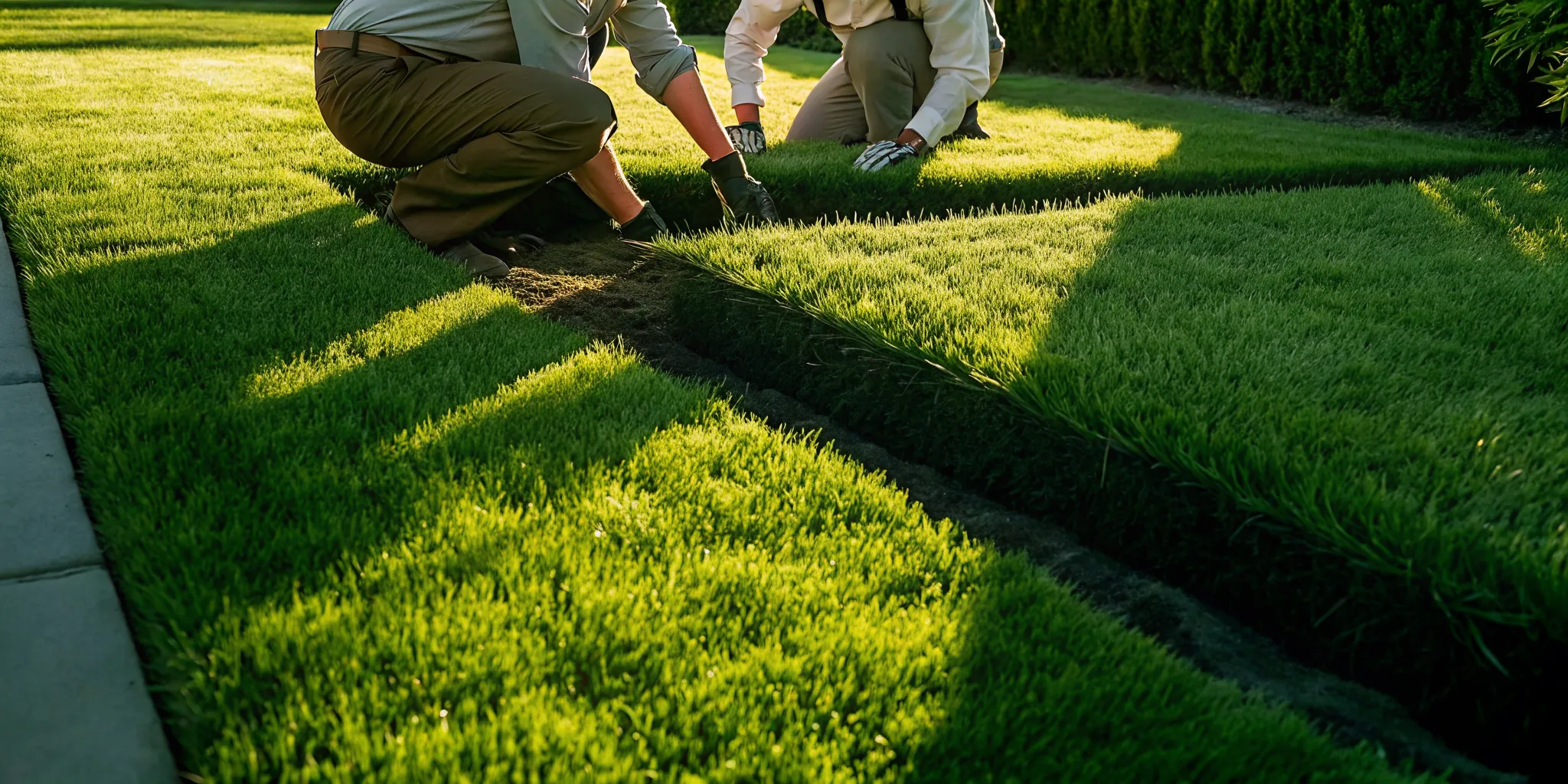
Why grass type matters
Picking the wrong time to aerate can hurt your lawn. For example, aerating a cool-season lawn in the summer heat might lead to weeds or dry roots. Turfgrass on packed soil often develops shallow root systems that make the grass wilt fast. By aerating at the right time, you give the roots the air and space they need to grow.
Most pros say that a fall service is best for northern lawns because it fits with natural growth. According to ExperiGreen, the best timing for core aeration in northern lawns is Fall. This lets the grass build up strength for the cold months. No matter where you live, matching the service to your grass type is the way to get a healthy yard.
How to Identify if Your Yard Needs Professional Aeration
Soil compaction is a common issue for many people. When dirt becomes too tight, air and water cannot reach the grass roots. This often leads to thin turf and brown spots. A lawn aeration service can help solve these problems by loosening the ground.
Common Symptoms of Soil Compaction
One sign of a yard in need is standing water. If rain pools on the surface instead of soaking in, your soil might be too dense. This can also cause water to run off, which leads to soil erosion. You may notice that your grass looks worn or wilts easily during dry weeks. These are signs of shallow root systems caused by tight earth (Clemson University).
Thatch buildup is another major warning sign. Thatch is a layer of dead grass and roots between the soil and the green blades. Some thatch is normal, but too much can block nutrients. Compacted ground makes it harder for bugs and worms to break down this layer. Learning about different lawn aeration methods can help you choose the right fix.
A Simple Screwdriver Check
You do not need fancy tools to check your lawn health. A quick test with a household item can tell you a lot about your soil. The goal is to see how much the dirt resists pressure. Follow these steps to see if your yard needs a lawn aeration service.
- Find a spot in your yard that looks thin, dry, or brown.
- Take a standard flat-head screwdriver from your tool kit.
- Try to push the metal tip into the ground using only your hand.
- Notice how much force you need to sink the tool into the earth.
- If the ground is too hard to push the tool in easily, the soil is compacted.
- Check areas with heavy foot traffic, as these spots often need the most help.
Seasonal Timing and Soil Health
Heavy clay soil is prone to compaction. The tiny particles stick together and leave no room for air. If your yard has heavy foot traffic, the ground gets packed down even faster. This pressure squeezes the life out of your lawn over time.
The time of year also matters when checking your grass. For cool-season lawns, the optimal timing for lawn aeration is often the fall. This is when the grass is growing fast and can recover well. Core tools pull small soil plugs to let the roots breathe.
Frequently Asked Questions
How much does professional lawn aeration cost?
The cost of a lawn aeration service usually depends on the size of your yard and the method you choose. Standard core aeration often costs between $250 and $300 or more for most home lawns. If you select liquid aeration, the price is often lower, ranging from $175 to $200. These expert services help save you time and ensure the work is done right.
Can I switch between core and liquid aeration every year?
Yes, you can switch between these two methods. In fact, switching between core aeration and liquid aeration each year is a great plan for a healthy lawn. Core aeration pulls soil plugs to create space, while liquid aeration covers the whole yard to break up soil at a deep level. Using both ways over time ensures your grass gets the full benefit of each tool.
How deep do the plugs go during core aeration?
Expert core machines are made to pull soil plugs that are about 1/2 to 3/4 inch wide. The University of Maryland Extension says these plugs should reach a depth of 2 to 4 inches. Removing these deep cores creates a path for air, water, and food to reach the roots. This process helps your grass grow thick and survive dry weather.
What causes the soil in my lawn to get compacted?
Soil compaction is often caused by weight and pressure on the top of your grass. Common causes include frequent foot traffic, pets running in the same areas, and the use of heavy mowers. Experts at Clemson University note that this pressure squeezes the soil and blocks air from reaching the roots. Over time, this leads to weak growth and poor drainage.
Are you ready to book your lawn aeration service today?
Ignoring hard soil now will lead to thin grass that fails to get the water it needs to stay green through the hot summer. Setting up a lawn aeration service today gives your yard the time it needs to heal and grow deep roots. This small step saves you from the high cost of fixing dead spots when you schedule the right care to help your turf grow.
Ready to help your grass thrive? Call (561) 245-0015 to get a FREE instant quote and schedule your lawn care visit today. Our experts are ready to help you reach your goals for a thick and green yard that lasts for a very long time.
Our Professional Lawn Aeration Service Areas
ExperiGreen serves homeowners in Chicago, Charlotte, Canton/Akron, Cincinnati, Columbus, Detroit, Indianapolis, South Bend, and more. Book your appointment in one of our service locations:
- Chicago, IL: Lawn Care in Chicago, IL
- Charlotte, NC: Lawn Care in Charlotte, NC
- Canton/Akron, OH: Lawn Care in Canton/Akron, OH
- Cincinnati, OH: Lawn Care in Cincinnati, OH
- Columbus, OH: Lawn Care in Columbus, OH
- Detroit, MI: Lawn Care in Detroit, MI
- Indianapolis, IN: Lawn Care in Indianapolis, IN
- South Bend, IN: Lawn Care in South Bend, IN