
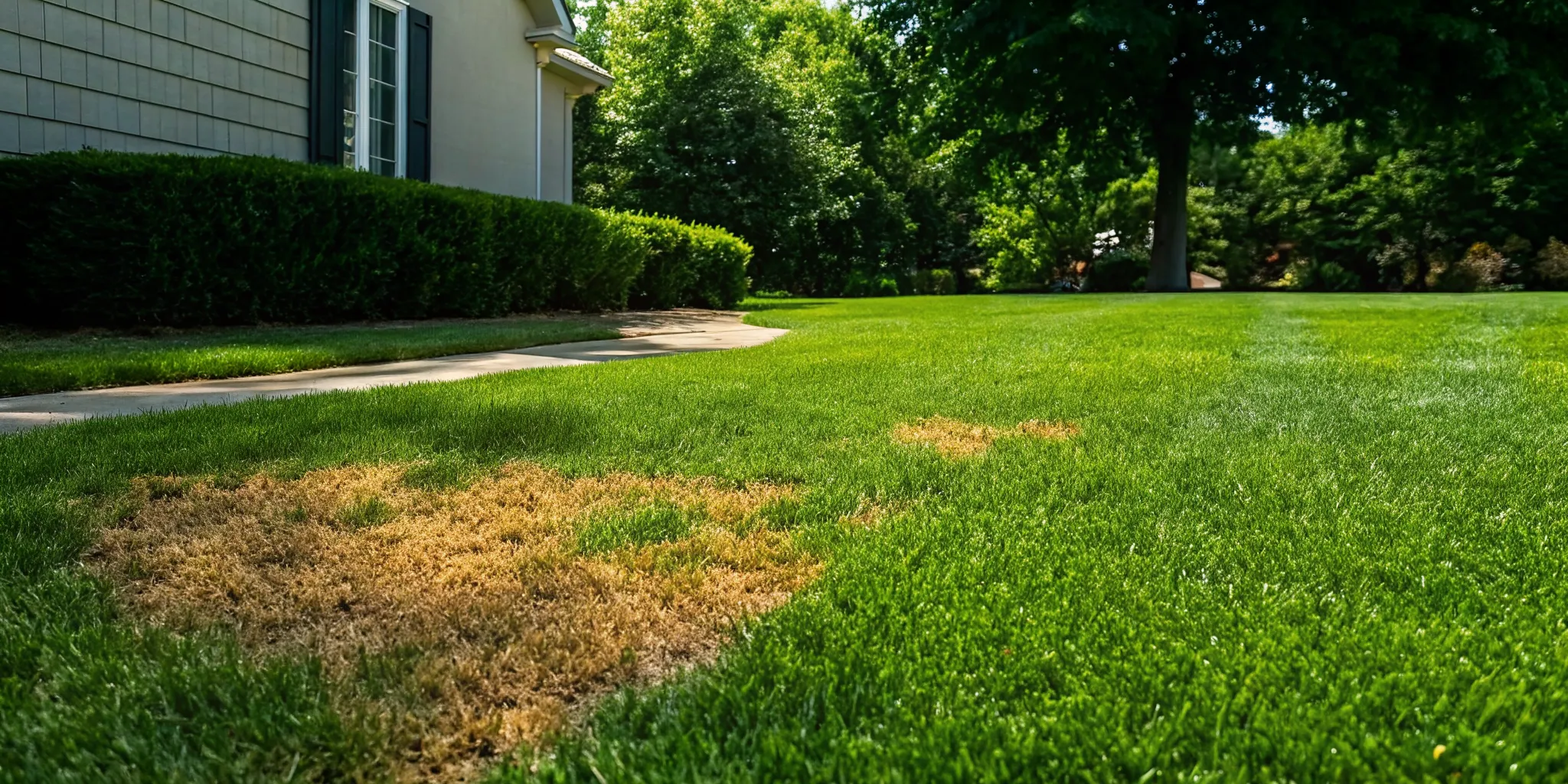
Brown patches in your Charlotte lawn during July are rarely just a sign of heat stress. These spots often hide pests that ruin grass in just a few days. You must act fast to stop these invaders.
Get a FREE Quote for professional summer lawn insect control in Charlotte and protect your turf before the damage spreads.
Summer lawn insect control in Charlotte focuses on finding and treating hungry pests like armyworms, chinch bugs, and fire ants. Good lawn care begins with regular checking to spot signs of damage such as thinning grass or brown spots. Pests like Southern chinch bugs are very active in hot weather and often damage St. Augustine grass, according to research from UF/IFAS. Homeowners should also watch for armyworms, which feed during the day and can destroy a lawn in just a few days. A strong plan uses prevention treatments with proper mowing and watering to keep the grass tough. Using expert services protects your yard and ensures your Charlotte lawn stays healthy and green throughout the peak summer heat.
Knowing how to spot these pests is only half the battle for local homeowners. You’ll also need to understand the factors that turn your yard into a home for these bugs. Learning Why Summer Lawn Insects Thrive in Charlotte is the next step. The path begins with
Why Do Summer Lawn Insects Thrive in Charlotte?
The summer heat in Charlotte, NC, brings more than just pool days and backyard grills. It also marks the peak time for pests that can ruin your grass. When temperatures stay between 70 and 90 degrees and humidity rises, local lawns face a high risk. These conditions create a great home for insects to grow and spread across your yard.
Charlotte’s climate and bug activity
Heat and moisture are the main reasons for pest growth in North Carolina. Many common lawn bugs thrive when the soil is warm and the air is thick with humidity. These things speed up their life cycles. This means they can hatch and eat more quickly. In Charlotte, the mix of hot sun and rain gives these pests what they need to stay active for months.
High humidity also makes it harder for your grass to heal from stress. While your lawn stays warm in the heat, insects find it easy to hide in the damp thatch. This often leads to fast damage that can take people by surprise. Based on research from the University of Florida, chinch bugs are most active in hot, dry weather and often damage St. Augustine grass.
Common summer pests in local lawns
Some specific insects target lawns in our area during the warm months. Chinch bugs, armyworms, and fire ants are the most frequent guests in Charlotte yards. St. Augustine and fescue grass types are at high risk from these bugs. Each of these pests uses the summer weather to its gain. They often attack the best parts of your lawn first.
Armyworms can be a big threat because of how fast they move. They often appear in large groups and eat through large spots of grass in just a few days. Fire ants also thrive in the warm soil. They build mounds that hurt the roots and make it hard for the grass to grow. For those who need lawn care in Charlotte NC, watching for these bugs is a key task during the summer.
Reducing insect pressure through lawn care
You cannot change the weather, but you can change how your lawn handles the heat. Good care is one of the best ways to keep bug numbers low. A thick, healthy lawn is much harder for insects to hurt. When your grass is strong, it can survive some bug activity without turning brown or dying in large spots.
Simple habits like mowing at the right height and deep watering help your yard stay strong. These steps lower the stress on the plants. They also make the area less inviting for pests. As noted in local guides, preventative treatments joined with good lawn care, like the right mowing height and watering, help cut down on insect pressure.
How Can You Spot Armyworm Damage Before It Spreads?
Fall armyworms are one of the most harmful pests for lawns in North Carolina. These pests earned their name because they move in large groups and eat everything in their path. Unlike many other lawn pests, armyworms feed during the day and can ruin a full lawn in just a few days. Acting fast is the only way to save your grass once they arrive.
Signs of an armyworm attack
You might first see brown patches in your lawn that look like a lack of water. These spots often start near the edges of your yard or next to garden beds. While heat can make grass turn brown slowly, armyworm damage spreads much faster. You may notice that the edges of grass blades look chewed or ragged. In some cases, the pests eat the grass down to the soil line in a very short time.
If you see a problem, look for the pests themselves. They are often green, brown, or black with a clear Y mark on their heads. You might also see more birds than usual on your lawn. Birds often flock to yards to eat these pests. Finding more than three armyworms in a small area is a sign that you need summer lawn insect control right away.
Why timing is key for control
Armyworms go through a few stages as they grow. They produce about three groups of larvae each year. This makes them a constant threat through the summer. Most of the harm happens late in their life. About 93 percent of their feeding occurs after they reach their fourth stage. This means your lawn might look fine one day and be gone the next if you do not find them soon.
Checking your lawn often is the best way to catch these pests before they cause big harm. It is much easier to stop the march of the army before your grass is lost. If you see signs of chewed grass or many birds in your yard, it is time to look at the soil level. Quick action helps keep your yard green and healthy all season long.
Schedule professional surface feeding insect control in Charlotte and stop armyworms and chinch bugs before they destroy your grass.
Chinch Bugs: The Hidden Threat Beneath Your Grass
Chinch bugs are small, but they cause big problems for your yard. These pests are hard to see because they hide deep in the thatch. They do not just eat your grass. They suck the sap from the base of each plant. This stops water from moving through the grass. In the hot Charlotte summer, this can kill parts of your lawn in a short time. You might think the grass is just dry, but the bugs are the real cause.
Most damage from chinch bugs happens during hot and dry weather. They thrive when the sun is strong and the ground is thirsty. In North Carolina, you will see the most damage in July and August. If you have St. Augustine grass, you must be extra careful. These bugs love that type of turf more than any other. But they also attack Zoysia and Bermuda grass if they get the chance.
The life cycle of a chinch bug
To stop these pests, you should know how they grow. Adult bugs lay eggs in the thatch during late spring. One female can lay many eggs over a few weeks. These eggs stay in the soil and hatch in about two to four weeks. The young bugs, called nymphs, start feeding right away. They look like tiny red dots at first, but they grow fast. They soon turn black with a white band across their backs.
These bugs are most active when the air stays above 70 degrees. In a warm place like Charlotte, they can produce more than one group of young each year. This means the number of bugs in your yard can grow fast. If you do not find them early, a small group can turn into a full swarm. By the time you see brown spots, the bugs may have already moved to a new part of your yard.
How to spot the damage
Chinch bug damage often looks like your lawn needs more water. You might see yellow or brown spots in the sunniest parts of your yard. These spots usually start near paths or drives where the ground is hottest. Unlike a dry lawn, these spots will not turn green after a heavy rain. The grass will stay brown and may even feel like straw when you touch it. This is a clear sign that you need to check for pests.
You can check for these bugs by looking at the edges of the brown spots. Pull back the grass and look for small black and white bugs. They are about the size of a grain of rice. You might also see the red nymphs. If you find more than a few bugs in a small area, it is time for lawn care in Charlotte NC to help. Catching them now can save the rest of your grass from dying.
Are Fire Ants a Danger to Your Charlotte Lawn?
Fire ants are a common sight in Charlotte during the summer. These pests came to the United States from South America in the 1930s. Since then, they have spread across the South. While some native ants help your yard, fire ants are mostly a nuisance. They can hurt your grass and pose a risk to your family. Using lawn care in Charlotte NC helps keep these pests away from your home.
How to find fire ant mounds
Fire ants build large mounds in open, sunny areas. You will often see these mounds after it rains. Unlike other ants, fire ants do not have a single hole in the top of their mound. They enter and leave through tunnels under the ground. If you disturb a mound, the ants will swarm out and attack. Per NC State Extension, these ants can be both helpful predators and pests. They eat other bugs, but their stings are a major safety concern.
Why fire ants are a safety risk
Fire ants are very aggressive. They do not just bite; they sting and inject venom. For most people, a sting causes a red bump that turns into a white blister. For some, it can lead to a bad allergic reaction. Kids and pets are at the highest risk since they play on the grass. These ants can also hurt your lawn. Their tunneling can disrupt plant growth and ruin the look of your yard. Proper summer lawn insect control is key to keeping your yard safe.
When to call for expert help
It is hard to get rid of fire ants on your own. Many home fixes only make the ants move to a new spot in your yard. Expert help is often the best way to clear a large area. Pros use bait and spot treatments that kill the queen. This stops the colony from growing. You should look for help as soon as you see mounds or get stung. Early action keeps the ants from taking over your whole lawn.
Simple Tests to Diagnose Lawn Insects at Home
You must find the exact pest before you try to fix your lawn. Correct insect identification is the most vital step in keeping your grass healthy. It helps you decide if you really need to use a spray or if the bugs are just passing through. You’ll save money and time when you know what is hiding in your soil.
Check the Grass Interface
Most lawn pests live where the green grass meets the soil. This is the thatch layer. You can find bugs like chinch bugs or armyworms by pulling back the grass blades in a brown patch. Look for tiny, moving dots or worms. If you see bugs, try to count how many you find in one small area.
The Soap Flush Test
A soap flush is a fast way to bring bugs to the surface. It works well for armyworms and other pests that hide deep in the thatch. You can do this with simple items from your kitchen. It is a safe and cheap way to check for signs of grubs in your lawn and other pests. Monitoring your lawn through the year helps you time your pest control well.
- Find a brown patch. Choose a spot on the edge of the damage where the grass is still green.
- Mix your soap tool. Put three tablespoons of liquid dish soap into one gallon of water.
- Pour the mix. Drench a four-square-foot area with the soapy water.
- Wait for bugs. Watch the area for five to ten minutes to see what crawls out.
- Count the pests. If you see more than three armyworms in one square foot, you may need to treat the lawn.
Inspect Brown Patches
Brown spots in the lawn are not always from dry weather. Look at the edges of the patch. If the grass looks chewed or has tiny yellow spots, insects are likely feeding there. Check if the grass pulls up easily. This often means root damage from grubs. These simple checks help you stay ahead of pests before they spread.
Professional Summer Lawn Insect Control vs. DIY Treatment
Choosing how to handle summer pests is a big choice for your yard. You might want to buy a bag of bug spray at the store and do it yourself. But taking care of a lawn in the heat of summer can be hard. Most people find that expert help saves time and keeps the grass green. Pros know which bugs live in your area and how to stop them fast. They have the right tools to find pests before they kill your grass.
The value of expert eyes
You need to know what kind of bug is eating your grass before you spray. Expert teams use a smart way to find and stop pests. This means they check your lawn to see if there are enough bugs to cause real harm. Pros only use chemical pest control when the number of bugs goes over a set limit. This keeps your yard safe and stops you from using more spray than you need. Using the right amount at the right time is the best way to keep a yard healthy.
Finding the right bug is the first step to a good lawn. A pro can tell the difference between a bad bug and a helpful one. If you spray for everything, you might kill the insects that help your lawn stay strong. Pros check your grass all summer to make sure they catch problems early. They look for dry spots and find the cause before the grass turns brown. This careful work stops small issues from becoming big ones that cost a lot to fix.
| Service Feature | Professional Control | DIY Treatment |
|---|---|---|
| Expert Skill | Pros who know local bugs and grass types. | Homeowners must guess about bug types. |
| Right Sprays | Tools that work on the exact pest you have. | Broad sprays that may not work well. |
| When to Spray | Done at the best time to kill the bugs. | Often done too late to save the grass. |
| Grub Promise | Guaranteed work with a promise to fix damage. | No help if the bugs come back or stay. |
| Keeping Good Bugs Safe | Focuses on saving helpful insects in the yard. | May kill good bugs like bees and spiders. |
| Checking the Grass | Ongoing checks throughout the hot months. | You must check for bugs every single day. |
Protecting your lawn’s good bugs
Many bugs in your yard are actually good for the grass. Some eat the pests that cause harm, while others help plants grow. If you use the wrong spray, you might kill these helpful friends. Pros know how to target only the bad bugs. This keeps your yard’s small world in balance. DIY methods often use harsh sprays that kill every bug they touch. This can leave your lawn weak and open to more pests later in the year.
Expert care helps you avoid these risks. Pros use tools that stick to the grass or soil where the bad bugs live. This means the good bugs can keep doing their jobs. Protecting the life in your soil is just as important as killing the pests. Many insects in turf help break down old grass. They turn it into food that helps the lawn grow thick. When you work with pros, you get a lawn that is safe for your family and pets.
Better results with prevention
You can do a lot to help your lawn stay strong on your own too. Proper mowing and watering are great preventative treatments that make it harder for bugs to live. When your lawn is healthy, it can fight off a few pests without any help. Keeping the grass at the right height helps shade the dirt and keeps it cool. This makes your yard a bad place for many summer pests to hide.
Working with experts gives you the best results. You get the right help when you need it and tips on how to keep the grass thick. Pros also know how to handle surface feeding insect control without hurting the roots. This full approach ensures your yard stays green and bug-free all summer long. Expert care combined with your good habits is the best way to get a perfect lawn.
When to Apply Summer Lawn Insect Control Products
Timing your summer lawn insect control is key for a healthy yard. In Charlotte, don’t just spray at the first sight of a bug. Many insects are helpful to your lawn. They act as pollinators or eat other pests that cause harm. You should only use control products when pest numbers get too high or you see real damage. Applying these tools at the wrong time can waste money. It can also hurt the helpful bugs that keep your soil rich.
Check the heat and air moisture
The best time to start looking for pests is in late spring. You should begin checking when heat levels stay at 70 degrees for several days. Most lawn pests grow fast when it is between 70 and 90 degrees. They also like it when the air is very damp. These states help bugs grow and lay eggs. By watching the weather, you can guess when surface feeding insect control pests might show up. Research shows that checking your grass all through the year helps you choose the best day for a treat.
Match your plan with bug life cycles
You must time your work to hit bugs when they are weak. Chinch bugs often hatch in early summer when it is dry. If you wait too long, they will suck the sap from your grass and leave brown spots. Armyworms are different because they peak in late summer. They go through three cycles each year. Most of their feeding happens right before they become adults. Fire ants also build big mounds when the weather gets hot in Charlotte. Grubs start as beetle eggs in late spring and hatch into small worms that eat roots all summer. Knowing how lawn pest control works depends on these cycles. Don’t miss the small window to act.
Use the right tools for the job
Homeowners in Charlotte often choose between two ways to stop bugs. One way is to act before the bugs hatch. You should put down grub control in late spring before the eggs turn into worms. The other way is to fix a big problem that already exists. You will need this if you find more than three armyworms in a small patch of grass. Mixing these tools with expert lawn pest control services keeps your lawn safe. Always check your grass often to make sure your timing is right for the bugs in your yard.
ExperiGreen serves homeowners in Chicago, Charlotte, Canton/Akron, Cincinnati, Columbus, Detroit, Indianapolis, South Bend, and more.
Frequently Asked Questions
How do I know if my Charlotte lawn has armyworms?
You can find armyworms by looking for brown patches that spread fast. These pests eat grass blades during the day and can ruin a whole lawn in just a few days. To check for them, mix three tablespoons of dish soap in a gallon of water and pour it over a small area. According to N.C. State Extension, this flush test will force the pests to the surface so you can see them.
Are all insects in my grass bad for the lawn?
No, you do not need to kill every bug you see. Many insects are helpful to your yard. Some help plants grow, while others eat the pests that cause real harm. It is best to only use bug spray when the number of pests gets too high or when you see clear damage. Following a plan from N.C. State helps protect these good bugs while keeping your grass safe and green.
Can I prevent summer lawn insects from coming back?
Yes, you can lower the risk of bugs by taking good care of your grass. Mow your lawn at the right height and water it on a steady schedule to keep it strong. Strong grass can handle pest pressure much better than weak turf. You may also want to use preventative insect control in Charlotte to stop pests before they start. These steps help keep your lawn healthy all through the hot summer months.
How do I get rid of fire ants in Charlotte?
Fire ants can be hard to kill because they build deep mounds. You often need to treat the whole yard to stop them from coming back. While some ants are helpful, fire ants are a nuisance that can bite people and pets. It is best to use a bait or spray that reaches the queen to stop the mound for good. Expert lawn pest control services can help keep your yard safe from these pests.
Ready to stop summer bugs from destroying your Charlotte lawn?
Insects like armyworms and chinch bugs can kill your grass in just a few days if you don’t take action to stop them right now. Waiting too long often leads to dead brown patches that are very hard and costly to fix once the bugs have spread across your yard. If you act today, you can save your lawn and keep your grass looking green, thick, and healthy for the rest of the summer season.
Ready to save your grass? Get a FREE Quote for professional lawn insect control in Charlotte to talk to a local expert today. Our local team will help you keep your yard safe from pests for a long time.