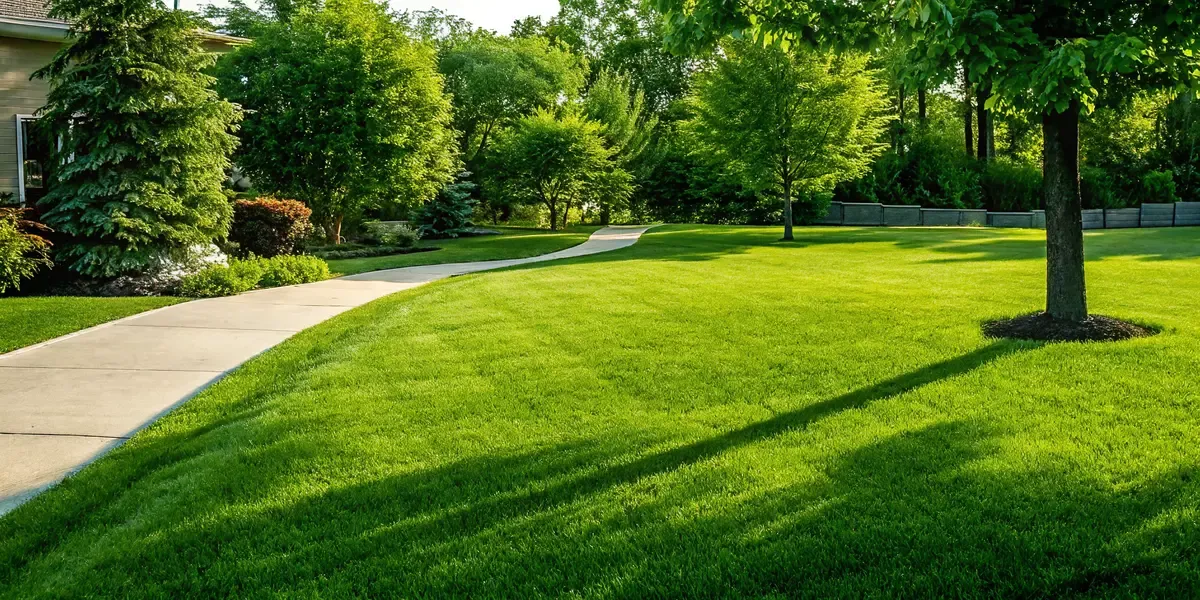
Healthy trees and shrubs can boost your property value by up to 15 percent, according to Virginia Tech Extension. Keeping these landscape assets safe in the Michiana area requires a year-round plan for seasonal pests and diseases that thrive in the Midwest climate.
Schedule your professional tree and shrub care consultation today and give your landscape the protection it deserves.
Tree and shrub care in Michiana uses deep-root fertilization and timed pest control to protect ornamentals from local weather stress and seasonal pest attacks. Spring and fall root-zone feedings deliver nutrients directly to plant roots while building strength against cold Midwest winters. Professionals apply targeted sprays to control mites and scales while monitoring for leaf diseases before they cause lasting damage. This approach helps homeowners keep their landscape healthy and protect long-term property value.
What Makes Michiana Tree and Shrub Care Different?
A lush yard does more than just look good. It is a major asset for your home. In the Michiana area, keeping trees and shrubs healthy requires a plan that accounts for tough seasonal shifts that put stress on every branch and leaf.
Managing the Michiana Climate
The weather in northern Indiana and southwest Michigan is hard on plants. Cold winters and hot, damp summers create ideal conditions for certain pests and plant diseases. Some pests emerge in late winter, while others thrive in summer heat. A seasonal tree and shrub care plan helps you stay ahead of these risks by addressing problems early instead of trying to fix damage later.
Early care is the most cost-effective way to protect your yard. Preventing a pest infestation through proper feeding is often cheaper than replacing a damaged tree. A good professional tree and shrub care program includes deep-root fertilization in spring and fall, giving plants the nutrients they need to grow strong and resist stress. It also includes regular inspections for pests and fungus when humidity rises.
Local Expertise for Regional Pressures
Trees and shrubs in South Bend need care that matches the local soil and climate. ExperiGreen branch leaders average 20 to 29 years of field experience. They know which pests target local oaks and maples and when humid conditions trigger leaf spot outbreaks. This deep local knowledge helps build care plans that work for Michiana homeowners.
While tree and shrub programs are available in our core metro areas, homeowners in South Bend can still access expert lawn care services in South Bend that support overall landscape health. Our team also serves Chicago, Detroit, Cincinnati, and Charlotte, using expertise from across the region to provide the best recommendations for your Michiana yard.
Michiana tree and shrub care requires region-specific strategies because the local climate creates unique pest and disease pressures. Deep-root fertilization and early pest monitoring form the foundation of an effective year-round plan.
What Pests Threaten Trees and Shrubs in the Midwest?
The Midwest climate, with its cold winters and humid summers, creates conditions where specific insects and mites thrive. These pests can cause significant damage before homeowners even notice a problem. Knowing which pests are most active in the Michiana area is the first step in protecting your landscape plants.
Mites and Scale Insects
Mites and scales rank among the most destructive pests for garden trees and shrubs in the Midwest. These tiny insects often hide on the undersides of leaves or along stems, making them difficult to detect. Scale insects appear as small, hard bumps on branches and do not move like other bugs. Signs of infestation include leaf stippling, which creates tiny pale dots on foliage, and a sticky residue called honeydew.
Stippling occurs when mites drain nutrients from leaf cells, causing leaves to turn pale or bronze. One of the most effective control methods is applying horticultural oils during the dormant season to kill eggs before they hatch in spring. Local South Bend tree health resources encourage homeowners to report pest issues to city experts for guidance on treatment options.
Aphids and Grubs
Aphids frequently appear in large groups on new growth, where they suck sap and cause curled leaves and stunted development. Japanese beetle grubs damage the roots of shrubs and young trees. Timed insecticide applications that match the life cycles of these pests help keep populations under control and prevent lasting plant damage.
Many homeowners also choose to set up a mosquito control program to make their outdoor spaces more enjoyable for their families. Combined pest management ensures that both plants and people stay protected from seasonal insects.
Professional Monitoring and Inspections
Catching pest problems early is critical for preventing long-term damage like branch dieback or plant death. Professional tree and shrub care includes regular inspections by trained experts who know what to look for. These checks cover mulching depth, root health, and early signs of scale or mite activity.
Timed insect and mite control sprays provide protection throughout the growing season. By identifying issues during routine inspections, professionals can apply targeted treatments that preserve plant health and keep your yard looking its best through the humid Midwest summers.
Common Midwest tree and shrub pests include mites, scales, aphids, and grubs. Early detection through professional monitoring and timed dormant-oil treatments provides the most effective control throughout the growing season.
How Can You Protect Ornamentals from Spreading Diseases?
Ornamental plants add beauty and value to your home, but they are vulnerable to diseases that can compromise their health and appearance. Early identification is essential for effective tree and shrub care. Common issues like leaf spot, powdery mildew, and blight often start small but can spread rapidly through your landscape if left untreated.
Pathogens and Weather Triggers
Most plant diseases are caused by fungi or bacteria that thrive in wet, humid conditions. Powdery mildew appears as white dust on leaves when air is damp, while other pathogens require standing water on foliage to spread. Plants in low-lying areas or crowded beds face the highest risk. Checking your yard after extended rain periods is essential for early detection.
Wind can carry fungal spores from an infected tree to a healthy one in a matter of days when conditions remain warm and wet. Symptoms include yellowing leaves, premature leaf drop, and slowed growth that weakens the tree over time.
Cultural Practices to Prevent Disease
Many plant diseases can be prevented through proper landscape management. Good airflow is critical. Space shrubs so air can circulate freely between them, helping leaves dry quickly after rain. When watering, direct water at the soil rather than the foliage. Wet leaves are the primary trigger for most fungal growth.
Mulch plays an important role in plant health. Apply a layer 2 to 4 inches deep around trees, keeping it away from the trunk to prevent rot. This barrier prevents soil-borne pathogens from splashing onto leaves during storms and helps maintain consistent soil moisture and temperature.
Comparison of Disease Control Methods
| Aspect | Preventative Care | Reactive Treatment |
|---|---|---|
| Primary Goal | Stop pathogens before they establish | Limit damage after symptoms appear |
| Optimal Timing | Early spring or before rainfall | Immediately upon symptom detection |
| Application Method | Protective sprays on foliage | Targeted pruning and fungicide application |
| Plant Outcome | Clean, green foliage throughout the season | Plant survives but may show lasting damage |
| Cost Efficiency | Lower cost over the growing season | Higher cost due to intensive treatments |
| Best Use Case | Regular seasonal maintenance visits | Active pathogen outbreaks |
Both preventative and reactive approaches play important roles in a complete disease management strategy for trees and shrubs.
Professional Inspections and Treatment Cycles
Distinguishing between a minor pest issue and a serious disease requires trained expertise. A professional tree and shrub care program includes regular inspections to detect early signs of stress. Experts establish a cycle of timed treatments to keep your landscape protected from common threats throughout the year.
These cycles pair spring and fall deep-root fertilization with disease monitoring. A well-nourished plant resists infection better than a stressed one. In high-humidity regions like Michiana, preventative care is the most effective strategy for maintaining landscape health.
Ornamental diseases spread quickly in humid Midwest conditions. Preventative practices including proper spacing, targeted mulching, and professional inspection cycles provide the best protection against common pathogens like powdery mildew and leaf spot.
The Role of Deep-Root Fertilization in Plant Health
Many homeowners assume that feeding their lawn also feeds their trees. However, trees and shrubs have root systems that extend much deeper than grass roots. Most lawn fertilizers remain in the top few inches of soil, meaning larger plants may not receive the nutrients they need. Professional tree and shrub care uses deep-root fertilization to deliver liquid nutrients directly where roots can access them.
How Root Zone Feeding Works
Deep-root fertilization involves injecting liquid nutrients into the soil at the proper depth. A trained professional uses specialized equipment to reach the root zone, typically 6 to 12 inches below the surface. This depth bypasses the thick mat of grass roots so nutrients go directly to the tree. The process follows a clear sequence:
- Landscape Assessment: A trained professional evaluates plant health, checking mulching depth and looking for girdling roots that may restrict nutrient flow.
- Nutrient Selection: A liquid fertilizer blend is chosen to match the specific needs of the plants, supporting strong stems and healthy foliage.
- Injection Process: A probe injects the nutrient blend into the soil in a grid pattern around each tree or shrub.
- Progress Tracking: The team monitors plant health over time, adjusting the nutrient plan based on changes in leaf color and growth patterns.
- Seasonal Adjustment: Nutrient ratios shift between spring and fall applications to support active growth in spring and root storage before winter.
Benefits Over Surface Fertilization
Surface fertilization is convenient but inefficient. Much of the fertilizer washes away during rain or gets trapped by turfgrass roots before reaching deeper soil layers. Deep-root fertilization keeps nutrients in the ground where they belong, reducing runoff and supporting healthier plant growth. It pairs well with lawn fertilization and weed control programs for comprehensive landscape care.
This method also helps relieve soil compaction. The pressure from the injection tool breaks up dense soil, improving air and water movement through the root zone. According to the University of Maryland Extension, proper soil health is critical for nutrient uptake. Deep feeding makes it easier for trees to absorb what they need.
Customized Care for Every Property
ExperiGreen uses liquid fertilizers for deep-root applications in both spring and fall. Spring feedings support new growth after winter dormancy. Fall treatments help plants store energy for the cold months ahead. This timing ensures trees have the fuel they need when demand is highest, which also strengthens their natural resistance to pests and disease.
Every property is different. ExperiGreen starts each program with a full plant health assessment that evaluates soil conditions, mulching depth, and structural issues like girdling roots. This comprehensive view allows the team to identify small problems before they become major concerns.
Deep-root fertilization delivers nutrients directly to tree and shrub root systems, bypassing competing grass roots. This method improves nutrient uptake, reduces runoff, and helps relieve soil compaction for healthier plant growth.
Building a Year-Round Tree and Shrub Care Calendar
Maintaining healthy trees and shrubs in Michiana requires more than a single spring feeding. A structured schedule ensures your plants receive the right care at the right time throughout the year. Professional tree and shrub care programs provide consistent protection that keeps landscapes thriving across all four seasons.
A Seasonal Plan for Your Landscape
Each season brings different needs for your trees and shrubs. Following a clear schedule ensures you do not miss critical care windows. Use this expanded seasonal guide to keep your landscape in top condition:
- Late Winter Dormant Care (January – March): Apply dormant horticultural oils to control overwintering mite and scale eggs before they hatch. This is also the best time for pruning most trees and shrubs. Trim before spring growth begins to help plants heal quickly and direct energy into new shoots. Finish this work before the first buds appear.
- Spring Feeding and Protection (April – May): As the ground warms, apply deep-root fertilization to give plants a strong start. Begin preventative pest treatments before insects become active. Refresh mulch to a depth of 2 to 4 inches, keeping it away from trunks. Consider core aeration and overseeding for the turf around your trees to improve overall soil health.
- Summer Monitoring and Care (June – August): High heat and humidity in the Midwest create ideal conditions for leaf spot diseases and insect activity. Inspect plants every two weeks for signs of stress. According to the Environmental Protection Agency, regular monitoring is a cornerstone of integrated pest management. Water trees deeply during dry spells to maintain root strength.
- Fall Root Feeding and Winter Prep (September – November): Apply a second round of deep-root fertilization to help plants store energy for winter. Inspect for girdling roots, overgrown mulch, or branch damage that could worsen during cold months. Proper fall preparation helps trees survive Michiana frost and emerge healthy in spring.
- Year-Round Documentation (All Seasons): Keep a log of treatments, observations, and plant changes. This record helps professionals fine-tune care plans from year to year and track the long-term health of your landscape.
Regional Resources for Michiana Homeowners
Staying informed about local plant health issues helps you make better decisions for your landscape. Michiana homeowners can reference Virginia Tech Extension guides and Michigan State University resources for region-specific guidance on managing tree health. These sources provide research-backed recommendations that complement professional care programs.
A year-round tree and shrub care calendar includes dormant treatments in late winter. Deep-root fertilization in spring and fall, biweekly summer monitoring, and detailed documentation to track long-term landscape health.
When Should You Call a Professional for Tree and Shrub Care?
While basic watering and occasional pruning can be handled by homeowners, certain symptoms indicate problems that require professional expertise. Trees and shrubs represent a significant financial and aesthetic investment. Early intervention by trained professionals often makes the difference between a thriving landscape and one that requires costly tree removal and replacement.
Warning Signs That Require Professional Attention
Homeowners should look for these indicators that professional tree and shrub care is needed:
- Branch Dieback: Upper branches or the crown losing leaves or dying back indicates systemic stress, root damage, or advanced pest infestation that requires professional diagnostics.
- Visible Pest Activity: Active colonies of mites, scales, or other destructive insects on leaves and bark require a structured treatment plan with timed applications.
- Abnormal Leaf Discoloration: Premature yellowing, browning, or spotting during the growing season often points to nutrient deficiencies, fungal infections, or bacterial issues.
- Cankers and Fungal Growth: Sunken dead areas on branches or trunks, along with mushrooms near the plant base, indicate internal decay and structural weakness that needs expert evaluation.
- Sudden Wilting or Leaf Drop: Rapid decline in a previously healthy tree or shrub may signal root disease, vascular infection, or severe pest damage requiring immediate treatment.
What Professional Inspections Cover
Professional landscape companies provide comprehensive assessments that go beyond treating visible symptoms. A thorough inspection covers mulching depth, watering practices, soil conditions, and identification of girdling roots that can slowly choke off a tree’s nutrient supply. Experienced professionals design customized treatment plans that stop pest and disease spread before it causes permanent damage.
ExperiGreen, founded in 2016 and ranked number 50 in the 2025 Lawn and Landscape Top 100, employs local branch leaders with 20 to 29 years of experience. This regional expertise ensures that ornamental plants receive care tailored to Michiana growing conditions.
Service Area and Availability
Professional tree and shrub care availability varies by region. ExperiGreen provides its multi-application program within Chicago, Cincinnati, Detroit, and Charlotte service areas. Where homeowners can access the full seasonal treatment cycle including insect control, disease management, and deep-root fertilization.
For South Bend and Michiana homeowners, while specialized ornamental programs may not be locally active, our team can still help you maintain a healthy property. Inquire about comprehensive lawn care services in South Bend, which include customized fertilization, weed control, and proactive turf management to keep your entire landscape healthy.
ExperiGreen serves homeowners in Chicago, Charlotte, Canton/Akron, Cincinnati, Columbus, Detroit, Indianapolis, South Bend, and more.
Chicago | Charlotte | Canton/Akron | Cincinnati | Columbus | Detroit | Indianapolis | South Bend
Frequently Asked Questions About Tree and Shrub Care
What is tree and shrub care?
Professional tree and shrub care is a comprehensive maintenance program designed to protect your landscape investment. It involves systematic property inspections, preventative treatments for insects and diseases, soil testing, and targeted fertilization to enhance the natural health and resilience of your ornamental plants and trees.
How often do trees and shrubs need to be treated?
A standard care schedule typically involves multiple treatments throughout the growing season. This includes spring and fall deep-root liquid fertilizations, late-winter dormant oil applications, and timed pest and disease control treatments during the active summer months to ensure continuous plant protection.
What are common signs of tree and shrub disease?
Look for spotty or discolored foliage, premature leaf drop, and stunted development. Dark cankers on bark, powdery coatings on leaves, wilting stems, and unexpected branch dieback also indicate that a pathogen or environmental stressor is affecting your landscape plants.
What is deep-root fertilization?
Deep-root fertilization is a technique where a liquid nutrient blend is injected directly into the subsoil root zone under pressure. By placing nutrients 6 to 12 inches below the surface, this process bypasses competing turfgrass roots and delivers essential elements directly to the root systems of trees and shrubs.
How can I protect my trees from mites and scales?
Effective mite and scale control depends on precision timing. Applying horticultural oils during the dormant winter or early spring season suffocates overwintering eggs and adult pests. This is followed by scheduled miticide or insect control treatments throughout the summer if active populations are detected.
What is the best time of year for tree pruning?
Late winter, before new spring growth begins, is the optimal time for pruning most trees and shrubs in the Midwest. Pruning during dormancy allows plants to heal quickly and direct energy into healthy new growth when the growing season starts.
Schedule your tree and shrub care consultation now and give your landscape the professional protection it needs to thrive through every season.