
A lawn that lifts up like a loose piece of carpet is often a sign of a hidden grub worm problem. These brown patches can look like drought at first, but they may mean the roots are gone.
Get a FREE Quote for help identifying lawn damage.
The grub worm is the young stage of many beetles that live in the soil and eat through the roots of your healthy lawn grass. These hidden pests cause brown, dead patches that look like simple drought, but feel very spongy and pull up from the ground easily. As noted by Texas A&M AgriLife, these white grubs are the young form of scarab beetles such as Japanese or June beetles. You must find and treat these pests early with the right tools to keep your turf grass healthy and stop the spread of root damage. This smart method helps you avoid the cost of fixing your entire yard once the insects have eaten the root system of your grass.
Many owners mistake this issue for other lawn problems like heat stress or grass disease. To protect your yard, you first need to learn about the life cycle of these pests. To help you get started, we will look at what a grub worm is, and why does it damage lawns?
What is a grub worm, and why does it damage lawns?
Defining the white grub
A grub worm is not a true worm at all. It is the young, larval stage of a scarab beetle. Many types of beetles can produce these pests. Common ones include Japanese beetles, June beetles, and chafers. These insects lay eggs in your soil during the summer months. Once those eggs hatch, the small grubs begin to look for food.
You can find these pests by digging a few inches into the dirt. They have soft, white bodies with brown heads. Most of them curl into a tight C-shape when you touch them. They also have six small legs near their heads. These grubs stay in the soil for a few months or even years. The exact time depends on the species of beetle. They will soon turn into adult beetles and fly away. But while they are in the ground, they can cause a lot of harm to your grass.
How grubs feed on lawn roots
The main problem with grubs is how they eat. These pests live just below the surface of the soil. They spend their time feeding on the roots of turfgrass. A white grub needs those roots to grow and survive. As they chew through the root system, they cut the grass off from its life source.
Healthy roots act like a straw for your lawn. They pull up water and food from the deep soil. When grubs eat these roots, the grass cannot get what it needs. This is why a lawn with grubs often looks dry. The grass may wilt or turn brown even if you water it often. The roots are simply not there to drink the water. This hidden damage makes the grub worm a major threat to any lawn.
Signs of damage below ground
It can be hard to find grubs because they stay below ground. Most people only notice a problem when the grass starts to die. You might see odd brown spots that show up in late summer or fall. These spots often grow larger over time. The grass will look thin and weak in these areas.
There is a simple way to check for this pest. If the roots are gone, the turf will lose its grip on the soil. The grass might feel soft or spongy when you walk on it. You can often peel back a patch of grass just like a piece of carpet. If the grass lifts up easily, look for the white, C-shaped grubs in the dirt. You may also see birds or skunks digging in your yard. The way they dig is a big clue that you have a grub problem. You can get a FREE Instant Quote if you need help with these pests.
What does grub worm damage look like?
Grub worm damage usually appears as irregular yellow or brown turf that stays dry-looking after watering, feels spongy underfoot, and lifts easily because larvae have eaten the roots.
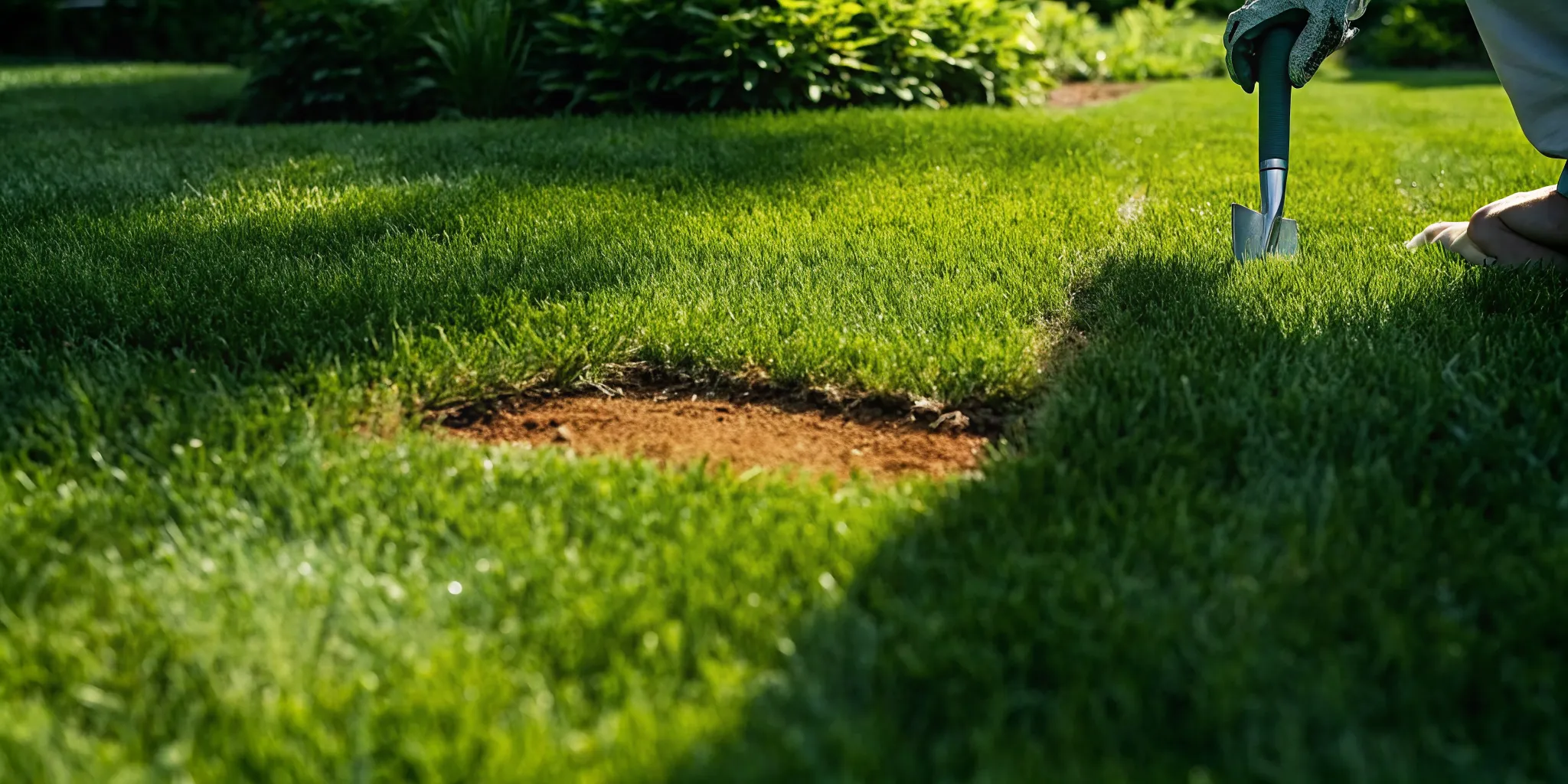
Grub worm damage often starts as small, pale spots on your lawn. These spots can look like drought at first, but they will not turn green after you water them. Because these pests eat the roots, the grass cannot get the food or water it needs. As the pests eat more, the damage spreads into large, brown patches. You might notice these patches in late summer or early fall when the bugs are most active.
Early visual changes in your lawn
You may first notice your grass looks thin or yellow. This change can happen in odd shapes across your yard. If the weather is hot, the turf might wilt fast. Since white grubs stay under the soil, you will not see them on the blades. Instead, you see the grass slowly die from the ground up. The damage often looks like odd thinning that gets worse over a few weeks. It can be hard to tell this apart from drought at first.
These patches often do not have clear edges. They might blend into healthy grass or grow into big circles. If you try to water these areas, the grass stays dry and brown. This is a key clue that the problem is not just a lack of rain. Drought-hit grass will often perk up after a good soaking. Grub-hit grass stays limp because it has no roots to take in the water. If you see these brown spots while the rest of the lawn is green, you may have a grub worm problem. Checking the lawn early can help save your turf from more harm.
How the turf feels and lifts
Healthy grass feels firm and strong when you walk on it. If you have a grub problem, the turf may feel soft or spongy under your feet. This happens because the roots that hold the soil in place are gone. Without roots, the grass loses its grip on the earth. Walking on a grub-hit lawn can feel like walking on a thick rug that has come loose from the floor.
In bad cases, you can lift the turf right off the ground. It may even roll up like a piece of carpet. This is a sure sign that the roots are badly hurt. If the lawn is thin but still firmly rooted, the issue might be something else like a fungus or other bug. An expert lawn pest control service can help you find the true cause. They can look at the soil and tell if you need to treat for grubs. Finding the pests early is the best way to stop the damage from spreading.
Secondary signs and animal digging
You might see birds, skunks, or raccoons digging in your yard at night or early in the morning. These animals like to eat grubs as a tasty snack. While they can help eat some of the pests, their digging can hurt your lawn even more. You might see small holes or large chunks of grass turned over in your yard. This can be hard for people who work on their grass.
Animal digging is a helpful clue, but it is not proof of a grub worm issue. These animals also look for other bugs like earthworms or beetles in the dirt. If you see digging plus brown patches, you should check the soil for grubs. It is best to know for sure before you start any treatment. To stay safe and get help fast, you can get a free instant quote for an expert lawn check.
How do you check a lawn for grub worms?
Check for grub worms by cutting and lifting a small section of turf at the edge of a damaged patch, then inspecting the top few inches of soil for white, C-shaped larvae.
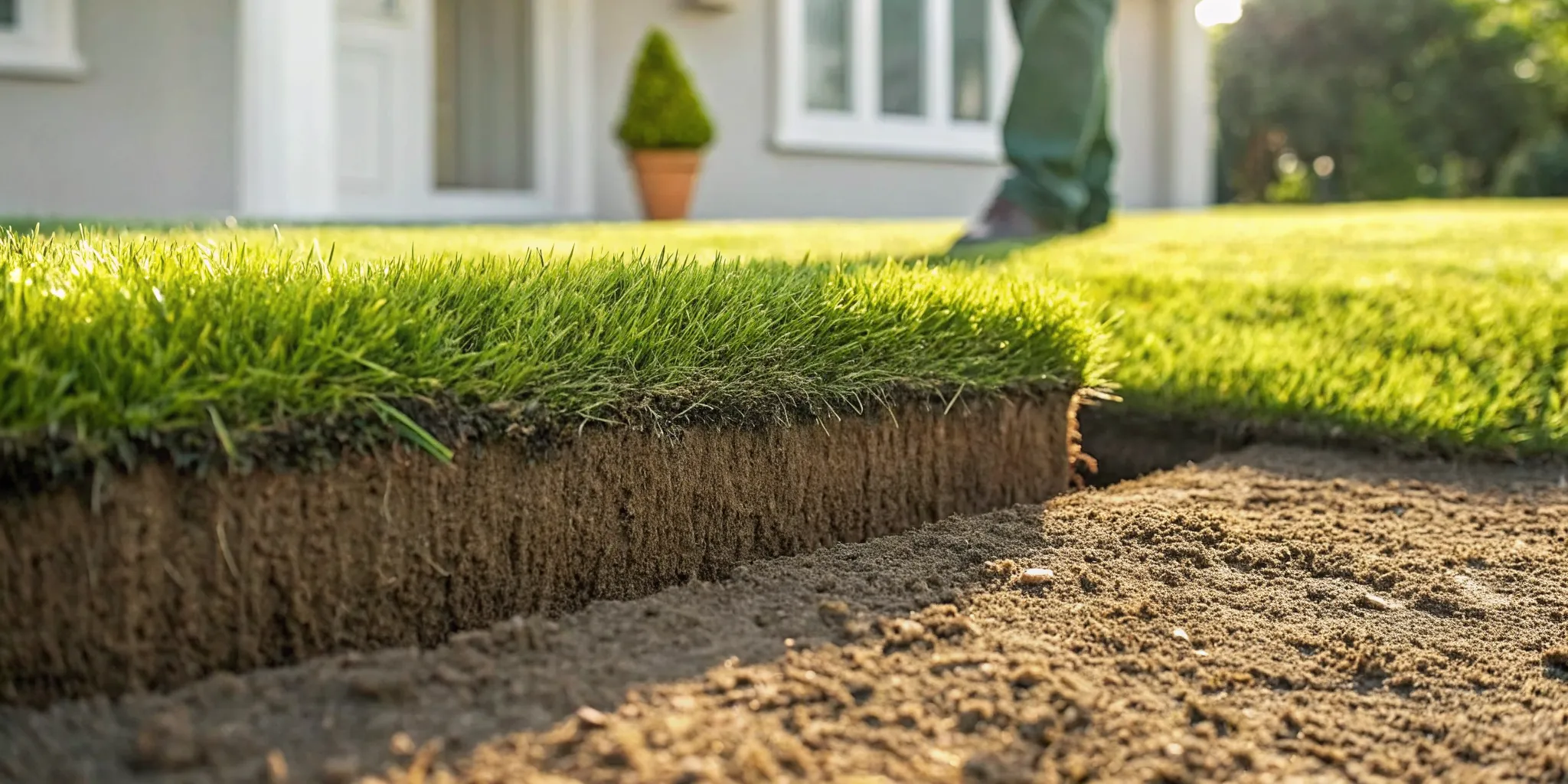
You should look for clues before you dig. A grub worm lives in the soil and feeds on the roots of your grass. This root loss makes the lawn feel soft or spongy when you walk on it. You might see brown patches that stay brown even after a deep soak. Birds and small animals like skunks or raccoons might dig holes in your yard to find a snack. If you see these signs, it is time to check the soil. Finding the problem early can save your grass from more harm.
Spot the early warning signs
Grubs stay underground, but you can see what they do to your yard. When they eat the roots, the grass cannot get the water it needs. This leads to grass turning yellow or wilting in odd shapes. If you can pull the grass up by hand like a loose rug, you likely have a pest issue. Animals digging for food is another big hint. They can smell the pests and will tear up the turf to get them. Checking the soil is the only way to be sure if you have a grub worm before you buy any spray.
It is important to tell apart pests from other problems like heat or lack of rain. Most people see damage in late summer when the larvae are the largest. Checking your yard twice a year is a good habit. You want to know if the pest count is high enough to cause real harm. A healthy lawn can handle a small number of pests without dying. But if the count is high, the damage will spread fast to other areas.
Follow the shovel test method
The best way to know for sure is to look under the turf. You only need to check a few small spots in the yard. It is smart to check the edges of brown patches where the grass is still green. This is where the pests are likely to feed next. By looking at these spots, you can see how far the problem has spread. You can also count the pests in a set space to see if you need help.
- Pick a few spots at the edge of a brown patch where the pests are moving.
- Use a spade to cut a square of turf about six inches wide and three inches deep.
- Gently lift the grass like a piece of rug to see if the roots are gone.
- Look in the top two inches of soil for C-shaped white larvae with brown heads.
- Press the grass back into its spot and water it well so it can stay alive.
Get help from a pro
If you find many pests in each spot, you may need help to stop them. Large areas of damage can be very hard to fix on your own. You can get a FREE Instant Quote to find out about your local care options. Experts can tell if you have a big pest problem or just a few bugs. They have the tools to treat the soil safely and help your grass heal. Working with a pro ensures the job is done right.
The Texas A&M AgriLife guide says grubs are the larvae of beetles. Knowing which beetle you have helps you pick the right care plan for the season. If your lawn still looks poor after you water it, a pro check is the best next step. This is a key part of ExperiGreen insect control for keeping your yard thick and green. Experts can find the cause and stop the cycle of damage in your soil before it ruins your yard.
Grub damage versus other lawn problems
Many lawn issues look like grub damage. Brown spots and dead grass may point to a grub worm pest. But these same signs also show up when the weather is too dry or when disease hits. It is vital to find the real cause before you start any work. If you guess wrong, you might waste money on a fix that does not work.
Drought stress vs grub damage
Lawn grass often turns brown during hot, dry weeks. This is called drought stress. It looks much like the early stages of a grub attack. Both cause the grass to wilt and lose its bright green color. You can test for drought by stepping on the grass. If it stays flat and does not spring back, it needs more water. Unlike grub damage, drought-stressed grass stays firmly rooted in the dirt.
Fungal diseases and yellow spots
Fungal diseases can also create ugly patches in your yard. Some molds leave a slimy coat on the blades. Others make the grass look orange or red. Brown patch and dollar spot are common fungal issues. These often show up when the air is humid and warm. While a grub worm eats the roots, a fungus attacks the grass blades. If the roots are still strong, the problem is likely a disease and not a pest.
Animal digging and other pests
You might see birds or small animals digging in your turf. Raccoons and skunks often look for food in the soil. They may be hunting for grubs, but they also eat other insects. Animals can tear up large chunks of grass in one night. This digging is a clue, but it is not proof of a grub problem. Other pests like sod webworms can also cause brown spots. Sod webworms live in the thatch layer and eat the grass at the soil line.
A quick lawn check
Knowing the signs for each lawn issue helps you treat it the right way. Use the table below to see how grub damage stacks up against other common lawn woes.
| Problem | Root Strength | Visual Signs | Response to Water |
|---|---|---|---|
| Grub Damage | Weak; grass lifts up | Brown patches; spongy feel | No change or worsens |
| Drought | Strong; stays in soil | Wilting; blue-gray tint | Grass turns green again |
| Fungus | Strong; stays in soil | Circles; spots on blades | No change or worsens |
| Animal Digging | Varies; torn chunks | Ripped turf; holes | No change |
How to confirm the cause
You should always check for pests before you buy a spray. To do this, cut a small square of sod at the edge of a brown spot. Lift the grass and look for white, C-shaped larvae. If you see more than five to ten grubs in one square foot, you likely have a problem. Finding the grub worm itself is the only way to be sure. Experts at Texas A&M AgriLife note that grubs are the larval stage of scarab beetles.
Once you know the cause, you can pick the right path. Healthy habits like mowing and feeding can help a lawn recover from minor stress. But if the roots are gone, you may need expert help. You can Get a FREE Quote for expert lawn care to fix your yard.
Explore lawn pest control options before root damage spreads.
When should grub worm damage be treated?
Grub worm damage should be addressed after a soil inspection confirms active larvae and before widespread root loss makes recovery difficult.
Timing is the key part of dealing with a lawn pest like the grub worm. You need to know when to act to save your grass roots. If you wait too long, the harm may be hard to fix. Most experts suggest looking for signs before the grass starts to die.
The choice to treat also depends on the local weather and soil wetness. Wet soil may keep the grass looking green even when roots are weak. But once the heat of summer hits, the brown spots will show up fast. You should watch for thin areas that do not turn green after you water them.
Finding the right time
The best time to treat depends on the life stage of the beetle. Grub worms are the C-shaped larvae of beetles like the Japanese beetle or June beetle. These pests go through many stages in their life cycle. You can find more facts about beetle growth at Texas A&M AgriLife.
Most larvae feed on grass roots during late summer and early fall. This is often the best window for many lawn tools. Using a treatment too early or too late can lead to poor results. You should always check the label to see if the tool works best for young larvae or older grubs.
Checking the root zone
You should not treat your lawn just because you see a few brown spots. It is vital to confirm that grubs are the real cause of the problem. Cut and lift a small section of turf at the edge of a bad area. If the grass rolls back like a rug, you likely have root loss.
Count the number of grubs you see in a square foot of soil. A few grubs may not cause much harm to a healthy lawn. But if you see more than ten grubs in one spot, it is time to act. Putting the turf back and watering it well after your check helps the grass stay alive. This simple step keeps the soil from drying out while you decide on a plan.
Choosing a treatment plan
There are two main ways to handle a grub worm issue. Early controls help stop a problem before it starts. Response steps are used after you already see damage and a high grub count. These two types of tools are not the same.
Healthy lawn habits like mowing and watering can help your grass recover. But these steps cannot grow new roots fast. If you see skunks or birds digging in your grass, you might need help from ExperiGreen lawn care. A pro can find the right plan for your yard and give you a FREE Instant Quote to stop the damage.
Will grass grow back after grub damage?
Grass can grow back after light grub damage if enough healthy roots remain, but severely detached or dead turf may need repair and reseeding.
If you see brown spots in your yard, you might wonder if the green will return. The short answer is that it depends on the health of your roots. When a grub worm feeds on your lawn, it eats the very thing the grass needs to stay alive. While some grass can heal, deep root loss makes it much harder for the lawn to come back on its own.
How root damage stops growth
The root system is the main lifeline for your lawn. It pulls water and food from the dirt to keep the grass blades green and strong. A grub worm is the young stage of a beetle that lives under the soil. These pests chew through the roots. This cuts off the path for water to reach the plant.
When the roots are gone, the grass starts to wilt. It may turn yellow or brown in odd shapes. These spots often do not get better even if you add more water. This is because the plant has no way to drink.
If the damage is light, the grass may grow new roots over time. But if the pest eats most of the roots, that patch of grass will die. You can often tell there is a problem if the ground feels spongy when you walk on it.
Signs your lawn is trying to heal
Not all brown spots mean the grass is dead. Sometimes, the grass is just under stress. If some roots are still there, the grass might go dormant to save itself. You can check for life by looking at the base of the plant. If the crown of the grass is still green and firm, there is a chance it will grow back.
Skunks and birds can also give you a clue about what is going on under the soil. They often dig in the turf to find a meal. While they are looking for a grub worm to eat, they can tear up the grass even more. If you see this kind of digging, you should check your soil right away.
It is a sign that the pests are active and hungry. You can get a FREE instant quote to have a pro look at these spots for you. A quick check can help you find out if your lawn can heal on its own or if it needs more help.
Helping your lawn heal
You can help your lawn heal by taking a few simple steps. First, keep the soil moist but do not add too much water. Light, frequent watering helps the short roots get the drink they need. You should also stop any heavy traffic on the brown spots.
Walking on weak grass can kill it for good. It is also a good idea to raise your mower blade. Taller grass grows deeper roots and stands up better to heat. This makes the lawn more tough against pests and stress.
In some cases, the grass will not grow back. If you can lift your turf up like a piece of rug, the roots are gone. This means the grass in that spot is dead. You will need to clear out the old grass and put down new seed.
A pro from ExperiGreen lawn care and seeding can look at your soil. They can find the best way to fix the bare spots. They can also help you stop the pests before they cause more harm next year. This keeps your yard green and healthy for the long term.
When professional grub control is the safer next step
Many people try to handle lawn pests on their own. But the grub worm can be hard to stop. These pests live under the soil where you cannot see them. If your lawn shows big signs of stress, it may be time to call for help. A pro can find the exact problem before the grass dies.
Signs of broad lawn damage
You may see brown or yellow spots in your yard. These patches often look like drought or disease. But if your grass does not get better with water, grubs might be the cause. These pests are the larvae of scarab beetles, such as the Japanese beetle. Texas A&M AgriLife notes that they feed on the roots of your grass.
Losing roots makes it hard for the grass to get food and water. The lawn might feel soft or spongy when you walk on it. If you see these signs across a large area, a pro check is a good idea. They can tell if the damage comes from pests or other issues like fungus.
When the turf lifts like a rug
One clear sign of a big problem is when the grass pulls up easily. Healthy grass has deep roots that hold it to the dirt. Grubs eat those roots away. When the damage is bad, you can often roll the grass back like a carpet. This shows that the roots are mostly gone.
Fixing this takes more than just a store-bought spray. You must know the type of grub and its life stage. Some products work best in the spring, while others work in the fall. An ExperiGreen lawn care expert knows which one to use for your local area. They can also help the grass grow back once the pests are gone.
Animals digging in your yard
You might notice skunks or birds digging in your lawn. They like to eat grubs. If they are tearing up your grass, they have likely found a food source. This digging can ruin a yard quickly. It is often a sign that there are many grubs in the soil.
If you have tried to treat the yard but still see damage, a pro can help. Some DIY steps fail because the timing is wrong. Others fail because the product does not reach the roots. A professional team has the right tools to get the job done. They can give you a clear plan to save your lawn.
Get a FREE Quote for a lawn care plan built around your yard.
Frequently Asked Questions
What does grub worm damage look like?
Grub worm damage often appears as patchy spots of grass that turn brown, yellow, or thin out. Since these pests eat the roots, the turf loses its link to water and food. You might notice the lawn feels soft or spongy when you walk on it. According to Texas A&M AgriLife, white grubs are the larval stage of scarab beetles. If the damage is bad, you can sometimes pull the grass up like a piece of carpet.
How do you check a lawn for grub worms?
You can check for these pests by lifting a small section of your turf. Use a spade to cut a square at the edge of a brown patch. Roll the grass back to look at the soil and roots below. You are looking for white, C-shaped larvae. If you find more than a few grubs in one spot, they may be the cause of your lawn issues. Always put the grass back and water it well after your test.
Will grass grow back after grub damage?
Grass can grow back after grub damage, but it takes time and care. If the pests ate all the roots, you may need to plant new seeds in those spots. Keeping your lawn healthy with proper mowing and watering helps the grass stay strong. But a healthy lawn alone will not fix deep root loss. If you see large bare spots, you should talk to a pro about the best way to fix the soil and regrow your turf.
When should grub damage be treated?
The best time to treat for grubs depends on their life stage and the season. Many people use early products in the summer before the eggs hatch. If you already see brown spots and loose turf in the fall, you may need a different type of control. It is vital to use the right product at the right time. A pro can help you find the best plan for your lawn and local area.
Ready to stop grub worm damage in your lawn?
Ignoring the first signs of grub damage leads to large, dead brown patches that often force you to pay for a costly and slow lawn replant during the next growing season. You can save your yard and avoid the high price of laying new sod by acting now to stop these hungry pests before they eat the roots and destroy your healthy grass. Getting expert help today keeps your lawn thick and green while preventing a small insect issue from turning into a major repair bill that takes many months of hard work to fix.
Ready to protect your yard? Get a FREE Quote to talk to a lawn care expert today about our pest control programs.