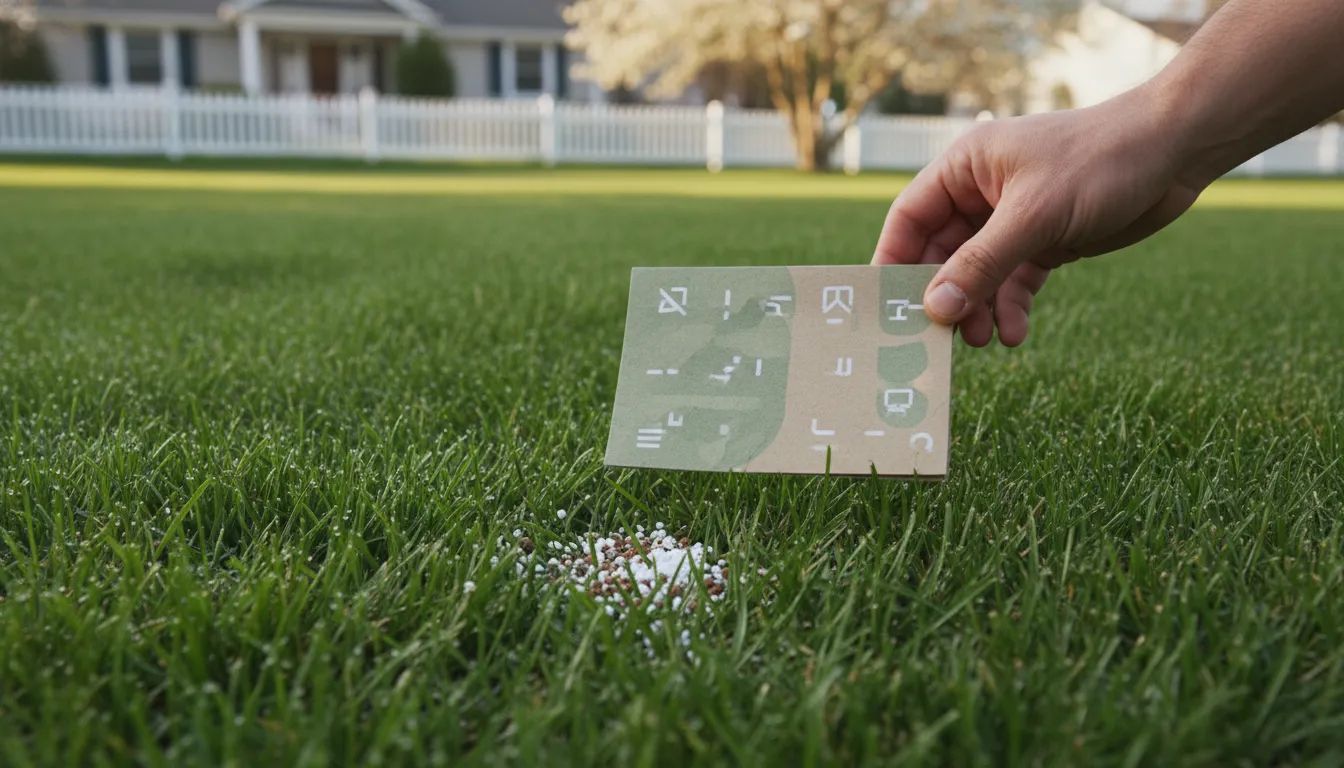
A greener yard starts with timing, not just fertilizer. Apply nutrients when grass is actively growing, and the lawn can turn that feeding into stronger roots, thicker blades, and better color.
See ExperiGreen’s lawn fertilization and weed control program to match treatments to the right seasonal window.
When to fertilize lawn: fertilize cool-season grass most in early spring and fall, and fertilize warm-season grass from late spring through summer after green-up. Avoid feeding frozen, dormant, drought-stressed, heat-stressed, or waterlogged turf. In ExperiGreen markets, timing should shift by grass type, soil temperature, local weather, and regional growing season.
The right schedule also depends on where you live. Chicago, Detroit, Columbus, Cincinnati/Dayton, Indianapolis, South Bend, and Canton/Akron often follow a cool-season rhythm. Charlotte can have a longer growing season and more warm-season turf. The path begins with the seasonal rules below.
When to fertilize lawn by season
The best time to fertilize a lawn is when the grass is awake, growing, and ready to use nutrients. A practical rule is to wait until turf is actively growing and soil temperatures are consistently high enough for the grass type. Cool-season grasses usually wake up when soil temperatures move through the 50s. Warm-season grasses usually need warmer soil, often closer to the 60s, before they use fertilizer efficiently.
Spring feeding
Spring fertilizer supports green-up and early growth. For cool-season lawns, this usually means a light to moderate feeding after growth starts. Do not rush the first application while the lawn is still wet, cold, or slow to wake up.
For warm-season lawns, wait longer. The first spring feeding should come after green-up and after the lawn has needed mowing more than once. That helps confirm the grass is active enough to use the nutrients.
Summer feeding
Summer timing depends on the turf. Warm-season grasses often grow strongest in summer, so they can benefit from planned feeding during this window. Cool-season grasses may slow down during heat, so summer fertilizer should be lighter and more careful.
Never fertilize a lawn that is brown from drought or heat stress. Water and recovery come first. Feeding stressed grass can push growth when the plant is trying to protect itself.
Fall feeding
Fall is often the most important fertilization season for cool-season lawns. Mild temperatures support root growth, color, and recovery after summer stress. This is also a smart time to pair fertilization with aeration or overseeding when the lawn needs density.
ExperiGreen programs are built around seasonal windows, not a one-size-fits-all date. Their lawn fertilization and weed control program spaces treatments across the season based on region, grass type, and lawn condition.
How does grass type affect fertilization timing?
Direct answer: cool-season turf needs its strongest fertilizer support during spring and fall growth, while warm-season turf needs most feedings after spring green-up and through summer. Grass type matters because fertilizer works best when the plant is already using nutrients for active growth.
How the growth cycle changes timing
Cool-season lawns are common across many Midwest and Great Lakes markets. These lawns often include Kentucky bluegrass, perennial ryegrass, and fescue. They like mild weather and may struggle during long, hot, dry stretches.
Warm-season lawns are more common in warmer climates. They may include bermudagrass, zoysia, centipedegrass, or St. Augustinegrass. These lawns build the most growth during late spring and summer.
| Grass type | Growth season | Best fertilizer window | Avoid |
|---|---|---|---|
| Cool-season | Spring and fall | Early spring, early fall, late fall | Heavy summer feeding during heat stress |
| Warm-season | Late spring and summer | After green-up through active summer growth | Early spring feeding before full green-up |
| Mixed turf | Varies by yard | Based on turf, soil, weather, and shade | Generic national calendars |
What fertilizer analysis should homeowners look for?
Most lawns need nitrogen for color and blade growth, but the exact N-P-K ratio should depend on soil conditions and the season. A soil test is the best way to know whether phosphorus or potassium is needed. Without that information, homeowners can overapply nutrients the lawn does not need.
ExperiGreen uses program-based applications rather than a single generic bag recommendation. That approach matters because turf type, weed pressure, rain, drought, and soil health all change what the lawn can use.
What month is best to fertilize your lawn?
Direct answer: September is often the best month for cool-season lawns, while May through August is usually better for warm-season lawns. The best month still depends on active growth, soil temperature, moisture, and local weather.
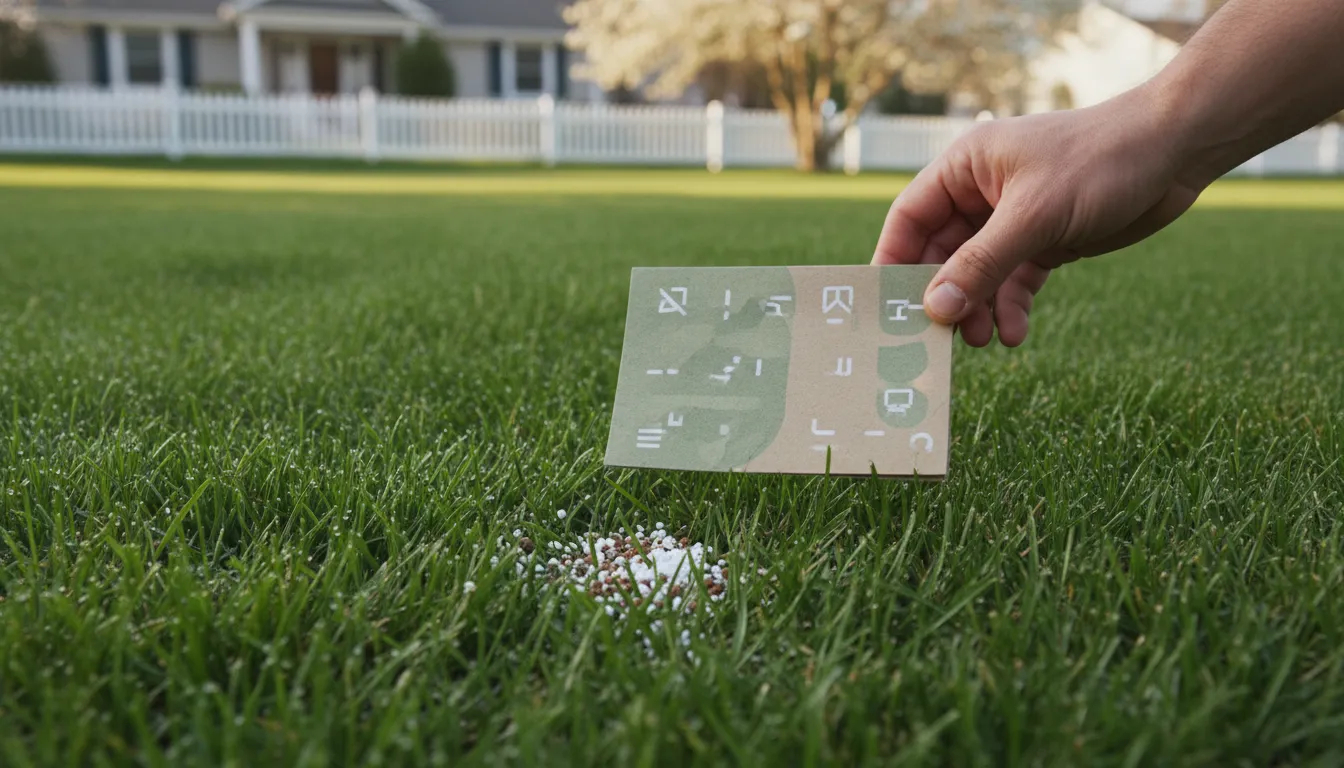
A month-by-month schedule is a guide, not a rigid rule. Weather can move the right window earlier or later by several weeks. Use the calendar below as a practical starting point, then adjust for growth and local conditions.
January through March
- January: Most lawns are dormant. Do not fertilize frozen or snow-covered turf. Use this month to review the prior season and plan soil improvement.
- February: Avoid feeding dormant grass. In warmer areas, watch for early growth, but do not rush fertilizer before the lawn is truly active.
- March: Some lawns begin to wake up. In northern markets, focus on cleanup and early weed prevention timing rather than heavy fertilizer.
April through June
- April: Cool-season lawns may be ready for a spring feeding after growth starts. Warm-season lawns often still need more time.
- May: This is a key month for many lawns. Cool-season turf can use nutrients, and warm-season turf may be ready after green-up.
- June: Warm-season lawns are often active. Cool-season lawns may need careful feeding before heat rises, especially in Midwest and Ohio Valley markets.
Get an instant quote from ExperiGreen if you want a local program timed around your yard instead of a generic calendar.
July through September
- July: Feed warm-season lawns only when they are healthy and watered. Avoid pushing cool-season lawns during heat stress.
- August: Watch soil moisture. Late August may begin the fall recovery window for cool-season lawns in some northern markets.
- September: This is a prime month for cool-season fertilization. It also pairs well with aeration and overseeding when the lawn needs thickening.
October through December
- October: Cool-season lawns can benefit from fall feeding while growth continues. Warm-season lawns should taper as frost risk approaches.
- November: Late fall feeding may help cool-season roots before winter, depending on weather and the lawn program.
- December: Most lawns are dormant. Skip fertilizer and protect the lawn from salt, heavy traffic, and winter damage.
How regional weather changes the best fertilization window
Direct answer: regional weather changes fertilization timing by moving green-up, heat stress, rainfall, and dormancy earlier or later. A lawn in Chicago should not be fed on the same exact calendar as a lawn in Charlotte.
Midwest and Great Lakes timing
In Chicago lawn care, Detroit lawn care, South Bend, and nearby Great Lakes markets, spring can be slow and uneven. Lawns may green up on the surface before the soil is fully ready. A patient first feeding helps avoid pushing weak growth too early.
Fall often brings a strong recovery period in these markets. Cooler air and more steady moisture help cool-season lawns rebuild roots. This is why fall fertilization, aeration, and overseeding are often grouped together.
Ohio Valley and Indiana timing
Columbus lawn care, Cincinnati lawn care, Canton/Akron, and Indianapolis lawn care can see quick shifts from spring growth to summer stress. Lawns may need a spring application, then a more careful summer plan. The best schedule avoids heavy feeding during drought or high heat.
Fall is still important here. A well-timed application can help the lawn recover from summer traffic, weeds, insects, and thin patches.
Charlotte timing
Charlotte lawn care has a longer warm season than many northern ExperiGreen markets. Some lawns may grow actively earlier in spring and later into fall. Warm-season turf should not be fed too early, but it may need more summer attention than northern lawns.
Because Charlotte lawns can vary by turf type, a local inspection is helpful. The right answer is not just the city. It is the grass, soil, shade, irrigation, and recent weather in that yard.
What signs show your lawn is ready for fertilizer?
Direct answer: a lawn is ready for fertilizer when it is actively growing, has adequate moisture, shows stable color, and is not under severe heat, drought, disease, or winter stress. If the lawn is brittle, dormant, or not growing, wait.
Active growth
A lawn that needs mowing is usually active. That does not mean every growing lawn needs fertilizer right away. It does mean the grass can use nutrients better than it could during dormancy.
For warm-season lawns, this sign matters a lot in spring. Wait until the lawn has greened up and started regular mowing. Feeding too early can waste product and may favor weeds more than turf.
Good moisture and color
Grass should have enough soil moisture before fertilizer is applied. A pale, thin lawn may need nutrients, but it also may need water, aeration, soil correction, or weed control. Color alone does not tell the full story.
Professional lawn care looks at the whole lawn. That includes density, soil, weeds, insects, shade, drainage, and prior treatment history.
No severe stress
Do not fertilize when the lawn is in severe drought, heat stress, or winter dormancy. Also avoid applying fertilizer before heavy rain. Nutrients should reach the lawn, not wash away into streets or storm drains.
Common fertilization mistakes to avoid
Most fertilization problems come from timing, amount, or assumptions. More fertilizer does not always mean a better lawn. The right treatment at the wrong time can create weak growth or add stress.
Feeding too early
Early spring can tempt homeowners to start fast. If the lawn is still dormant, fertilizer will not deliver the result you want. Wait for steady growth, especially on warm-season turf.
In northern markets, early green color can be misleading. Soil may still be cold, and roots may not be ready for a full feeding. A measured start is safer.
Feeding during stress
Drought-stressed grass needs water and recovery before fertilizer. Heat-stressed cool-season lawns may be trying to survive, not grow. Pushing new growth at that moment can make the lawn weaker.
Heavy rain is another timing problem. Fertilizer should not be applied right before a downpour. A light watering after application may help, but runoff is not the goal.
Skipping the program view
One application rarely solves every lawn issue. Fertilization works best when it is part of a program that also manages weeds, soil health, insects, aeration, and seeding. ExperiGreen’s lawn care programs are built around that full-season approach.
How ExperiGreen times fertilization and weed control
Direct answer: ExperiGreen times fertilization by matching seasonal growth windows with local turf conditions, weed pressure, and treatment spacing. Programs can include granular and liquid applications, pre-emergent weed control, broadleaf weed control, and fertilization during the right seasonal windows.
Seasonal treatment windows
ExperiGreen’s lawn care programs can include 6 to 12 annual applications, depending on the plan, region, and grass type. Treatments are scheduled through the growing season so nutrients, crabgrass prevention, and broadleaf weed control are applied when they can work best.
This matters because weed control and fertilization often work together. Spring timing may focus on crabgrass prevention and early growth. Fall timing may focus on recovery, roots, and thick turf that can compete better next season.
Local market care
Homeowners can explore local services for Chicago, Detroit, Columbus, Cincinnati, Indianapolis, South Bend, Canton/Akron, and Charlotte. Each market has different timing needs, so local care matters.
Compare ExperiGreen lawn care programs to choose the service level that fits your yard and season.
Frequently asked questions
What month is best to fertilize a lawn?
For many cool-season lawns, September is one of the best months because grass is recovering from summer and building roots. April or May may also be useful after spring growth begins. For warm-season lawns, May through August is often better because the grass is actively growing.
Is spring or fall better for lawn fertilizer?
Fall is often better for cool-season lawns because it supports root growth and recovery. Spring still matters, but it should not be too heavy or too early. Warm-season lawns usually benefit more from late spring and summer feeding.
How often should you fertilize your lawn?
Many lawns need several planned applications during the growing season, not one large feeding. ExperiGreen programs may include 6 to 12 visits per year, depending on the plan, region, and grass type. The right frequency depends on soil, turf, weeds, and goals.
Should I fertilize before rain?
A light watering after fertilizer can help move nutrients into the soil, but heavy rain is different. Avoid fertilizing before a downpour because runoff can carry nutrients away from the lawn. Check the forecast before applying.
When should you not fertilize a lawn?
Do not fertilize frozen, dormant, drought-stressed, or heat-stressed grass. Also avoid fertilizer before heavy rain or when the lawn is too wet to walk on without damage. Wait until the lawn is growing and conditions are stable.
Get a lawn fertilization plan for your yard
The best fertilization schedule is local, seasonal, and based on your turf. If you want help deciding when to fertilize lawn in your market, ExperiGreen can match the timing to your grass type, weather, and lawn goals.
Get an instant quote or schedule a lawn care program consultation to build a plan around the right fertilization and weed control windows for your yard.