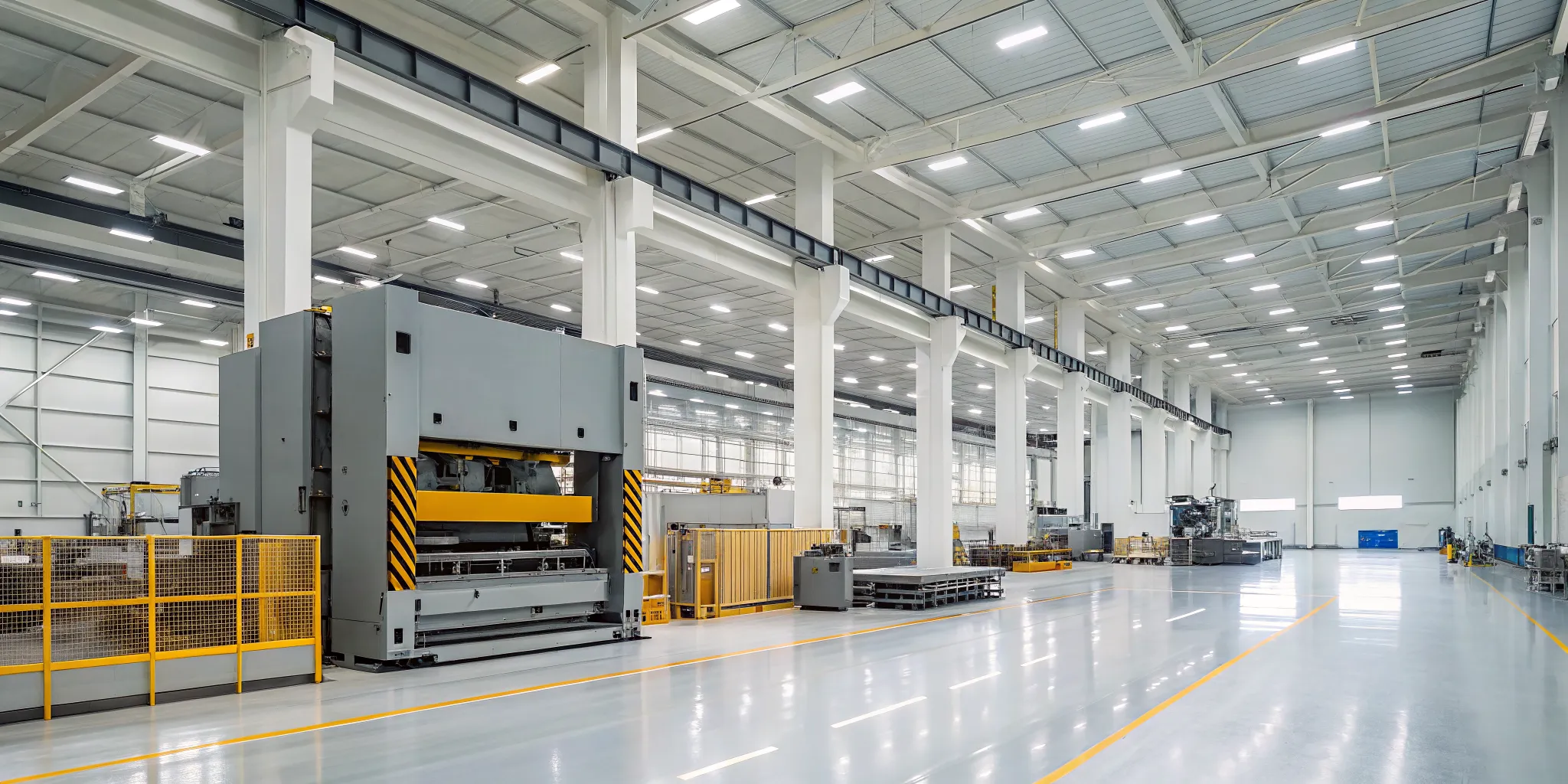
While it’s a long-established manufacturing method, the sheet metal stamping process is far from old-fashioned. Today, it’s a high-tech field that combines raw power with digital intelligence. Modern stamping operations use advanced simulation software to perfect designs before any metal is cut, and they integrate robotics for unmatched speed and consistency. By embedding sensors into machinery, manufacturers can monitor production in real time to ensure flawless quality. This guide will cover not only the foundational techniques of stamping but also the exciting innovations that are making this process smarter, faster, and more sustainable than ever before.
Ready for a Lawn You’ll Love?
Get expert lawn care from your local ExperiGreen team — fertilization, weed control, pest programs, and more.
Serving homeowners across OH, MI, IL, IN, NC & more | No obligation quote
Key Takeaways
- Match the method to the part: Stamping combines techniques like blanking and drawing with specific tools like progressive dies and hydraulic presses. Success comes from choosing the right mix for your part’s complexity and production volume.
- Stamping is cost-effective for high-volume production: While custom tooling has an upfront cost, the process is incredibly fast and repeatable. This makes the price per part drop significantly on large runs, delivering both precision and affordability when you need to scale.
- Quality is built in, not inspected at the end: Ensure consistent results by planning ahead. This involves selecting the correct material, confirming your design is manufacturable, and implementing quality checks throughout the entire production process.
What Is the Sheet Metal Stamping Process?
At its core, sheet metal stamping is a manufacturing process that transforms flat sheets of metal into specific shapes. Think of it like a highly precise and powerful cookie cutter for metal. The process uses a stamping press to apply immense force to a tool and die set, which then cuts or forms the metal sheet into the desired part. What’s interesting is that this is typically a cold-forming process, meaning the metal is shaped at room temperature without adding heat. This method is incredibly efficient for creating everything from a simple washer to a complex car door panel.
How Does the Stamping Process Work?
The process begins with a flat sheet of metal, which can be fed into the machine from a large roll or as individual blanks. This sheet is placed into a stamping press, a powerful machine that holds a custom-made die. The die is essentially a specialized mold that dictates the final shape of the part. When the press is activated, it forces the die into the metal, performing operations like punching, bending, or coining to create the final component. This cycle repeats rapidly, making it possible to produce thousands or even millions of identical parts with remarkable speed and precision.
What Materials Are Used in Stamping?
One of the biggest advantages of sheet metal stamping is its versatility with materials. The process works beautifully with a wide range of common metals, including steel, stainless steel, aluminum, brass, and copper. This flexibility allows manufacturers to choose the perfect material for a part’s specific needs, whether it requires strength, corrosion resistance, or conductivity. Because it’s so adaptable and efficient, stamping is a go-to method for high-volume production) across many industries. You’ll find stamped parts in everything from the cars we drive to the appliances in our kitchens.
Core Sheet Metal Stamping Techniques
Sheet metal stamping isn’t a single action but a sequence of precise operations that work together to shape a final part. Think of it like a recipe where each step builds on the last. These core techniques take a flat sheet of metal and cut, punch, bend, and stretch it into a complex three-dimensional component. Depending on the part’s design, these operations can happen one after another in a single, highly efficient process using a progressive die, which moves the metal through different stations automatically.
Understanding these fundamental techniques is the key to grasping how a simple metal sheet becomes a critical part of a car, an appliance, or an electronic device. Each method serves a distinct purpose, and their combination allows for an incredible range of designs and functions. For example, a single part might first be blanked to size, then pierced with mounting holes, and finally bent into its final shape. Let’s walk through the four primary techniques you’ll encounter in almost every sheet metal fabrication project: blanking, piercing, bending, and drawing. By getting familiar with what each one does, you’ll have a much clearer picture of the entire stamping process from start to finish.
Blanking
Blanking is usually the very first step in the stamping process. It involves cutting the part’s overall shape from a larger sheet or coil of metal. Imagine using a cookie cutter on a sheet of dough; the piece you cut out is the cookie you want to keep. In stamping, that cut-out piece is called a “blank.” This blank is the workpiece that will move on to other stamping stations for additional shaping. The primary goal of blanking is to create the initial, flat profile of the component with a clean, precise edge before any three-dimensional features are added.
Piercing
Piercing is essentially the opposite of blanking. While blanking cuts out the desired part from a larger sheet, piercing punches holes, slots, or other shapes into the part. With piercing, the material that is punched out is the scrap, and the main workpiece with the new hole is what you keep. This technique is used to create features like mounting holes for screws, openings for ventilation, or cutouts for other components to pass through. Piercing can be done on a flat blank or on a part that has already been formed, giving designers flexibility in the manufacturing process.
Bending and Forming
This is where a flat, two-dimensional blank starts to become a three-dimensional part. Bending is a specific type of forming that creates angles by folding the metal along a straight axis. You can create simple V-bends, U-bends, or more complex shapes. Forming is a broader term that includes bending but also covers the creation of features like ribs for stiffness or louvers for airflow. In both cases, the blank is placed between a punch and a die, and force is applied to shape the metal into the desired geometry without significantly changing its thickness.
Drawing
Drawing is the technique used to create deep, hollow shapes from a flat sheet of metal. This process works by “drawing” or pulling the material into a die cavity with a punch. It’s how seamless, deep parts like kitchen sinks, cookware, and automotive oil pans are made. Drawing is one of the more complex stamping operations because it requires careful control over how the metal flows. If not managed correctly, the material can wrinkle or tear. For very deep parts, the drawing process may be done in several stages to gradually stretch the metal to its final shape without causing defects.
What Types of Dies and Presses Are Used?
Think of the stamping process like a very precise, powerful cookie-cutter. The die is the custom-shaped cutter, and the press is the machine that pushes it through the dough (or in this case, sheet metal). Choosing the right combination of die and press is fundamental to the success of any stamping project. This decision impacts everything from production speed and cost to the final part’s accuracy and complexity. Dies are the specialized tools that cut and form the metal, while presses provide the force needed to make it happen.
There are several types of dies, each designed for a specific task. Some perform a single action, while others can complete multiple steps at once. Similarly, presses come in different forms, each offering a unique balance of speed, power, and control. Understanding these options helps you partner more effectively with a stamping provider and ensures your part is manufactured in the most efficient way possible. Let’s look at the most common types of dies and presses you’ll encounter in the industry.
Progressive Dies
A progressive die is a master of efficiency for high-volume projects. It works by feeding a continuous strip of metal through a series of stations within a single die. Each station performs a distinct operation, like cutting, bending, or punching. The metal part remains attached to the main strip as it moves from one station to the next, getting progressively closer to its final shape. Only at the very last station is the finished part cut free. This assembly-line approach allows multiple parts to be formed simultaneously, making it an incredibly fast and cost-effective method for mass production.
Compound Dies
When you need to perform several cutting operations in one swift motion, a compound die is the tool for the job. In a single stroke of the press, a compound die can stamp, punch, and trim a part. This is especially useful for producing flat parts with intricate features, like washers or other components with complex internal holes and outer shapes. Because all the cutting happens at once, compound dies offer excellent precision and repeatability. This makes them a great choice for quickly producing a large number of identical, often complex, flat parts.
Combination Dies
A combination die takes the single-stroke efficiency of a compound die a step further. While a compound die focuses only on cutting operations, a combination die can perform both cutting and non-cutting (or forming) operations in one press cycle. For example, it might cut the outer shape of a part while also bending a flange or creating a small indentation. This versatility makes it ideal for producing parts that require both shaping and cutting, streamlining the manufacturing process by reducing the number of separate steps needed to create a finished component.
Mechanical Presses
Mechanical presses are the workhorses of the stamping industry, known for their incredible speed and consistency. They operate using a motor-driven flywheel that stores and releases energy to power the press ram. This design allows for rapid, continuous strokes, making mechanical presses perfect for high-volume production of relatively simple, shallow parts like automotive brackets or electronic hardware. With force capabilities ranging from 20 to over 6,000 tons, they provide the power needed for blanking and shallow forming operations where speed is the top priority.
Hydraulic Presses
Unlike their mechanical counterparts, hydraulic presses are all about control and power. They use pressurized fluid to move the press ram, which allows for complete control over the stroke length and pressure throughout the entire cycle. While they operate at a slower pace, this deliberate movement is perfect for creating deep, complex shapes that require a slow, even application of force, such as fuel tanks or kitchen sinks. The ability to adjust the force and dwell time makes hydraulic presses incredibly versatile for jobs where precision forming is more important than high-speed output.
Servo Presses
Servo presses represent the next evolution in stamping technology, offering the best of both worlds. They combine the high speeds of mechanical presses with the full programmability and control of hydraulic systems. Driven by high-torque servo motors, these presses allow for precise manipulation of the slide’s speed, position, and motion profile at any point during the stroke. This level of control opens up new possibilities for forming complex parts from challenging materials. The versatility of servo presses makes them a go-to choice for a wide range of modern manufacturing applications.
Key Advantages of Sheet Metal Stamping
Sheet metal stamping is a cornerstone of modern manufacturing for good reason. It offers a powerful combination of speed, precision, and cost-efficiency that few other processes can match, especially when you need to produce a large number of parts. From the initial design to the final product, stamping provides a reliable path to creating high-quality components. The process is not just fast; it’s also incredibly consistent, ensuring that every part meets exact specifications. Plus, with a growing focus on sustainability, stamping stands out as a method that minimizes material waste. Let’s look at these advantages more closely.
High-Speed Production and Automation
One of the biggest draws of metal stamping is its incredible speed. Once the tooling is set up, automated presses can churn out thousands, or even millions, of parts in a short amount of time. This high-speed capability is perfect for industries with demanding production schedules. Because the process is so efficient, it allows for “fast production, whether you need a few parts or many.” This level of automation in manufacturing means presses can run with minimal human oversight, reducing labor costs and the potential for error. For businesses that need to scale production quickly to meet market demand, the rapid output of metal stamping is a game-changer.
Cost-Effectiveness at Scale
While there’s an upfront investment in creating the custom dies, metal stamping becomes extremely cost-effective as production volume increases. The per-part cost drops significantly with larger runs because the initial tooling expense is spread across more units. This makes metal stamping ideal for “making many parts quickly and cheaply, while keeping them all the same quality and size.” For high-volume projects, the low cost per piece delivers a major competitive advantage. This economic balance is why so many everyday items, from automotive components to appliance parts, are made using this method. It provides a clear path to profitability for mass-produced goods.
Achieve Precision and Consistency
When every part needs to be identical, metal stamping delivers. The process is known for its exceptional repeatability, producing components with tight tolerances and consistent quality from the first piece to the last. This precision comes from the die itself, which acts as a perfect mold for every part that’s formed. As experts note, “choosing the right type of die and press is important for making high-quality parts efficiently.” This consistency is critical in industries like aerospace and medical equipment, where even the smallest deviation can have serious consequences. The reliability of stamping ensures that components will fit and function exactly as designed, reducing assembly issues and improving the quality of the final product.
Reduce Waste and Improve Sustainability
In an era where sustainability matters, metal stamping offers a greener manufacturing alternative. The process is designed to be highly efficient, minimizing the amount of scrap material produced. Smart design techniques, like nesting multiple parts closely together on a single sheet of metal, maximize material usage. Because it is “extremely repeatable, [it] produces little scrap waste.” The metal scrap that is generated is also highly recyclable, allowing it to be melted down and reused. This focus on reducing waste not only lowers material costs but also lessens the environmental impact of production, making it a responsible choice for any sustainable manufacturing strategy.
What Industries Rely on Sheet Metal Stamping?
Because sheet metal stamping is so efficient and precise, it’s a go-to manufacturing process for a surprising number of industries. From the car you drive to the phone in your pocket, stamped parts are everywhere. The ability to produce high volumes of identical, durable components makes it an essential technique for modern manufacturing. Let’s look at a few key sectors where metal stamping plays a critical role.
Automotive
The automotive industry is a massive consumer of stamped metal parts. Think about it: a car is assembled from thousands of individual components, and many of them need to be both strong and identical. Metal stamping) is the perfect process for this, used to create everything from structural components and brackets to exterior body panels like doors and hoods. The process delivers the high quality and exact specifications needed for vehicle safety and performance. Even smaller interior parts, like seat frames and dashboard components, are often made using stamping, ensuring a perfect fit every time.
Aerospace
When it comes to aerospace, every single component matters. Safety and performance are non-negotiable, and parts must be incredibly strong without adding unnecessary weight. This is where metal stamping shines. The process is particularly useful for creating lightweight yet strong components for aircraft, from fuselage panels to internal brackets. It allows for the high-volume production of parts that meet the aerospace industry’s) stringent safety and quality standards. The precision of stamping ensures that every part is a perfect match, which is critical when building machines that fly at 30,000 feet.
Electronics
Take a look at your smartphone, laptop, or TV. They are filled with tiny, intricate metal parts that make them work. In the electronics sector, metal stamping is essential for producing these components, including connectors, terminals, shields, and housings. The process ensures that parts are consistent in quality and size, which is crucial for the proper function of our favorite gadgets. As devices get smaller and more complex, the need for micro-stamping has grown, allowing manufacturers to create incredibly small parts with extreme precision. This stamping process is a key reason why modern electronics are so reliable and compact.
Medical Equipment
The medical field demands the highest standards of precision, reliability, and cleanliness. Metal stamping is used to create custom parts for a wide range of medical equipment, where failure is not an option. For example, stamping is used to manufacture components like stainless steel springs for surgical tools, shields for monitoring devices, and enclosures for diagnostic machines. Materials like stainless steel and titanium are often used because they are durable and can be easily sterilized. The consistency of the stamping process ensures that every medical device component performs exactly as intended, which is vital for patient safety and care.
Home Appliances
The appliances you use every day, from your refrigerator to your washing machine, rely heavily on metal stamping. This process is used to produce the durable panels, covers, and handles that give appliances their structure and sleek appearance. Because these products are made in very large quantities, the efficiency of stamping is a major advantage. It allows for the rapid production of precise components that can withstand years of daily use. The next time you open your oven or load the dishwasher, remember that metal stamping helped create the sturdy and reliable machine you depend on.
Common Challenges in Sheet Metal Stamping
Sheet metal stamping is an incredibly efficient process, but it comes with its own set of challenges. Getting it right means carefully managing your tools, materials, and production speed to create high-quality parts consistently. Anticipating these common hurdles is the first step toward a smoother, more predictable manufacturing run. From the initial investment in tooling to handling intricate designs, every stage requires attention to detail to prevent costly errors and delays. Let’s look at some of the key challenges you might face and how to approach them.
Handle Tooling Costs and Die Wear
The initial investment in tooling, specifically the dies, can be one of the biggest financial hurdles in metal stamping. High-quality, custom dies are expensive to design and manufacture, but they are essential for producing precise parts. Beyond the upfront cost, you also have to account for ongoing maintenance. Dies wear down over time from the repetitive, high-pressure impact of the stamping process. This wear can lead to defects in your parts, so regular inspection and maintenance are non-negotiable. Choosing the right type of die and press from the start is crucial for making quality parts efficiently and managing long-term costs.
Choose the Right Materials
Selecting the correct material is a critical balancing act. Your choice impacts the part’s performance, durability, and final cost. You need to consider factors like strength, corrosion resistance, and formability. For example, a stronger alloy might be necessary for a structural component, but it could be harder to form and more expensive. The right metal sheet is chosen based on what the part needs, but you must weigh those needs against your budget. Using a less-than-ideal material to save money can result in part failure down the line, while over-specifying can make your product uncompetitive.
Balance Production Speed with Quality
Metal stamping is prized for its speed, allowing for fast production and low costs per part. However, there’s a delicate balance between maximizing output and maintaining quality. Pushing the press to run too fast can introduce problems like burrs, cracks, or dimensional inaccuracies. The challenge is to find the optimal speed that ensures consistent quality without sacrificing efficiency. This sweet spot allows you to produce a high volume of parts that meet specifications every time. It requires well-maintained equipment, skilled operators, and robust quality control checks to ensure parts are consistent in quality and size.
Work with Complex Part Designs
Modern products often demand parts with intricate shapes, tight tolerances, and complex features. While stamping is versatile, creating these designs presents a significant challenge. Deep draws can cause the material to tear or wrinkle, while complex bends can lead to springback, where the metal partially returns to its original shape after forming. Techniques like Progressive Die Stamping, where a part is formed in multiple stages, are often used for these jobs. However, designing and building the tooling for complex parts requires deep expertise and can add to the initial cost and lead time.
How to Ensure Quality in Sheet Metal Stamping
Achieving high-quality stamped parts isn’t about a single, final inspection. It’s a commitment that runs through every step of the production journey, from the initial design to the final shipment. When you build quality checks into your process, you catch potential issues early, reduce waste, and ensure every part meets your exact specifications. This proactive approach saves time and money while building a reputation for reliability. Let’s walk through the key strategies that top manufacturers use to maintain exceptional quality in every batch.
Inspect Materials and Use SPC
Quality control begins long before the metal meets the die. It starts with the raw materials. Verifying that your sheet metal coils or blanks meet the required specifications for thickness, grade, and surface finish is a critical first step. Any deviation here can lead to defects down the line. Beyond a simple visual check, many operations use Statistical Process Control (SPC). This data-driven method helps monitor and control a process, ensuring that variables like material thickness and press force stay within acceptable limits. By tracking performance in real time, you can spot trends and make adjustments before out-of-spec parts are ever produced.
Set Up In-Process Inspection Points
Waiting until the end of a production run to check for quality is a recipe for costly rework and scrap. Instead, it’s best to establish in-process inspection points. At designated stages of the stamping process, operators or automated sensors check parts to confirm they meet the required dimensions and standards. This approach allows your team to identify defects early, right as they happen. Finding a problem after the first bend is much easier and cheaper to fix than discovering it after thousands of parts have been fully formed and finished. These checkpoints empower your team to maintain consistency and minimize waste throughout the entire run.
Train Operators and Continuously Improve
Even the most advanced presses and dies are only as effective as the people who run them. Comprehensive and ongoing training is essential for maintaining high quality. Operators need to understand how to set up dies, calibrate machinery, and recognize the subtle signs of a potential problem, like die wear or material inconsistencies. When your team is well-trained, they can use equipment effectively and contribute to a culture of continuous improvement. This means regularly reviewing processes, learning from past mistakes, and adapting to new techniques. Investing in your operators’ skills is a direct investment in your product quality and operational excellence.
What’s New in Sheet Metal Stamping?
The world of sheet metal stamping is constantly evolving, with new technologies making the process faster, smarter, and more sustainable. While the core principles remain the same, these innovations are changing how parts are designed, produced, and monitored. Staying aware of these trends can help you find a manufacturing partner who is on the cutting edge and can deliver the best possible results for your project. From digital design to eco-friendly practices, here’s a look at what’s new and exciting in sheet metal stamping.
Simulation Software and Digital Prototyping
Imagine finding a critical flaw in your part design before a single piece of metal is cut. That’s exactly what digital prototyping allows you to do. Modern stamping simulation technology) uses powerful software to predict how sheet metal will react during the stamping process. It can identify potential issues like cracks, wrinkles, or weak spots before any physical tools are created. This lets designers and engineers test different approaches on a computer, refining the part for optimal performance and cost-effectiveness. By catching problems in the digital stage, you can avoid expensive and time-consuming changes down the line.
Automation and Robotics
One of the biggest strengths of metal stamping is its ability to produce a high volume of identical parts quickly. The integration of automation and robotics takes this to a whole new level. Robots can handle tasks like loading metal sheets, transferring parts between stations, and performing quality checks with incredible speed and precision. This seamless automation not only increases production efficiency but also improves worker safety by taking over repetitive or dangerous jobs. For businesses looking to scale production, robotics makes it possible to maintain consistent quality while meeting high demand.
IoT and Smart Manufacturing
The Internet of Things (IoT) is making factories smarter, and sheet metal stamping is no exception. By embedding sensors into presses and dies, manufacturers can collect real-time data on everything from temperature and pressure to machine performance. This is a core part of understanding the metal stamping process in a modern facility. This constant stream of information allows for predictive maintenance, alerting operators to potential issues before they cause a shutdown. It also ensures that every part produced is consistent in quality and meets exact specifications, giving you greater confidence in the final product.
Sustainable Practices and Eco-Friendly Lubricants
As industries everywhere focus more on sustainability, sheet metal stamping is also going green. A key area of innovation is in the lubricants used to reduce friction and heat during the stamping process. While traditional lubricants are oil-based, many manufacturers are now adopting newer, polymer-based synthetic lubricants. These “oil-free” or “non-oil” lubricants) are more eco-friendly and can be easier to clean from finished parts. This shift helps reduce the environmental impact of manufacturing without sacrificing the efficiency or quality of the stamping process, making it a win for both the planet and the producer.
How to Choose the Right Stamping Method
Selecting the right stamping method is a balancing act between your production goals, design complexity, and budget. There isn’t a single “best” way to stamp a part; the ideal approach depends entirely on your project’s specific needs. By thinking through a few key factors upfront, you can work with your manufacturing partner to find the most efficient and cost-effective solution. Let’s walk through the three main considerations that will guide your decision.
Consider Your Production Volume
The first question to answer is: how many parts do you need? Your production volume is a major factor in determining the most suitable stamping method. For high-volume runs, where you need thousands or even millions of identical parts, progressive die stamping is a fantastic choice. This method uses a single die with multiple stations to perform a series of operations as a metal strip feeds through, producing a finished part with each press stroke.
For larger, more complex parts also made in high volumes, transfer die stamping is another excellent option. In this process, the part is separated from the metal sheet early on and then moved by mechanical arms from one station to the next. On the other end of the spectrum is short-run stamping, which is perfect for prototypes or smaller production batches. While the cost per part is higher, the initial tooling costs are much lower, making it a practical choice when you don’t need mass production.
Assess Part Complexity and Tolerances
Next, take a close look at your part’s design. How intricate is it, and how precise does it need to be? The complexity of your component and its required tolerances will heavily influence the right metal stamping process. Simple parts might only need one or two operations, like blanking and bending, but more complex designs often require a sequence of steps to achieve the final shape.
For small, intricate parts with complex bends or forms, fourslide or multislide stamping is incredibly effective. This technique uses multiple moving tools to shape the part from different directions simultaneously, allowing for very detailed geometries. Ultimately, producing high-quality parts that meet tight tolerances comes down to pairing the right die with the right press. This combination is key to ensuring every part is made with consistent precision.
Factor in Your Budget and Tooling
Finally, let’s talk about your budget and the investment in tooling. The custom dies used in stamping are a significant upfront cost, but they are essential for producing parts quickly and accurately at scale. For high-volume projects, this initial investment is quickly offset by a lower cost per part and faster production speeds. A well-designed die is a long-term asset that ensures quality and efficiency.
The type of press also plays a role in your budget. Mechanical presses are fast and efficient, making them ideal for producing simpler, shallower parts in large quantities. Hydraulic presses, on the other hand, move more slowly but offer greater force and control, which is necessary for creating deeper or more complex shapes. A good manufacturing partner can help you understand what metal stamping is and guide you toward the best tooling and press combination to meet your goals without overspending.
Ready for a Lawn You’ll Love?
Get expert lawn care from your local ExperiGreen team — fertilization, weed control, pest programs, and more.
Serving homeowners across OH, MI, IL, IN, NC & more | No obligation quote
Frequently Asked Questions
How do I decide if metal stamping is the right choice for my part, or if I should consider something like CNC machining? That’s a great question that often comes down to production volume and part geometry. Metal stamping is the clear winner for high-volume production runs where you need thousands or millions of identical parts. The initial tooling cost is higher, but the per-part price becomes very low at scale. CNC machining, on the other hand, is perfect for prototypes, low-volume orders, or parts with extremely complex shapes that can’t be formed easily. If you need speed and cost-efficiency for a large quantity, stamping is your best bet.
You mentioned tooling costs are a big factor. What actually influences the price of a die? The cost of a die can vary quite a bit, and it really depends on a few key things. The size and complexity of your part are the biggest drivers; a simple washer die will cost much less than a multi-station progressive die for a complex electronic housing. The type of material you’re stamping also matters, as harder metals require more robust and expensive tool steel. Finally, the expected life of the tool plays a role, since a die built to produce millions of parts needs to be more durable than one for a short run.
What’s the difference between a progressive die and a transfer die? They sound similar. It’s easy to mix them up, but they have one key difference in how they handle the part. With a progressive die, the part remains attached to a long metal strip as it moves through different stations for cutting and forming. The finished part is only cut free at the very end. With a transfer die, the part is cut from the sheet first and then moved from one station to the next by mechanical arms. Transfer dies are often used for larger parts, like automotive panels, that would be difficult to handle while still attached to a strip.
How can I make sure my part design is good for stamping? Designing for manufacturability is key to a successful stamping project. A few simple rules can make a huge difference. Try to design bends with generous radii, as sharp corners can cause the metal to crack. Also, make sure any pierced holes are a reasonable distance from the part’s edge and from other features to prevent distortion. The best advice I can give is to talk with your stamping partner early in the design process. Their expertise can help you refine your design to make it more efficient and less costly to produce.
What is “springback” and how do you manage it in the stamping process? Springback is the natural tendency of metal to partially return to its original shape after being bent or formed. It’s a challenge in every stamping project. For example, if you need a perfect 90-degree bend, you can’t just bend the metal to 90 degrees, because it will “spring back” to a slightly wider angle, maybe 91 or 92 degrees. Experienced toolmakers manage this by designing the die to “overbend” the part just enough so that it springs back into the exact desired shape. It requires a deep understanding of the material’s properties and precise tool engineering.