Winter Lawn Care: What Your Grass Is Doing Beneath the Snow
When snow covers your lawn and temperatures drop, it’s easy to assume lawn care is on pause. In reality, important things are happening beneath the surface. Understanding how grass behaves during winter dormancy, recognizing risks like snow mold, and planning fertilization months ahead can have a major impact on how your lawn performs in spring.
Grass Dormancy Explained: Why Your Lawn Isn’t “Dead”
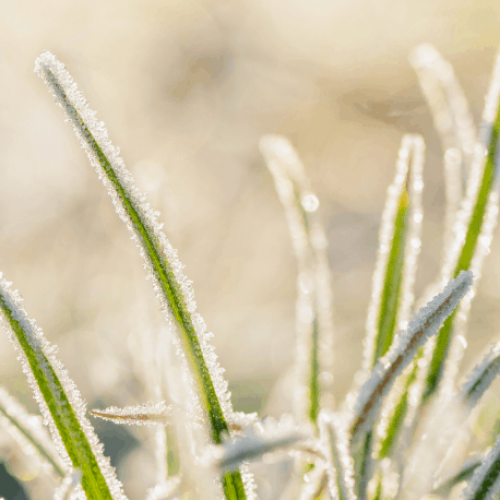
During winter, cool-season grasses enter a natural survival state called dormancy. While top growth slows or stops altogether, the grass plant is still alive. Energy is conserved and stored in the root system, allowing turf to withstand cold temperatures and limited sunlight.
Dormant grass care isn’t about active growth — it’s about protecting those roots and preserving stored nutrients. The healthier your lawn is going into winter, the better prepared it will be to wake up strong when conditions improve.
Snow Mold Risks: A Hidden Winter Threat
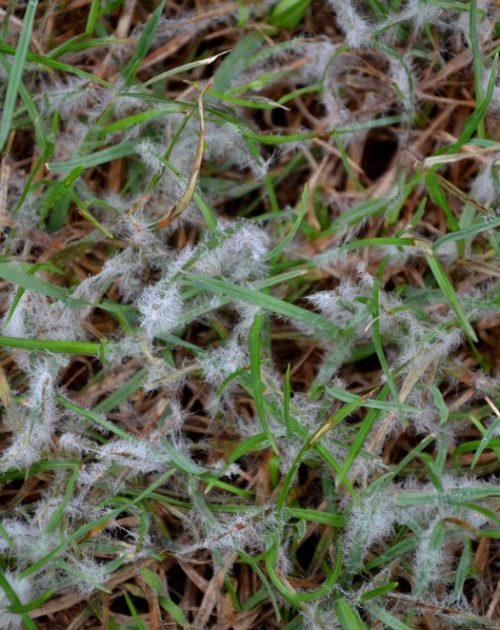
Snow can help insulate your lawn from extreme cold, but prolonged moisture under snow cover can create the perfect environment for fungal diseases like snow mold. This disease often isn’t noticed until spring, when circular patches of matted, discolored grass appear.
You can reduce snow mold risk by:
- Removing leaves and debris before snowfall
- Avoiding excessive late-season nitrogen that encourages tender growth
- Maintaining proper mowing height before winter
Preventative care in fall plays a critical role in minimizing winter lawn damage.
Why Winter Damage Shows Up in Spring
Many spring lawn problems actually begin months earlier. Ice buildup, excess moisture, foot traffic on frozen turf, and disease pressure can weaken grass during dormancy. When spring arrives, damaged lawns may green up slowly, appear thin, or struggle to compete with weeds.
That’s why lawn care winter tips focus less on what you do during snowfall and more on how well your lawn was prepared beforehand. Strong roots and balanced soil nutrition help grass recover faster and more evenly in spring.
Fertilization Programs Are Planned Months in Advance
Effective winter lawn care starts long before winter weather arrives. Professional lawn care programs are designed with the entire year in mind — especially fall applications that support root development and nutrient storage.
At ExperiGreen Lawn Care, fertilization and soil health plans are customized to your lawn’s needs, helping:
- Strengthen roots before dormancy
- Store nutrients for early spring green-up
- Avoid excessive top growth that can increase disease risk
- Improve long-term soil health for consistent results year after year
This proactive approach ensures your lawn isn’t just surviving winter — it’s preparing for success.
The Bottom Line
Winter may look quiet on the surface, but your lawn is still working behind the scenes. Understanding dormant grass care, preventing winter disease, and investing in a well-planned fertilization program can make all the difference once spring arrives.
Smart lawn care doesn’t start in spring — it starts with planning. With ExperiGreen’s professional approach to soil health and seasonal timing, your lawn is cared for even when it’s resting beneath the snow.