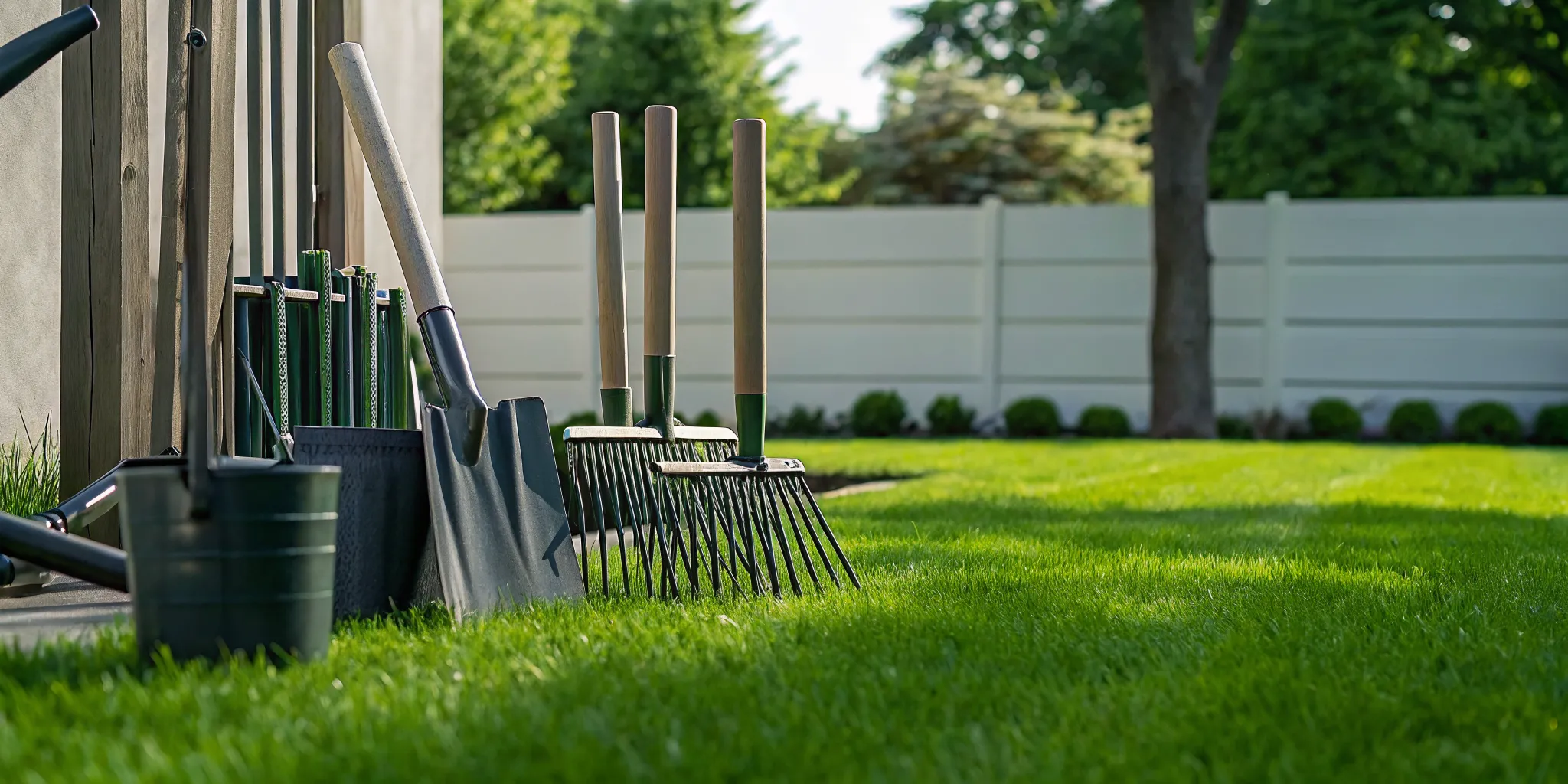
Midwest winters often leave yards looking brown, matted, and lifeless once the snow finally melts away. These signs of sleep are a natural part of the yearly cycle for local turf. Taking the right steps now helps your grass return with thick, green growth.
Spring lawn care in the Midwest begins with clearing debris and checking your yard for winter damage before you start tasks like raking dead growth or testing soil health. Proper timing is vital because acting too early can stop root growth. And University of Illinois Extension suggests avoiding heavy feeding in early spring to protect your lawn’s root system.
Apply weed control when soil temps reach 50 degrees. This stops crabgrass from taking over your yard before summer heat arrives. A full checklist also includes sharpening mower blades, mowing at a height of three to four inches. And aerating tight soil to help your grass stay strong all year.
Every great yard depends on matching your work to the local climate, so you can get better results by learning how to handle our region.
The first step in your plan is knowing when to start spring lawn care in the Midwest. Here is how you can find the best date to begin.
When Should You Start Spring Lawn Care in the Midwest?
Timing is a vital part of spring lawn care in the Midwest. Starting too early can hurt wet soil, but waiting too long may let weeds take over. Homeowners should check soil temperature rather than the date. Most grass growth starts when soil heat hits 50 degrees.
Watch the soil heat
Checking soil heat helps you time your first yard tasks. Cool-season grasses like bluegrass and fescue start to grow when the ground warms to 50 degrees. This heat level is also a key sign for other steps. For example, some experts suggest using crabgrass preventer when soil heat is near 50 or 51 degrees. Watering the product in after you apply it helps it work well in the soil.
Soil heat is more steady than air heat. A few warm March days do not mean the ground is ready for foot traffic. Working on frozen turf packs the soil down and blocks air and water from reaching roots. Waiting for the right soil heat helps your yard heal from winter stress.
Learn about local timing shifts
The Midwest covers a large area with many climate zones. Homeowners in cities like Cincinnati and Columbus often see spring growth two weeks before those in Detroit or South Bend. If you live in northern Indiana or Michigan, your spring lawn care will start later than in southern Ohio. It is best to fix your plan for your city rather than following a big regional guide.
Local weather also plays a large role. A late snow or long rain can slow the growth season for the whole area. ExperiGreen uses local expertise to time feeding and weed control for each place. Knowing your zone helps avoid mistakes like seeding or feeding too early.
Avoid early season errors
One common error is fertilizing as soon as the snow melts. Early feeding forces leaf growth but hurts the roots. The University of Illinois Extension notes that fertilizers help top growth but can stunt root systems. Wait until you have mowed once or twice before starting a full feeding plan.
Fixing tools and cleaning up is a better way to spend early spring weeks. Clearing sticks and old leaves helps stop mold and lets the soil dry. You should also take this time to sharpen your mower blades. Sharp blades make clean cuts that help the grass heal fast and stay safe from disease. By waiting for the right signs, you give your yard the best chance to stay green through the summer heat.
Clean Up Winter Damage and Debris
After the snow melts, your lawn may look brown and messy. This is normal after a long Midwest winter. The first step is a good cleanup. Clearing debris helps your grass breathe as the sun warms the soil, leading to a better green-up later.
Clear Out Debris and Thatch
Start by raking your whole yard once the ground is dry. Pull up dead leaves, twigs, and matted grass to clear thatch and let air reach the roots. UConn experts note that raking stops new growth from being smothered. This task also reveals the soil surface health and whether the ground needs more care.
Spot and Fix Winter Damage
As you clean, look for gray or pink fuzz on the grass (snow mold). Gray mold usually clears with raking. Pink mold can kill the grass. Watch for vole runways in the turf. Voles eat grass crowns under the snow, and if the crowns are gone, the grass will not grow back. Check driveway edges for salt damage and flush these spots with water to help the roots recover.
- Rake up all old leaves and branches to give your grass room to grow and reach the sun.
- Fluff up matted grass patches to stop fungal growth like snow mold that thrives in wet spots.
- Look for vole tunnels and rake them out to see if the roots are still alive or if you need to seed.
- Wash down areas near sidewalks with water to clear out left over road salt that stunts spring growth.
- Check for packed soil and schedule lawn aeration to help food and water reach the deep roots.
A clean yard makes it easier to see what your lawn needs next. If you see large bare spots from salt or voles, you might need to add new seed later. For now, focus on getting the soil clear and ready for the sun to do its work. Proper cleanup sets the stage for a lush, green lawn all summer long. You will be glad you did the hard work now when your yard is the best on the block.
Why Should You Test Your Soil Before Fertilizing?
Before you spread food on your yard, you must know what the dirt needs. Many people guess when they start their spring lawn care. They buy bags of feed without a plan. This often leads to waste or even hurts the grass. A simple test tells you which food is missing from your yard. It also shows if your soil has the right balance to help roots grow strong. Starting with clear facts is the best way to get a lush lawn in the Midwest.
Soil pH Levels
The acid level of your soil is a key part of turf health. Most grass types in our region grow best when the soil pH is between 6.0 and 7.0. If the pH is too low, the soil is too acidic. If it is too high, it is too alkaline. When the pH is off, your grass cannot take in the food you give it. A test helps you find this number so you can fix it. You might need to add lime to raise the pH or sulfur to lower it. This ensures that every drop of feed you use can reach the roots. By testing in early spring, you have time to make changes before the main growing season starts.
Benefits of Testing
A soil test also checks for phosphorus and potassium, key parts of a healthy fertilization and weed control program. Knowing these levels avoids over-application, which can wash into local waterways or build up salts that stunt growth. Testing saves money by only buying what your yard needs.
Extension Office Resources
You do not need to be an expert to test your yard. Most local University Extension offices offer low-cost soil tests. To start, take small scoops of dirt from ten different spots in your lawn. Dig down about four inches for each scoop. This gives the lab a good look at the root zone where the grass gets its food. Mix these scoops in a bucket so the sample shows a good mix of your whole yard. Mail a small bag of this dirt to the lab for a report.
In a few weeks, you will get a roadmap for your lawn. This report tells you how to feed your grass for the best results. It may suggest a specific mix of nitrogen, phosphorus, and potassium. Taking this step in early spring sets a strong base for the year. It ensures your lawn has the right mix of food to thrive. A little work now leads to a better lawn all season long.

Fertilize on the Right Spring Schedule
When to start your first feeding
Feeding your yard at the right time is a key part of spring lawn care. Many people want to start as soon as the snow melts, but you should wait for the ground to warm up. Most cool-season grasses start to grow when soil temperatures reach 50 degrees Fahrenheit. If you use an organic fertilizer, wait until the ground stays above this mark for a few days. Soil microbes need this heat to break down organic matter and feed the grass roots. You can track local soil heat levels through resources like the University of Connecticut extension. Waiting for the right heat level ensures that your grass can use the food you give it.
Applying fertilizer too early can hurt your lawn. Heavy nitrogen use in the early spring forces the plant to focus on green leafy growth. This happens at the expense of the root system, which is still waking up from winter sleep. Experts at the University of Illinois suggest that avoiding early feeding helps your grass build deep, strong roots. These roots are vital for surviving the hot and dry summer months that follow. A slow and steady start ensures your lawn has the energy it needs for the entire growing year. It is better to have a strong base than just a green top.
How to read fertilizer bags and types
When you buy a bag of fertilizer, you will see three numbers on the front, such as 20-5-10. These represent the N-P-K ratio, which stands for nitrogen, phosphorus, and potassium. Nitrogen helps with green growth and dark color. Phosphorus supports root health, while potassium helps with overall plant strength and health. For a standard spring fertilization schedule, a mix with higher nitrogen is common to wake up the turf. Always check the bag to see the exact amount of each part. This helps you know exactly what you are putting on your soil.
Choose between quick-release and slow-release fertilizers. Quick-release gives a fast color boost but does not last. Slow-release options break down over weeks, providing steady food and reducing burn risk. Always follow label instructions to protect your grass and local water supply.
A steady plan for a healthy lawn
A steady plan is the secret to a thick, green lawn that resists weeds and pests. Space feedings 6 to 8 weeks apart to prevent runoff and maintain even growth. This avoids gaps where weeds can take hold in thin spots.
For the best results, look for parts that improve soil health along with the grass blades. At ExperiGreen, we use natural products that include amino acids and sea plant extracts. We also add helpful bacteria to the soil to help build a strong habitat for growth. These parts help your lawn absorb food more easily and stay strong against heat stress. If you find the process of testing soil and timing feedings to be a chore, consider professional lawn fertilizer services. Expert help ensures your yard gets the right food at the right time for your local Midwest climate.
Apply Pre-Emergent Herbicide at the Right Time
Stopping crabgrass before it starts is a key part of spring lawn care. Pre-emergent herbicide creates a shield in the soil that stops weed seeds from growing into full plants. However, this shield only works if you put it down before the seeds wake up. In the Midwest, this often happens when soil temps stay between 50 and 55 degrees for a few days. If you apply the product too early, it may break down before the weeds arrive. If you wait until you see green weeds in your lawn, the seeds have already started to grow and the product will not stop them.
Watch the soil temperature
Soil temperature is a better guide than the calendar for weed control. Cities like Chicago and Detroit hit these marks at different times each year. Experts suggest applying crabgrass preventer when soil temps reach about 50 to 51 degrees to catch the start of the season. You can use a simple probe or check local weather data to find the best time for your yard. Proper timing ensures the shield is at full strength right as the first annual weeds try to take root.
Avoid combined products
Many people use a weed and feed product to save time, but this often leads to poor results. These tools mix fertilizer with weed killers, but the best time to feed your grass is rarely the same as the best time to block weeds. According to the University of Illinois Extension, these combo products often sacrifice the best timing for one of the tasks. To get a thick and healthy lawn, it is better to treat these as two separate steps. You can learn more about a professional fertilization and weed control program to keep your yard looking its best all year.
Protect your lawn from annual weeds
Annual weeds like crabgrass compete with your grass for water, sun, and food. A well-timed pre-emergent keeps your lawn thick and reduces summer maintenance. Blocking these pests early gives your grass space to grow deep roots and stay green through the hot months.
Mow High and Mow Often: Spring Mowing Best Practices
Your spring mowing routine helps your turf grow thick and keeps weeds away. Cool-season grasses in the Midwest do best at the right height. Setting your mower high early in the year protects the roots and keeps the soil cool as the weather warms.
Find the Best Mowing Height
Most lawns in the Midwest use cool-season grass. The University of Illinois Extension recommends keeping them 2 to 3 inches tall. For turf-type tall fescue, aim for 3 to 4 inches.
Setting your mower to its top notch is often the best move for a spring lawn. Tall grass has deep roots and can shade out weed seeds before they sprout. If you are not sure when to start mowing, wait until the grass is 3 or 4 inches tall. This ensures the plant is ready for its first cut of the year.
Follow the One-Third Rule
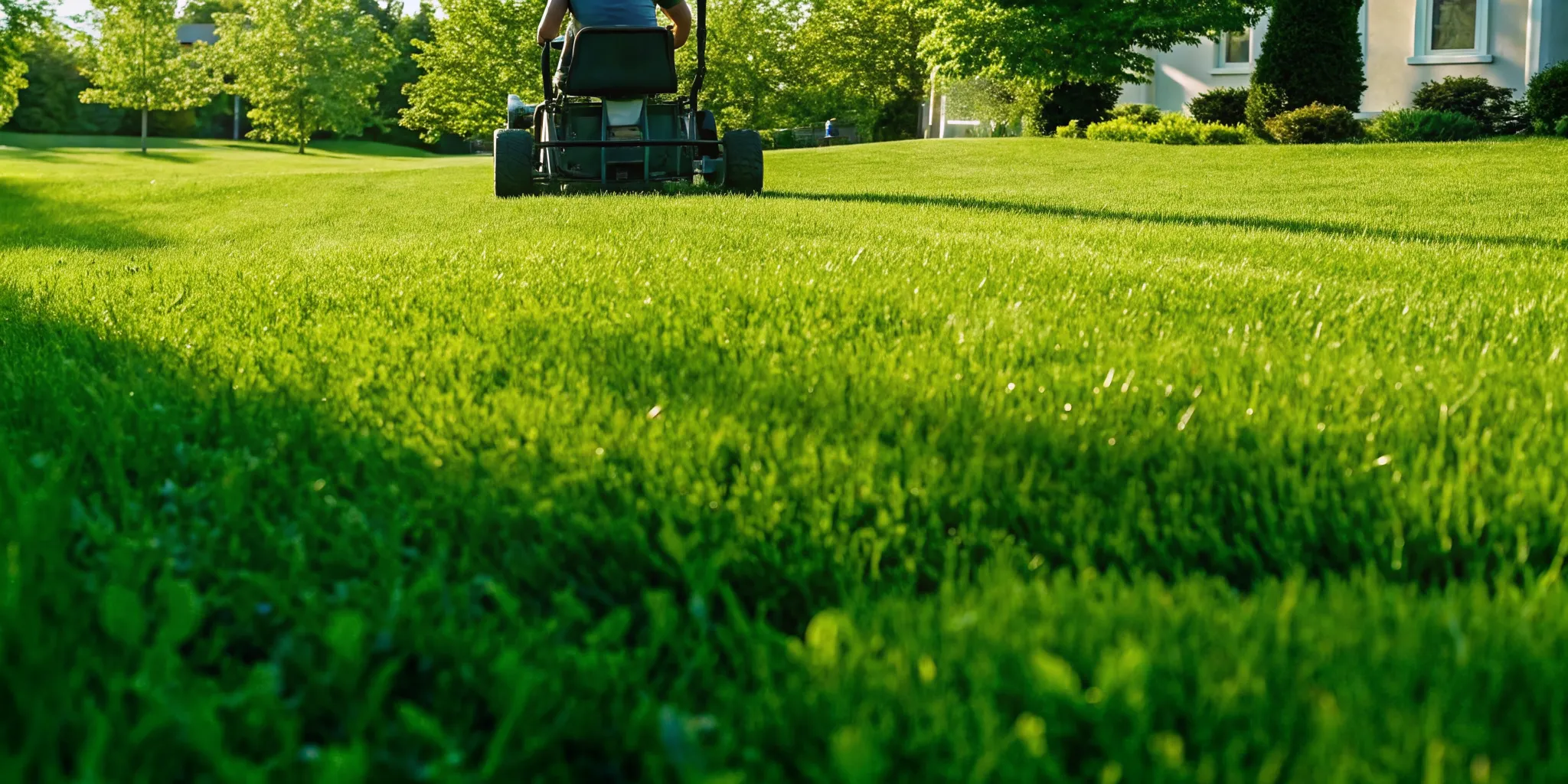
One of the most vital rules of mowing is to never cut off too much of the grass blade at once. You should never remove more than one-third of the leaf in a single day. Cutting too much can shock the plant and make it weak. This is why you must mow more often when the grass grows fast in the spring. If you miss a week, raise the mower deck rather than cutting the grass short.
Cutting your grass often also lets you leave the clippings on the lawn. These small pieces of grass break down fast and return food to the soil. Experts at Iowa State University say that clippings help feed your yard. This acts like a light dose of food for your grass every time you mow.
Maintain Your Mowing Gear
A clean cut is better than a rough tear. Keep your mower blades sharp to prevent turf damage. Dull blades rip the grass, leading to disease and brown tips. Sharpen mower blades once or twice a year. Check your blade in early spring to stay ready.
Make sure your mower deck is clear of old dirt. Clean gear runs better and prevents the spread of lawn pests. Taking care of your mower now will save you time and money. If your lawn needs more than just a trim, look into professional lawn care services. Experts can help get your grass on the right track for the hot summer months.
DIY vs. Professional Spring Lawn Care: What Makes Sense for You
Deciding between a DIY approach and a professional service for spring lawn care depends on your goals, budget, and free time. Many homeowners enjoy the physical work of tending to their yard on weekends. However, the costs of equipment and premium products can add up quickly. A healthy yard is more than just a hobby; it is a financial asset. In fact, a well-kept landscape can represent 15% of a property’s total value. Choosing the right path ensures you protect that investment while achieving the best possible results.
Consider the time and effort
Taking care of a lawn requires a large time commitment during the busy spring season. A full checklist includes raking, soil testing, seeding, and several rounds of treatments. Missing a key window for weed control or feeding can cause your grass to struggle all summer. Professional teams have the tools and staff to handle these jobs fast, freeing up your weekends.
Access to premium products and expertise
Professional services have access to commercial-grade materials that provide better soil health and plant growth. ExperiGreen uses natural products containing amino acids, sea plant extracts, and beneficial bacteria that build strong root systems from the ground up. Professionals also know exactly when to apply each treatment based on local soil temps and weather patterns.
| Feature | DIY Lawn Care | Professional Service |
|---|---|---|
| Time Commitment | High. Requires weekends and evenings. | Minimal. Zero labor for you. |
| Equipment Cost | Expensive to buy and maintain. | Included in the service plan. |
| Product Quality | Standard retail options. | Commercial-grade custom blends. |
| Application Timing | Based on your free time. | Based on soil and weather data. |
| Results and Guarantee | No guarantee on your own work. | Service warranty and satisfaction. |
Risk of common DIY mistakes
Working on your own lawn carries some risks that can lead to costly damage. It is easy to apply too much fertilizer, which can burn the grass or lead to run-off. Experts at the University of Illinois extension note that early feeding can even stunt root growth if timed wrong. Using the wrong product at the wrong time may also fail to stop weeds like crabgrass. A professional fertilization and weed control program avoids these errors. Experts ensure that every treatment is safe and effective for your specific grass type.
Comprehensive care for total health
A great lawn needs more than occasional fertilizer. True health comes from a full plan that covers every need throughout the year. This includes lawn aeration to reduce soil compaction and grub prevention to stop pest damage before it starts. This total approach leads to a thicker, greener lawn through the summer heat.
Check the cost of professional lawn care through a free quote. Expert help ensures your yard gets the care it needs without the stress of doing it yourself.
Frequently Asked Questions
When is the best time to start spring lawn care?
You should start your lawn care once the soil stays at 50 degrees Fahrenheit. This temperature triggers grass growth in the Midwest. Starting too soon on wet soil can pack the dirt down and hurt new roots. Wait until the ground is firm and dry enough to walk on without leaving deep prints. Most homeowners in cities like Chicago or Detroit see this change in mid to late spring.
Do I need to fertilize my lawn in early spring?
It is often best to wait to fertilize until your grass is growing fast. Early feeding can cause quick top growth while the roots stay weak. According to the University of Illinois, too much early food may stunt root health. Focus on cleaning up debris first. Once the lawn turns green and you have mowed it at least once, you can safely apply a balanced fertilizer.
What is the proper mowing height for spring?
You should set your mower to a high setting of 3 to 4 inches for the first few cuts. Keeping the grass tall helps it grow deep roots and shades the soil to stop weeds. Never cut more than one-third of the grass blade at a single time to avoid stress. Sharp blades are also key. As noted by Iowa State University, dull blades tear the grass and can lead to plant disease.
When should I apply pre-emergent for weeds?
Apply pre-emergent weed control when the soil temperature hits 50 to 55 degrees for several days. This timing is vital for stopping crabgrass before it sprouts. In many Midwest areas, this happens around the same time that forsythia bushes start to bloom. If you wait too long and the weeds appear, the treatment will not work. Be sure to water the product into the soil after you put it down.
Does my lawn need aeration in the spring?
Your lawn might need aeration if the soil is hard and water does not soak in well. While fall is the best time for this in the Midwest, spring is a good second choice. It helps air, water, and food reach the roots of the grass. This is very helpful for yards with heavy clay soil or high foot traffic. It is best to aerate when the grass is growing fast so it can heal quickly.
ExperiGreen serves homeowners in Chicago, Charlotte, Canton/Akron, Cincinnati, Columbus, Detroit, Indianapolis, South Bend, and more.
Ready to Get Your Best Lawn This Spring?
Waiting too long to start your lawn care can lead to a yard full of weeds and thin grass. Once the summer heat hits, it is much harder to fix these problems. Starting your spring checklist now gives your turf the best chance to grow thick and green before the sun gets too hot. You will save time and money by stopping issues before they start. A healthy lawn also adds value to your home and gives your family a great place to play all season long. Midwest weather is not always easy to predict, so getting a head start is the best way to stay on top of your lawn’s needs. Our team ensures that every step of your spring checklist is done at the right time for your local climate.
Ready to request? Get a FREE Quote to schedule expert spring lawn care.