
A thick swarm of hungry mosquitoes can quickly ruin any warm summer evening in your yard. The humid climate and seasonal rains across the Midwest create ideal conditions for these pests to breed rapidly in suburban lawns.
Stop mosquitoes before they take over your yard. Schedule a free consultation with ExperiGreen today.
An effective mosquito control lawn strategy requires an integrated approach that targets these pests at every stage of their life cycle. According to the U.S. Environmental Protection Agency, a successful program combines breeding site reduction with targeted larvicides and adulticides. Eliminating pools of standing water removes the places where they lay eggs, while professional barrier sprays control mature insects where they rest. By treating both larvae and adults, homeowners can dramatically decrease pest numbers and reclaim their outdoor living spaces safely.
Managing these persistent pests requires a clear understanding of why they choose your property. Midwest weather patterns, common breeding sites, and treatment timing all play a role. This guide covers everything you need to build a strong defense against mosquitoes in your yard.
Understanding the Mosquito Threat in Midwest Yards
Midwest summers bring warm weather, green grass, and outdoor fun. But the season also brings a major pest problem. Warm summer heat, frequent rain, and high humidity create the perfect storm for mosquitoes to thrive. Understanding why these pests love your lawn is the first step toward reclaiming your yard.
Why Midwest Climates Fuel Mosquito Populations
Midwest weather from late spring through summer is highly favorable for pests. Heavy rain leaves puddles and wet soil across suburban properties. When summer heat rises, this moisture turns into a breeding ground. Mosquitoes require standing water to complete their life cycle, which makes wet lawns highly vulnerable. Homeowners often struggle with these pests in shaded areas, tall grass, and landscape beds. To learn more about seasonal pest habits, view our lawn pest control guide.
Common Mosquito Species and Local Health Risks
- Culex mosquitoes are a major concern because they can carry West Nile virus. They breed in stagnant water and are most active at dusk.
- Aedes mosquitoes are known for aggressive daytime biting. They can transmit Zika virus and dog heartworm.
- Anopheles mosquitoes are less common in the Midwest but can carry malaria in rare cases.
These pests are more than a nuisance that ruins outdoor gatherings. They pose real health risks to children, adults, and pets. In the Midwest, local health departments track these species closely to monitor disease spread and protect communities.
The Fast Pace of Lawn Breeding Cycles
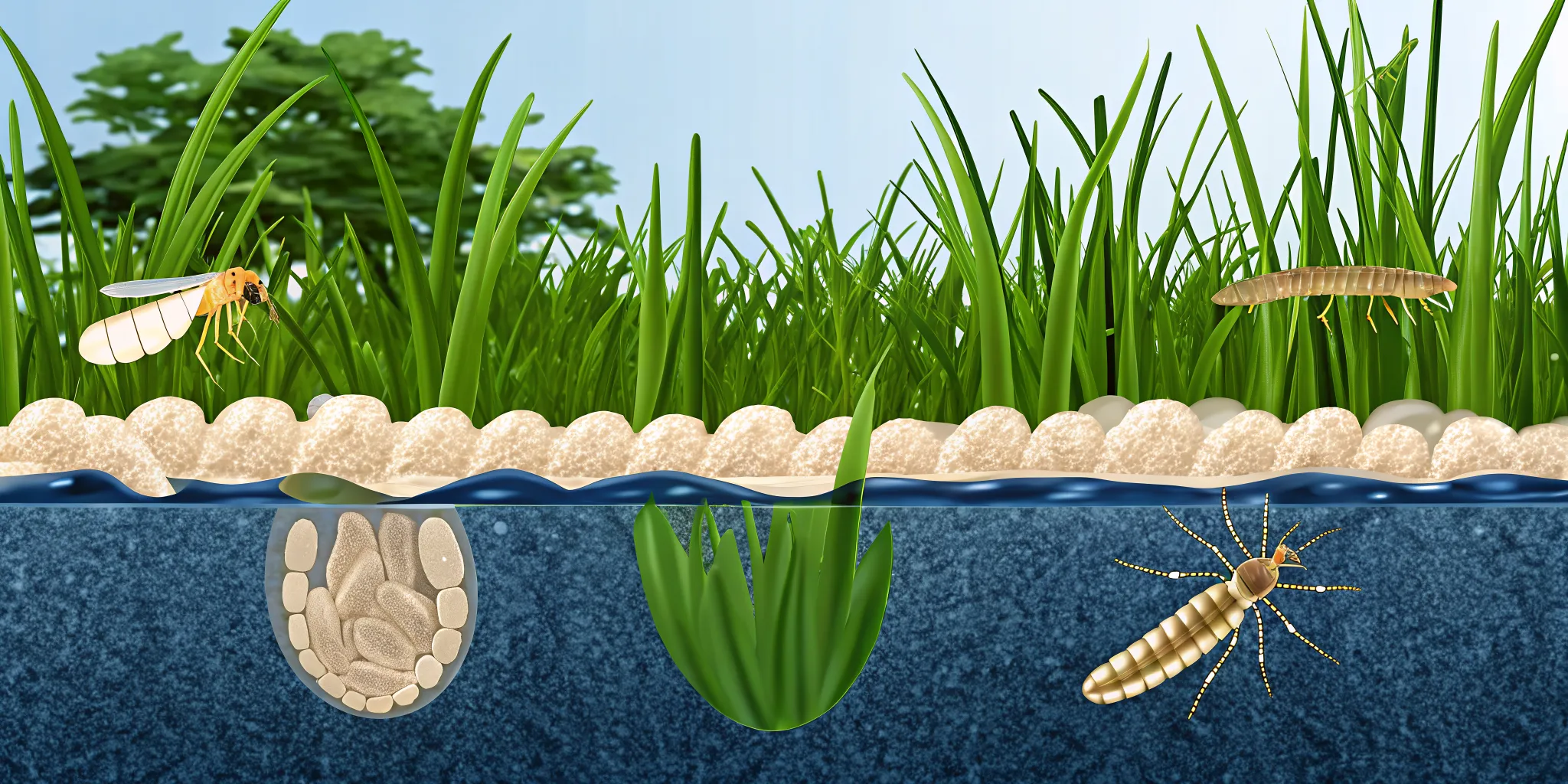
Mosquitoes multiply at an alarming rate once warm weather arrives. Here is a quick breakdown of their growth timeline:
- Egg laying: Female mosquitoes lay eggs on or near standing water. A single female can lay 100-300 eggs per batch.
- Larval stage: Eggs hatch into larvae within 24-48 hours. Larvae live in water and feed on organic matter.
- Pupal stage: After 5-7 days, larvae transform into pupae. Pupae do not feed but remain in the water.
- Adult emergence: Fully developed adults emerge from the water within 24 hours. Females begin seeking a blood meal immediately.
This means even a brief rainy period can cause a population explosion on your property. Regular yard checks are critical to disrupt their life cycle before they mature.
Integrated Management as the Best Defense
Fighting these pests requires more than just a single spray. The U.S. Environmental Protection Agency notes that a successful mosquito control program uses an integrated approach, targeting different life stages of the mosquito. This method combines several key tactics:
- Source reduction: Eliminate standing water where mosquitoes lay eggs.
- Larval control: Apply larvicides to prevent larvae from maturing.
- Adult control: Use barrier sprays to kill resting adult mosquitoes.
- Ongoing monitoring: Inspect your property regularly for new breeding sites.
Combining these efforts is the most reliable way to maintain a comfortable, pest-free outdoor space.
How Do Mosquitoes Breed in Your Lawn?
To stop mosquitoes, you must first know how they grow and where they hide. Most of the mosquitoes that bite you are born right on your property. Knowing their breeding habits is the first step toward better lawn pest control.
The Fast Weekly Lifecycle
Mosquitoes have a very quick growth cycle. They start as eggs, turn into larvae, become pupae, and then emerge as flying adults. This whole process happens in water. Female pests lay their eggs directly on wet surfaces or in water pools. It takes about one week for mosquitoes to develop from egg to adult in standing water, according to lawn care experts. Because they grow so fast, a tiny puddle can produce thousands of new pests in just a few days.
Where Standing Water Collects in Your Yard
Water is the single most important factor for these pests. Mosquitoes require standing water to lay their eggs and complete their life cycle. Without water, their eggs cannot hatch. In a typical Midwest yard, water collects in many hidden spots:
- Clogged gutters and downspouts
- Bird baths and garden fountains
- Flower pot saucers and plant trays
- Low spots in the lawn that hold rain
- Old tires, buckets, and children’s toys
- Wet leaf piles and dense shrubbery
- Uncovered trash cans and recycling bins
Regular yard cleanup helps remove these water sources to stop the pests before they start.
Larvicides as First Line Defense
To control these pests, you must target them before they can fly. Larvicides target mosquitoes in their breeding habitats while they are in the larval stage, according to guidelines from the EPA. These treatments stop the young larvae from turning into biting adults. Using larvicides in areas with standing water is a highly effective way to keep populations down. Homeowners can use simple dunks or granular products in wet spots to treat larvae early.
DIY Sprays, Granules, and Barrier Options
Many homeowners start their fight against lawn pests by visiting a local home improvement store. You can buy many products off the shelf, including liquid sprays, foggers, granular options, and solid larvicide dunks. Understanding how these tools work is the first step in planning your lawn pest control program.
Larvicide Dunks and Larvae Control
One of the most effective retail options targets mosquitoes before they fly. Small, donut-shaped dunks use a natural bacterium called Bti (Bacillus thuringiensis israelensis). When placed in standing water, these dunks dissolve and release the bacteria. The Bti disrupts the larvae digestive system, which causes them to die of starvation before they mature. According to federal assessments, these EPA-approved larvicides do not pose health risks to children or pregnant women when you use them according to the package label.
Yard Sprays and Granular Barriers
To treat adult pests, homeowners often use liquid hose-end sprays or granular products. Yard sprays coat the lower leaves of shrubs and plants to kill active pests on contact. For your grass and flower beds, granular treatments can be applied to turf and landscaped areas to create a protective barrier. These granules release active chemicals slowly when it rains or when you water your lawn. This helps to deter pests from resting in your grass during the hot parts of the day.
The Limits of DIY Treatments
While retail products can help, they often fall short during heavy infestations:
- Short residual: Store-bought sprays and foggers lack the staying power of professional products. They may only work for a few days.
- Uneven coverage: Standard lawn equipment cannot match the fine, even coverage of commercial systems. This leaves gaps where pests can hide.
- Neighbor migration: If you only treat your own yard, mosquitoes will still fly in from neighboring areas.
- Weak formulas: Retail products use lower-concentration active ingredients that pests can more easily withstand.
Professional Mosquito Treatment vs. Store-Bought Solutions
Homeowners often try to deal with annoying pests on their own. But when you want to protect your family, you must look at how DIY options stack up against expert care. Knowing the differences in tools, products, and methods can help you choose the best way to maintain a pest-free yard.
| Criteria | Store-Bought DIY Solutions | Professional Barrier Treatments |
|---|---|---|
| Coverage Area | Small spots and limited perimeter spray | Full yard coverage including high-risk resting sites |
| Residual Duration | A few hours to several days | Multi-week residual protection |
| Active Ingredients | Low-concentration retail formulas | EPA-evaluated synthetic pyrethroids like permethrin |
| Application Quality | Handheld pump sprayers or retail foggers | Commercial ULV sprayers with target-zone mapping |
| Cost-Effectiveness | Low upfront cost but frequent re-purchases | Higher seasonal value with guaranteed coverage |
Residual Protection and Coverage
Store-bought sprays often only work for a few hours or days. They cover small spots but fail to protect the whole yard. In contrast, expert mosquito control lawn services use specialized tools to coat entire outdoor living spaces. These professional treatments last for weeks rather than days, even after heavy summer rains.
Targeted Methods and Active Ingredients
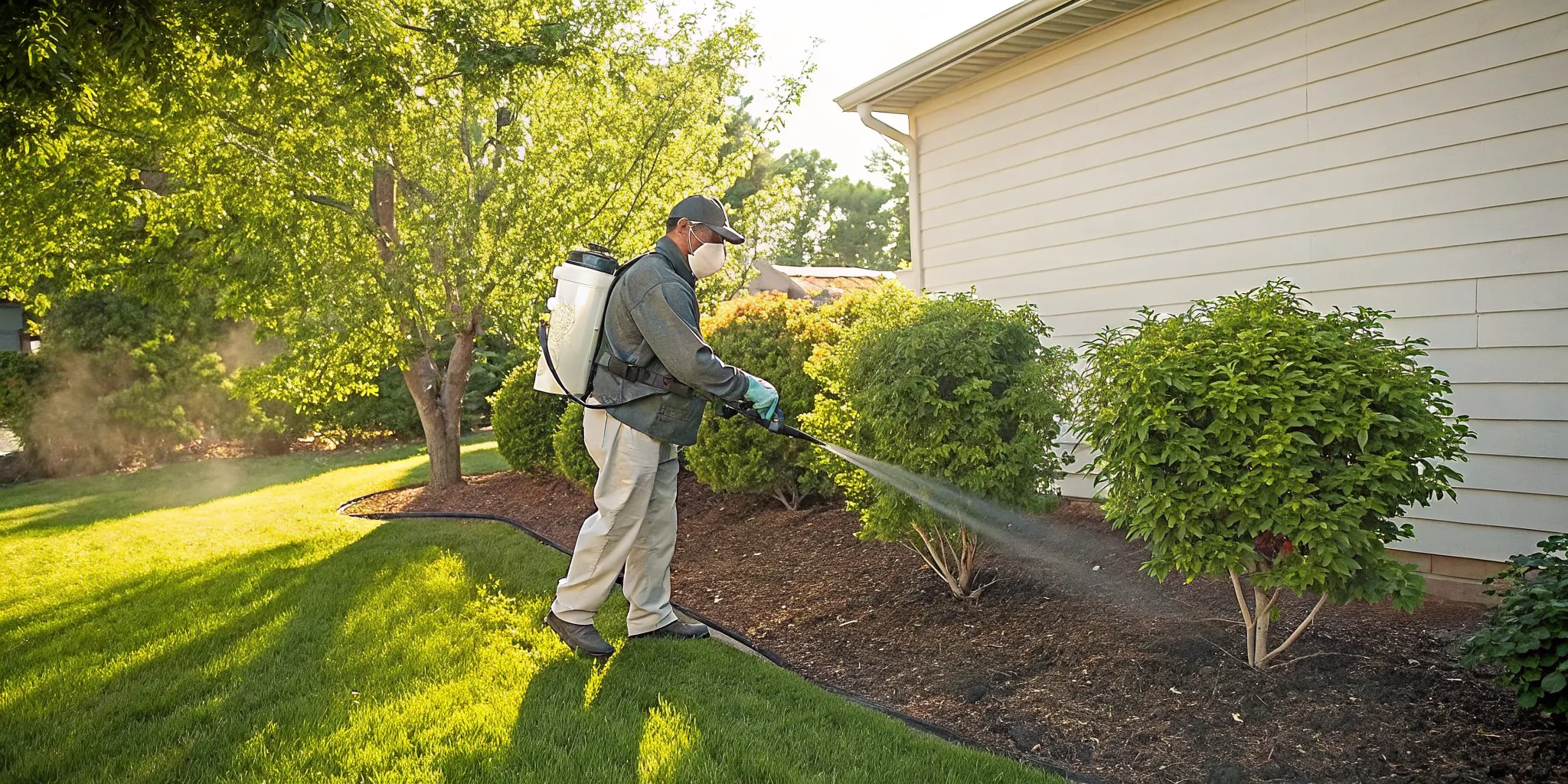
Most DIY products use weak formulas that pests can quickly escape. Experts apply commercial-grade adulticides to fight heavy infestations. According to the EPA, these adulticides are often applied via ultra-low volume (ULV) sprays. The most common active ingredients are synthetic pyrethroids like permethrin. Experts use these products to perform barrier treatments on dense vegetation and shaded areas where mosquitoes rest during the day.
The Value of an Integrated Program
A single DIY product cannot solve a major pest issue. Long-term success requires a complete plan. As outlined by the EPA, successful mosquito control uses an integrated approach that targets different life stages. This multi-faceted method combines source reduction, larval control, and adult barrier sprays to stop new pests from growing while quickly reducing the active adult population in your lawn.
When Should You Start Mosquito Treatment in the Midwest?
Homeowners in the Midwest know how quickly mosquito populations can rise when the weather turns warm. Because a mosquito can go from egg to adult in about one week, these pests can take over your yard before you know it. An integrated lawn plan is the best way to handle them.
Early Spring: The Prevention Window
Mosquito activity in states like Illinois, Ohio, and Michigan begins in the spring. Once outdoor temperatures reach a consistent 50 degrees Fahrenheit, overwintering eggs start to hatch. This early spring window is the perfect time to start your seasonal mosquito program:
- March-April: Clean gutters, remove standing water, and apply larvicide dunks to wet areas.
- April-May: Begin professional barrier treatments as temperatures climb above 50 degrees.
- May-June: Schedule follow-up treatments every 3-4 weeks through peak season.
Peak Season: June Through August
June through August are the peak months for mosquitoes in the Midwest. High heat and summer rain create ideal breeding conditions. To keep these bugs under control, a steady treatment schedule is needed. Learn about how often mosquito treatment is recommended to keep your yard safe during these busy summer weeks. Applying barrier sprays every three to four weeks keeps the bugs from taking over your outdoor living space.
Late Season: September Through October
As summer ends, do not stop your yard treatments too early. Late-season care is vital for reducing the number of mosquitoes you will see next spring. Female mosquitoes lay eggs in late autumn that can survive freezing winter temperatures. Applying a final treatment in the fall stops these eggs from surviving the cold. This simple step makes your spring mosquito control much easier.
Why Professional Barrier Treatments Deliver Better Results
Homeowners often try to fight pests on their own. But DIY methods do not always stop the problem. To get real relief, you need a plan that targets where these insects live and rest. Professional barrier treatments offer a stronger shield for your home and yard.
Targeting Where Mosquitoes Rest
Mosquitoes do not spend all their time flying. During the day, they rest in dark, shaded, and moist areas to avoid the hot sun. This includes thick shrubs, low tree branches, and the underside of decks. Trained professionals know how to find these spots. They apply liquid sprays directly to these plants and shaded zones, creating a strong barrier that kills active pests on contact and keeps new ones away.
Combining Liquids and Granules
A single spray does not protect your whole yard. Effective treatments use more than one tool. Along with liquid sprays, professionals use granular products on your grass. These granular treatments help control mosquito populations in the turf where they hide. Combining liquid sprays for tall plants with granules for the lawn gives you complete coverage at every level of your yard.
The Power of an Integrated Plan
The best way to control lawn pests is to use an integrated system. The EPA recommends an integrated approach that targets different life stages of the mosquito. By using mosquito control lawn services, you get a full plan. Technicians treat active adult pests and stop larvae from growing, giving you lasting yard protection.
How to Choose the Best Mosquito Control for Your Lawn
Every lawn is unique, and there is no single solution that fits all properties. Finding the right fit depends on your yard size, pest levels, and lifestyle. Most yards do best with an integrated approach that targets pests at multiple life stages. Here are the key factors to consider:
- Yard size: Small patios may clear with fans or screens, but large properties with dense trees need systematic treatment plans.
- Infestation level: Light pest pressure responds well to DIY larvicides, while heavy swarms require professional barrier sprays.
- Safety requirements: EPA-approved larvicides do not pose health risks to children or pregnant women when applied as directed.
- Time commitment: DIY requires weekly attention; professional programs handle everything on a recurring schedule.
If you want guaranteed results without the guesswork, explore mosquito control lawn services from ExperiGreen to build a custom plan that fits your exact yard needs.
ExperiGreen serves homeowners in Chicago, Charlotte, Canton/Akron, Cincinnati, Columbus, Detroit, Indianapolis, South Bend, and more.
Frequently Asked Questions
Is there anything I can put on my grass to keep mosquitoes away?
Yes, you can treat your grass with granular products to help control populations where mosquitoes hide. For stronger relief, professionals apply liquid barrier treatments to dense bushes and shaded resting spots. EPA-approved larvicides in standing water target larvae before they become flying adults and are safe for children and pets when used as directed.
How do I get rid of mosquitoes in my yard fast?
The fastest way to get relief is through professional liquid barrier sprays. Technicians apply adulticides to the underside of leaves and dark shaded zones where mosquitoes rest during the day. This knocks down active pests on contact and keeps working for weeks. Clear out standing water in gutters, pots, or toys for a complete solution.
Does lawn aeration help with mosquito control?
Yes, lawn aeration helps by improving soil drainage and reducing standing water on your turf. Mosquitoes need standing water to breed, so better drainage makes your lawn less attractive to egg-laying females. Combined with professional barrier treatments, aeration supports a healthier, less pest-friendly yard.
What is the best mosquito control for large Midwest yards?
Large yards in the Midwest benefit most from an integrated program combining professional barrier sprays with granular turf treatments and standing water reduction. Properties over a half acre with dense trees or shrubs typically need commercial-grade equipment and recurring 3-4 week treatment cycles to maintain control throughout mosquito season.
How long do professional mosquito treatments last?
Professional mosquito barrier treatments typically provide effective control for 3-4 weeks, depending on weather conditions. Heavy rain may reduce residual duration, but professional-grade products last significantly longer than store-bought sprays. Most programs schedule treatments every three to four weeks during peak mosquito season.
Ready to Reclaim Your Yard From Mosquitoes?
You do not have to let mosquitoes control how you enjoy your outdoor space. An integrated mosquito control lawn plan that combines source reduction, larval treatment, and professional barrier sprays offers the most reliable protection for Midwest homeowners. With treatments every three to four weeks during peak season and early spring prevention, you can significantly reduce pest populations around your home.
Get started today. Schedule your free mosquito control consultation with ExperiGreen.