
Dormant grass moves its resources to the roots as soon as soil temperatures drop below fifty degrees. This shift makes fall the most important time for specialized lawn care. Handling these tasks now prevents costly damage when the snow finally melts.
Get your lawn winter-ready with ExperiGreen’s professional fall services. Schedule a free consultation today and give your grass the care it needs to survive the cold months ahead.
Fall lawn winterization is the process of preparing cool-season grasses for harsh winter weather through targeted mowing, feeding, and cleanup. This annual care protects the grass crown and helps roots grow deep before the ground freezes solid. A late-season winterizer fertilizer provides the nutrients grass needs to build strong cell walls and store vital energy for surviving snow cover and fighting diseases like snow mold.
Why Fall Lawn Winterization Sets Up Spring Success
Proper fall lawn winterization creates the conditions for a faster, healthier green-up in spring. By lowering mowing height, applying winterizer fertilizer, clearing leaves, and aerating compacted soil. You help cool-season grasses store energy in their crowns and develop deep root systems that withstand freeze-thaw cycles.
Most people in Chicago, Detroit, and Indianapolis see their grass stop growing as the cold sets in. They often think the work is done. But your lawn is not dead; it is just changing its focus. Proper fall lawn winterization creates the conditions for a fast green-up when the snow melts. By taking a few steps now, you make sure your grass stays strong through the harsh freeze-thaw cycles of winter.
How grass survives the cold
Cool-season grasses like Kentucky bluegrass and fescue often stay green late into the fall. Even if they look green during a mild winter, they are moving into a state of rest. During this time, the plant stops growing new blades and starts moving its food down to the roots. Experts at the University of Nebraska-Lincoln show that grass plants move these resources to their roots to help them live through the cold months.
This phase is vital for long-term health. The grass is not just sleeping; it is active and getting ready for the next year. Knowing what grass does beneath the snow during winter can help you see why fall care is so key. When you support this shift, you lower the risk of the grass dying off during a deep freeze.
Building a food store for spring
A big part of winter care is building up food stores. Your grass stores this energy in the crown. The crown is the base of the plant where the blades meet the roots.
These food stores act like a battery. They give the lawn the power it needs to start growing fast in the spring. Without these stores, the grass will be weak and thin, and weeds will have an easier time taking over.
Feeding the lawn in late fall helps build this food bank. Good winterizers help the roots grow deep into the soil before the ground freezes. This deep root system is what lets the lawn handle the stress of the coming cold. You can learn more about late-season fertilization programs that build strong roots through winterizer applications.
Stopping winter death and disease
Winter care also means changing how you cut the yard. As the year ends, you should slowly lower your mower height. The goal is to reach a final height of 2 to 2.5 inches. This length is short enough to stop the grass from matting down under heavy snow. Matting can lead to mold and other grass health issues. But it is still long enough to keep the base of the plant safe from the wind and frost.
When grass mats down, it creates a wet, dark space that mold loves. By keeping the blades short and clear of thick leaf piles, you let the lawn breathe. A clean, well-trimmed lawn is much less likely to face winterkill. This is when the base of the grass plant dies from ice or disease. Setting these habits now means your lawn will be ready to thrive once the soil warms up next year.
How Low to Mow: Adjusting Your Mowing Height for Fall
Lower your mower height gradually through fall to a final cut of 2 to 2.5 inches. This prevents grass from matting under snow and reduces snow mold risk. Stop mowing when soil temperatures stay below 50 degrees and grass growth stops, typically late October in Midwest markets like Chicago, Detroit, and Columbus.
Changing how you mow is a key part of fall lawn winterization. As the growing season ends, your grass needs a new kind of care. One of the best steps you can take is to change how low you cut your lawn. This helps the grass live through the cold times in the Midwest. If you live in cities like Chicago, South Bend, or Charlotte, getting your grass ready now will lead to a better lawn in the spring.
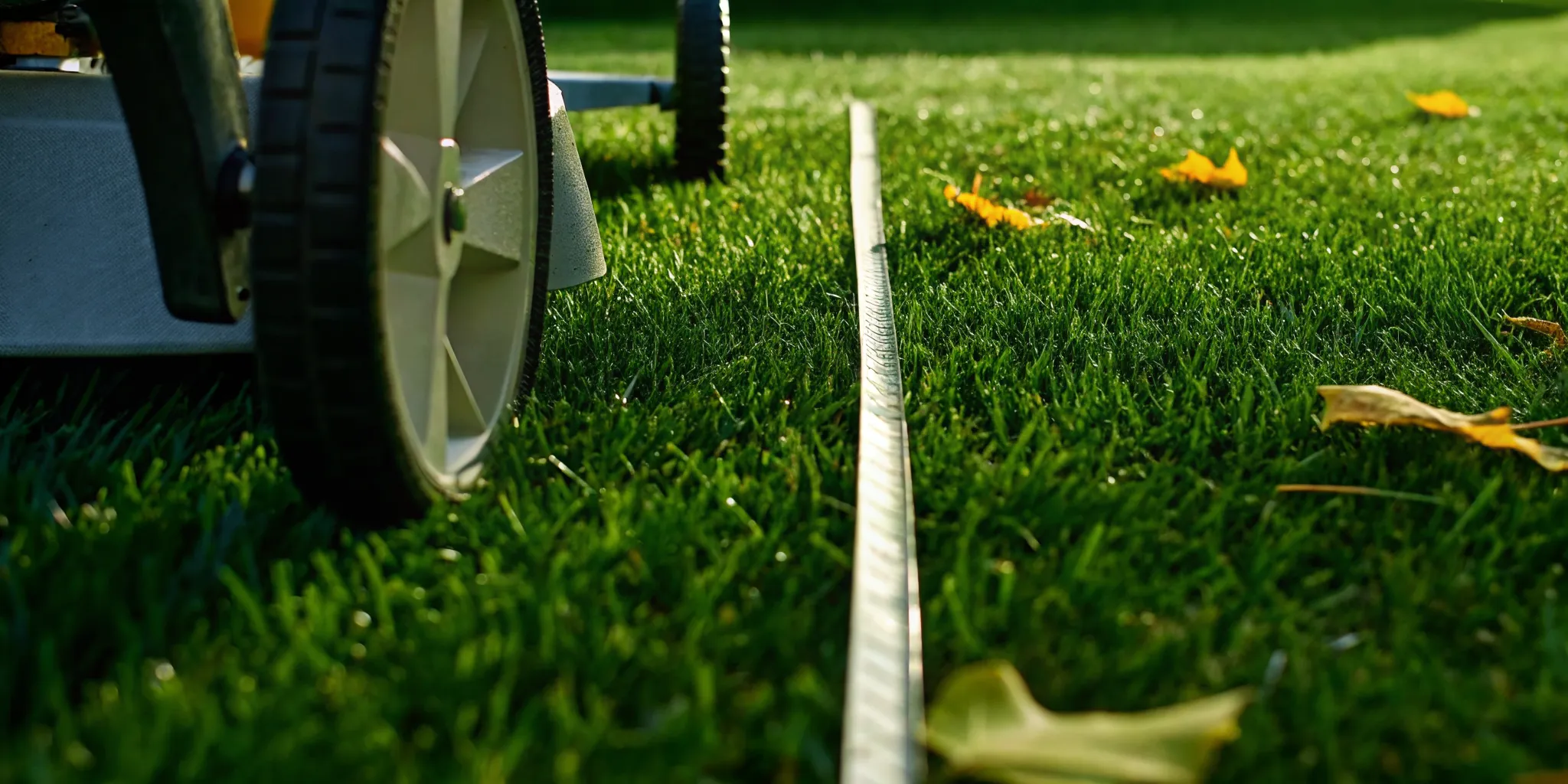
The benefits of a shorter cut
- Prevents matting. Taller grass bends under snow weight, creating a wet layer where snow mold thrives. Shorter grass stands up better and lets air circulate.
- Improves leaf cleanup. Shorter grass allows mulched leaf particles to fall between blades and reach the soil, where they decompose and return nutrients.
- Reduces vole habitat. Voles tunnel under matted, long grass and chew grass crowns. A shorter cut removes their cover.
- Easier final cleanup. A lawn cut to the right height is simpler to rake, blow, or mulch before the first snowfall.
You should start to lower your mower blade slowly as fall goes on. Do not cut the grass short in one day. Instead, lower the blade by one notch each week until you hit the right height.
Aim for a final cut of 2 to 2.5 inches. This is the best height for winter survival. It is short enough to stop the grass from laying flat under heavy snow.
When grass stays long and mats down, it holds water against the soil. This wet space is a perfect home for snow mold to grow and hurt your turf.
Mowing at this lower height also makes other fall jobs easier. For example, shorter grass lets you mulch leaves well with your mower. This gives food back to the soil.
If your grass is too long, the leaves can get stuck and choke the plants. Keeping your lawn at the right height ensures that light and air can still reach the soil. This is a key step in any comprehensive fall lawn care checklist that aims for a green yard next year.
Timing your final mow
You might wonder when you should give your lawn its last trim. The best guide is the heat of the soil. Grass growth slows a lot when soil temps stay below 50 degrees Fahrenheit.
Experts at turf schools, such as UNL, note that this is when the plant starts to store food for the winter. Once the grass stops growing, you should do your final mow. In cities like Detroit, Columbus, and Indianapolis, this usually happens by late October.
Protecting the grass crown
While a shorter cut is good, you must be careful not to scalp the lawn. Cutting your grass lower than 1.5 inches can be risky. The crown is the main part of the grass plant where roots and blades meet.
If you expose the crown to the air, the cold winter winds can dry it out and kill the plant. This is a common pain our teams see in Cincinnati and Canton. A height of 2 to 2.5 inches gives enough cover to protect this area.
This small change also keeps the roots safe from the freeze. By keeping the crown covered, your lawn can wake up strong in the spring.
Winterizer Fertilizer: The Last Feeding Your Lawn Needs
A winterizer fertilizer delivers nitrogen and potassium in late fall to build deep roots and strong cell walls. Apply from mid-October to mid-November, after grass stops growing but before the ground freezes. This final feeding stores energy in the grass crown for winter survival and rapid spring green-up.
Applying the right food at the end of the year is a key part of fall lawn winterization. While your grass may look like it is resting, the roots stay active as the top growth slows down. A winterizer is a special blend made to help this hidden growth phase. Unlike spring foods that push for green blades, this late-season feeding focuses on root strength and long-term health.
Building Deep Roots and Strong Cell Walls
The main goal of a winterizer product is to give nitrogen and potassium to the root zone. Nitrogen helps roots grow deep into the soil during the late fall. This deep root system helps the plant find water and food more easily when the weather turns dry or cold. At the same time, potassium helps build strong cell walls in the grass. These strong walls help the grass keep water and resist the stress of cold winds. You can find more facts on these blends through university turfgrass research sites.
This feeding is vital because cool-season grass stores food as sugars in the crown, or the base of the plant. These stored sugars act as a fuel tank for the winter. By building up these stores now, your lawn will have the energy it needs to live through the cold months. It also ensures that the grass can green up fast and grow thick as soon as the ground thaws in the spring.
Finding the Best Timing for Your Yard
Timing is the most vital part of fall lawn winterization. For homeowners in the Midwest, the best time to use these products is from mid-October to mid-November. You should apply the food after the grass has stopped growing but before the ground freezes solid. Applying it too early while the grass is tall might waste energy on new blades rather than root storage.
Local soil temps are a great guide for when to start your final feeding. Grass usually starts to store food when soil temps stay below 50 degrees. If you are not sure about the best plan for your area, professional fertilization and weed control programs can help. Local crews know exactly when to time these steps to match the climate shifts in cities like Chicago or Detroit.
Core Aeration and Overseeding: Fall’s One-Two Punch for Thicker Turf
Core aeration in early fall relieves soil compaction by pulling plugs of soil and thatch, allowing roots to breathe and water to penetrate. Overseeding immediately after aeration drops seed directly into the open holes for maximum germination. Together they produce thicker turf that withstands winter stress and greens up faster in spring.
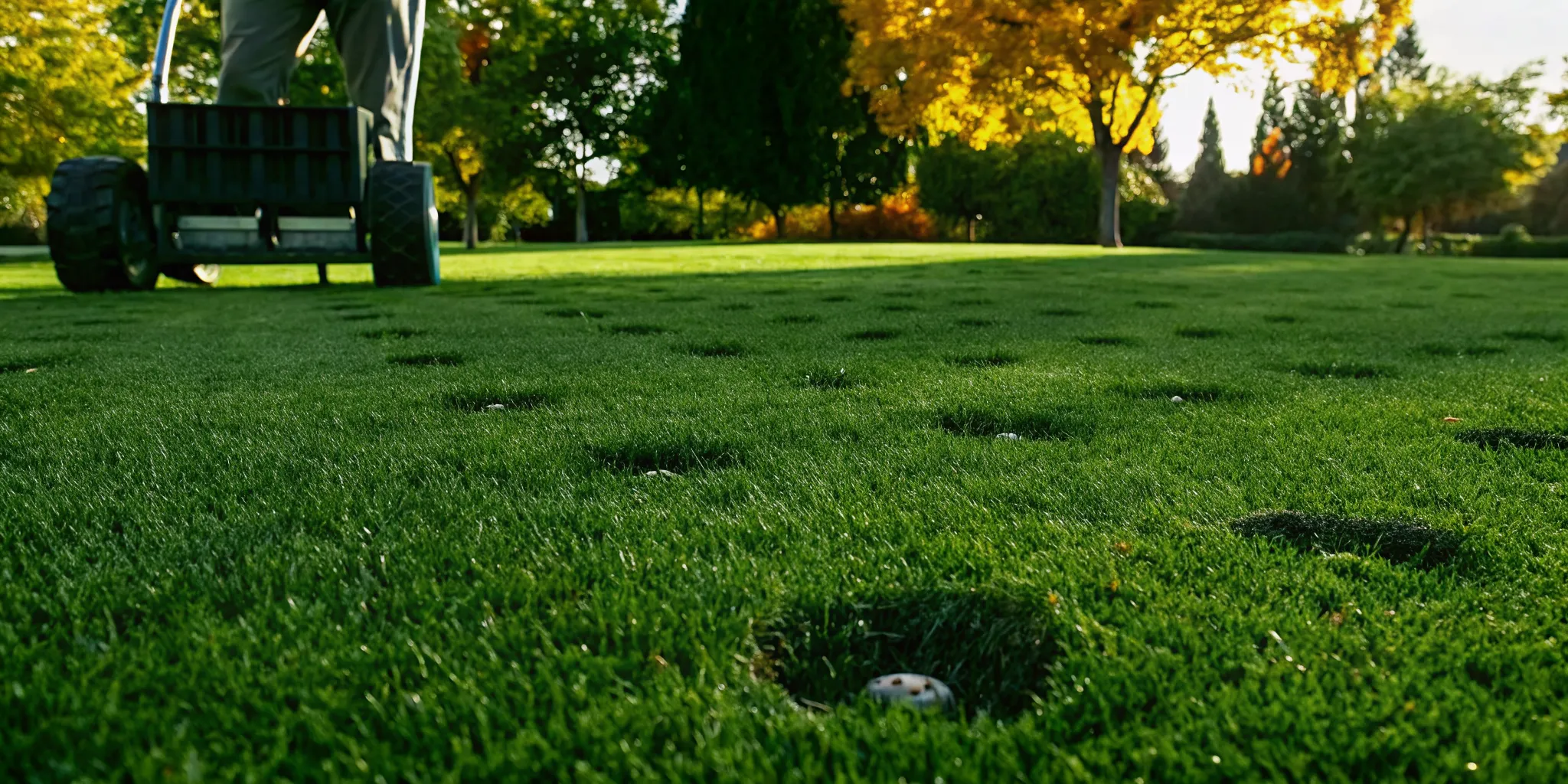
Fixing Packed Soil
Fall is the best time to help your lawn breathe after a long summer of heat and foot traffic. As kids play and pets run, the soil under your grass gets packed down tight. This state is called soil compaction. Fixing this packed soil is a key step in fall lawn winterization so your grass stays healthy.
Expert professional lawn care programs often start with aeration to fix this. Core aeration works by pulling small plugs of soil and thatch out of the ground. These plugs are usually about half an inch wide and three inches deep.
By taking these cores out, you create open spaces that let the roots stretch and grow deep. This also breaks up the layer of dead grass known as thatch. Keeping the soil loose is a key part of fall lawn care that prepares your turf for winter.
Thick Turf with New Seed
Once the soil is open, it is the perfect time to add new grass seed. This is called overseeding. Fall offers a great mix of warm soil and cool air, which helps new seeds sprout fast.
Often, fall rains also give the young grass the water it needs to get strong before the first frost hits. Strong new turf from fall seeding handles winter well and comes up quickly in the spring.
When you pair fall lawn repair and overseeding with aeration, the seeds fall directly into the holes. This seed-to-soil touch is vital for growth. A thick lawn crowds out weeds and holds onto water better.
Thatch Care and Aeration Types
Check for thatch growth in the early fall. Thatch is a layer of dead plant matter that sits between the green grass and the soil. If this layer is thicker than half an inch, it can cause problems.
Thick thatch raises the growing point of the grass above the soil. This leaves the plant open to freezing air and can kill the lawn during a hard winter. It also feeds tiny microbes that steal oxygen from the grass.
There are two main ways to aerate:
- Core aeration. A machine pulls physical plugs from the ground. Best for heavy clay soils and significant compaction.
- Liquid aeration. Spray-applied products break up soil particles at a microscopic level. Best for mild compaction and ongoing maintenance.
We often suggest that you alternate between these two each year to keep the soil loose. This simple step keeps your yard green and lush for years to come.
Leaf Cleanup: Should You Rake or Mulch This Fall?
Rake and remove leaves when the layer is thick enough to hide the grass. Mulch with a mower for light to moderate leaf coverage, making several dry passes so particles fall between grass blades. A clean lawn going into winter prevents snow mold and vole damage.
Fallen leaves may look picturesque, but left on the lawn they block sunlight and smother the grass. Wet leaves create the perfect environment for mold and pests. In Midwest markets like Chicago, Detroit, and Indianapolis, where deciduous trees drop heavy leaf loads through October and November, proper leaf management is a critical part of fall lawn winterization.
You have two good options: rake and remove, or mulch with a mulching mower. Raking is the right choice when the leaf layer is thick enough to hide the grass beneath. Heavy leaf coverage that stays wet through fall can lead to snow mold and attract voles that tunnel under the snow and chew grass crowns. Removing excess leaves eliminates these risks.
Mulching, however, is the more efficient choice for lighter leaf coverage. Running a mulching mower over leaves shreds them into fine pieces that decompose and return nutrients to the soil. ExperiGreen’s approach to sustainable lawn care supports this method: returning organic matter to the lawn naturally feeds the soil microbes and reduces the need for synthetic inputs. For the best results, mulch leaves when they are dry and make several passes so the pieces are small enough to fall between the grass blades.
| Factor | Raking and Removing | Mulching with Mower |
|---|---|---|
| Best for | Heavy leaf coverage that hides the grass | Light to moderate leaf layers |
| Nutrient return | Low (leaves removed from site) | High (organic matter decomposes into soil) |
| Snow mold risk | Lowest (no leaf material remains) | Low (fine particles decompose quickly) |
| Time required | High (manual or mechanical removal) | Low (one pass with mulching mower) |
| Best conditions | Wet or deep leaf piles | Dry leaves, multiple mower passes |
Whichever method you choose, keep the lawn clear through the final weeks of fall. A clean lawn going into winter is one of the simplest ways to prevent spring lawn problems. For a full list of seasonal tasks, see our ultimate fall lawn care checklist.
Adjusting Your Watering Schedule and Fall Weed Control
Reduce watering frequency in fall as grass growth slows, but continue deep watering during dry periods until soil temperatures stay below 40 degrees. Apply pre-emergent herbicide in early fall to stop winter weeds like henbit and chickweed, and spot-treat visible weeds while they are actively moving nutrients to their roots.
As summer heat fades, your lawn needs a new way to stay moist and safe. Proper fall lawn winterization means changing how you water while you fight weeds that grow in the cold. By doing these tasks at the right time, you help your grass store power for a healthy spring green-up.
When to water less
You should water less often in the fall as air turns cool and grass growth slows down. While the blades grow less, the roots stay active and need water to stay strong. It is best to wait for signs of thirst. Look for a blue-green color or footprints that stay visible after you walk across the turf. You can find more about these cues in our lawn feeding and weed control program details. According to Purdue University Extension, too much water in the fall can lead to shallow roots and more disease.
Keep using deep watering during dry fall weeks to help roots grow. You should stop watering only when the grass goes to sleep and soil heat stays below 40 degrees. In the Midwest, this usually happens once the ground starts to freeze. Keeping the soil moist but not wet until the grass is dormant helps the plant build up the food it needs to survive the winter.
Controlling winter weeds
Fall is the best time to stop winter weeds like henbit and chickweed. You should apply a pre-emergent herbicide in early fall to block these seeds from growing as the weather turns cold. This layer of safety keeps your lawn clean. It also cuts down on the work you need to do when spring comes. If you miss this time, these weeds can quickly take over thin spots in your lawn during the winter months.
For weeds that you can already see, fall is a great time for weed control. During this season, weeds are moving nutrients down into their roots to get ready for winter. When you apply weed control now, the plant carries the product deep into its root system. This plan is a key part of any weed control service. It stops the plants before they can drop more seeds for the next year.
Preventing Snow Mold and Winter Lawn Diseases
Prevent snow mold by mowing to 2 to 2.5 inches before winter, clearing all leaf debris, and avoiding nitrogen-heavy fertilizer too late in the season. Pink snow mold can kill grass roots while gray snow mold usually fades as the lawn dries in spring. A preventative fungicide application in late fall helps if your lawn has a history of snow mold.
Winter can be hard on your grass. Snow mold is a common issue in the Midwest and cold zones. It starts when snow stays on the ground for a long time.
This mold grows best when grass is long and matted. By taking steps in the fall, you can keep your lawn safe from these winter risks.
Knowing Gray and Pink Snow Mold
There are two main types of snow mold: gray and pink. Gray snow mold often fades when the grass dries in spring. Pink snow mold is worse because it can kill grass roots.
Both types grow under snow where it is cold and wet. If your grass stays wet and flat under a heavy snow pile, the fungi spread fast. You can learn more about what grass does beneath the snow during winter to see how these issues start.
Snow mold shows up as round patches once the snow melts. These spots might look like crusty grass. You might even see a fuzzy growth on the blades.
This growth happens because the snow acts like a thick blanket. It keeps the grass at a steady level just above freezing. Most experts at schools like the University of Nebraska-Lincoln track these molds to help homeowners keep their lawns healthy.
How Fall Prep Stops Mold
- Mow to the right height. Keep the final cut at 2 to 2.5 inches so grass does not mat under snow.
- Clear all leaves. Thick leaf layers trap moisture and block air circulation, creating ideal mold habitat.
- Apply preventative fungicide. If snow mold has been a problem in past years, a late-fall fungicide application kills spores before snow cover.
- Avoid excessive late nitrogen. Too much nitrogen in late fall can produce lush growth that is more susceptible to snow mold.
Stopping lawn disease in the fall is much easier than fixing it in spring. If you have seen mold in your yard before, you may need a spray in late fall. This helps kill off spores before the snow falls.
Taking care of these items now cuts the risk of dead spots next year. It also helps your lawn wake up green when the ground thaws.
Good fall care builds a strong lawn that can fight off mold. A healthy lawn with deep roots has a better chance of living through the cold.
By mowing at the right height and keeping the yard clear, you give your grass its best chance. If you do these tasks, you can enjoy a healthy lawn as soon as the sun comes out.
Don’t Forget Your Equipment: Winterizing Lawn Mowers and Tools
Winterize lawn equipment before storage by draining fuel or adding stabilizer, changing oil, cleaning the underside of the mower deck, sharpening blades, and storing batteries indoors. Proper tool care ensures your mower starts reliably and cuts cleanly when spring arrives.
Taking care of your lawn tools in the fall is just as important as the lawn itself. When you store a mower with old gas in the tank, the fuel can go bad and clog up the engine. This can lead to expensive fixes when you try to start it up the following year. A little time spent on your tools now will save you money and hassle later.
Steps to winterize your mower
- Drain or stabilize the fuel. Run the mower until the tank is empty, or add a fuel stabilizer and run it for a few minutes to circulate the treated fuel through the system.
- Change the oil. Fresh oil protects the engine from corrosion during months of storage. Run the mower briefly to warm the oil, then drain and refill.
- Clean the underside. Scrape off grass clippings and debris from the mower deck. Built-up moisture in clippings can rust the metal over winter.
- Sharpen or replace the blade. A sharp blade in spring means clean cuts that heal fast. Dull blades tear grass, leaving it vulnerable to disease.
- Disconnect and store the battery. For electric-start mowers, remove the battery and store it indoors in a cool, dry place. Cold drains battery charge quickly.
These same principles apply to trimmers, blowers, and any other gas-powered lawn equipment. A few minutes of care in the fall means everything is ready to go when the ground thaws and your grass starts growing again.
Frequently Asked Questions
What is fall lawn winterization?
Fall lawn winterization is the process of preparing cool-season grass for winter dormancy through proper mowing. Fertilizing with a winterizer blend, clearing leaves, aerating compacted soil, and controlling late-season weeds. These steps help grass store energy in its crown and develop deep roots that survive freezing temperatures and snow mold pressure.
When should I apply winterizer fertilizer?
The best time to apply winterizer fertilizer is between mid-October and mid-November, after the grass has stopped actively growing but before the ground freezes solid. Soil temperatures below 50 degrees Fahrenheit signal that the grass is shifting to root storage mode, which is when winterizer is most effective.
How short should I cut my grass for winter?
The ideal final mowing height for winter is 2 to 2.5 inches. This height is short enough to prevent grass from matting under snow and developing snow mold. But long enough to protect the grass crown from freezing winds and frost damage.
Should I rake leaves or mulch them into the lawn?
Mulch light to moderate leaf coverage with a mower for efficient nutrient recycling. Rake and remove heavy leaf layers that completely hide the grass, as thick wet leaves can smother the lawn and promote snow mold and vole activity over winter.
Is aeration necessary every fall?
Lawns with heavy clay soil, high foot traffic, or visible thatch buildup benefit from annual aeration. For healthier lawns on sandy soil, aeration every other year is often sufficient. Core aeration is most effective for compacted soil, while liquid aeration works well for maintenance between mechanical treatments.
Ready to protect your lawn for the cold months ahead?
ExperiGreen’s professional fall lawn care programs take the guesswork out of winter preparation. Our local crews in Chicago, Charlotte, Canton/Akron, Cincinnati, Columbus, Detroit, Indianapolis. And South Bend know exactly when to mow, fertilize, aerate, and treat for winter weeds in your specific climate. Give your lawn the best chance to survive winter and thrive next spring.
Call (844) 349-5070 or schedule your free consultation online. Let ExperiGreen handle the hard work so you can enjoy a lush, green lawn all season long.
ExperiGreen serves homeowners in Chicago, Charlotte, Canton/Akron, Cincinnati, Columbus, Detroit, Indianapolis, South Bend, and more.