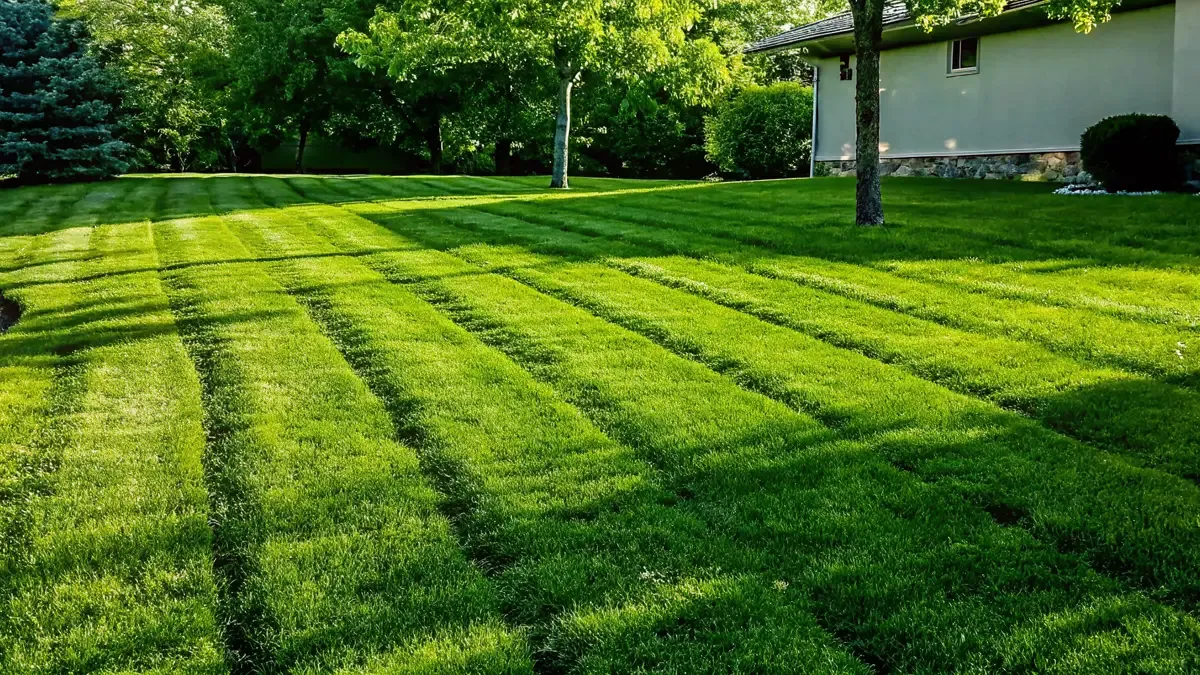
One bag of the wrong seed can leave a Midwest lawn thin for another season. Successful overseeding starts by matching each sunny, shaded, or worn area with the right cool-season grass.
The best grass seed for overseeding Midwest cool-season lawns is a regionally suited mix of Kentucky bluegrass, perennial ryegrass, and fine fescue matched to site conditions. For sunny areas, choose Kentucky bluegrass; use fine fescue in shade, perennial ryegrass for quick establishment, or turf-type tall fescue for added heat and drought tolerance. For mixed light, Iowa State University Extension recommends a blend of Kentucky bluegrass, perennial ryegrass, and fine-leaf fescues, providing balanced performance across changing conditions. Match new seed to the existing lawn and choose multiple cultivars, helping prevent uneven color or texture while improving adaptability, disease resistance, density, and long-term resilience. Avoid annual ryegrass, which offers temporary rather than lasting Midwest coverage.
The right choice depends less on a brand name than on what your lawn faces each day. Best grass seed for overseeding cool-season lawns compares the leading options by sunlight, wear, speed, and summer stress across the Midwest. Here is how to choose.
Best grass seed for overseeding cool-season lawns
The best grass seed for overseeding depends on sunlight, soil moisture, summer stress, and the grass already growing in your lawn. Midwest lawns often contain more than one type of cool-season grass, so a well-matched blend can handle changing conditions.
Start by checking where the lawn thins and how much sun that area gets. Then choose seed that fits those conditions rather than buying a mix based only on its label.
Cool-season seed choices
Kentucky bluegrass is a strong choice for sunny areas and can form a dense, even lawn. It establishes more slowly than perennial ryegrass or fine fescue, so patience and steady moisture matter after seeding.
Turf-type tall fescue handles heat, drought, and wear well. It suits sunny lawns that face summer stress or regular foot traffic. Perennial ryegrass germinates quickly, making it useful for fast repair and as a companion in blends. The University of Minnesota Extension notes its rapid germination.
| Seed choice. | Strongest conditions. | Key consideration. |
|---|---|---|
| Kentucky bluegrass. | Sunny, well-kept lawns. | Slower to establish. |
| Turf-type tall fescue. | Heat, drought, and wear. | Choose turf-type cultivars. |
| Perennial ryegrass. | Fast patch repair. | Useful in a blend. |
| Fine fescues. | Shade and drier sites. | Less suited to heavy wear. |
| Cool-season blend. | Lawns with mixed conditions. | Match percentages to the site. |
Sun, shade, and mixed sites
Fine fescues, such as creeping red, hard, and Chewings fescue, perform best where shade limits other grasses. Iowa State University Extension calls fine-leaf fescues the best grasses for shady locations. These grasses also fit dry, low-traffic parts of a lawn.
A blend is often the soundest choice when one yard has open sun, tree shade, and worn paths. Kentucky bluegrass supports sunny sections, perennial ryegrass adds quick cover, and fine fescue helps in shade. Turf-type tall fescue can add resilience where summer heat is the main concern.
Choosing a reliable blend
Read the seed label before buying. Look for named cultivars and a blend designed for your site’s light and moisture. A bluegrass mix with several cultivars can also adapt better than a single-cultivar planting.
Match the blend to the existing turf when possible. A sharp change in leaf width, color, or growth habit can leave repaired spots looking uneven. ExperiGreen’s guide to selecting the right seed also explains why site preparation matters for a full, consistent stand.
Seed quality cannot make up for poor soil contact. Thin turf, loosen compacted areas, and keep new seed moist as it starts growing. These steps help each grass type establish where its strengths fit the lawn.
How do you match grass seed to sun, shade, and traffic?
The best grass seed for overseeding is the one that fits each part of your yard. Before buying seed, watch where sunlight falls and note where the lawn wears thin. Then match the mix to light, foot traffic, moisture, and the grass already growing there.
Seed choices for sun and shade
For an open Midwest front yard, Kentucky bluegrass is a strong choice. Iowa State University Extension calls it the best choice for sunny areas. Its overseeding guidance recommends fine-leaf fescues for shade and a mixed seed for partial shade.
Use a mix of Kentucky bluegrass, perennial ryegrass, and fine fescue beneath trees with filtered light. For dry, shaded sites, choose a mix with at least half fine fescue. Dense shade needs a realistic plan, since adding more seed will not change the amount of light reaching the soil.
Seed choices for kids, pets, and worn areas
Backyards in Illinois, Michigan, Ohio, and Indiana often serve as play spaces. Look for a durable cool-season mix when kids, pets, or regular foot traffic wear down the turf. Tall fescue handles heat, drought, and wear well, while perennial ryegrass helps bare areas fill in sooner.
Perennial ryegrass germinates faster than Kentucky bluegrass, so it can support quick repair around gates and play zones. The University of Minnesota also notes that Kentucky bluegrass takes longer to germinate than perennial ryegrass or fine fescue. A blend can balance faster cover with longer-term lawn density.
- Sunny front lawn: choose a Kentucky bluegrass-rich mix.
- Filtered light under trees: use bluegrass, ryegrass, and fine fescue.
- Dry shade: favor a mix with a high share of fine fescue.
- Busy play area: look for durable tall fescue with perennial ryegrass.
- Thin path or gate area: include perennial ryegrass for faster repair.
One yard may need more than one mix
A single seed bag may not suit every part of a Midwest lawn. A sunny curb strip faces different stress than dry turf beneath a mature maple. Mark these zones before selecting the right seed, then seed each area with the blend that fits its conditions.
Also check why an area became thin. Heavy use, compacted soil, shade, and summer stress may call for different fixes. Matching seed to the cause gives new grass a better chance to fill worn areas and remain dense.
Choose seed for Midwest climate and existing turf
The best grass seed for overseeding a Midwest lawn must suit both the local climate and the grass already growing there. Illinois, Michigan, Ohio, and Indiana lawns usually need cool-season grasses. These grasses can recover as summer heat fades and cooler fall weather arrives.
Cool-season grass for Midwest lawns
Kentucky bluegrass, perennial ryegrass, tall fescue, and fine fescue are common cool-season choices. Each handles lawn conditions in a different way. The University of Minnesota notes that tall fescue offers strong heat and drought tolerance compared with other common lawn grasses.
Sun and shade should guide the final choice. Kentucky bluegrass works well in sunny areas, while fine fescues suit shady spots. A mix of bluegrass, ryegrass, and fine fescue can serve a lawn with partial shade. This balance helps one seed bag cover changing conditions across the yard.
A match for the existing turf
Before buying seed, look closely at the lawn’s color, blade width, and growth pattern. New grass should blend with the established turf rather than form patches with a different look. Matching the existing grass also makes mowing, watering, and feeding more consistent.
For example, adding coarse tall fescue to a fine-textured bluegrass lawn may create a mixed appearance. Adding Kentucky bluegrass to a lawn that already contains bluegrass often creates a more even result. ExperiGreen’s guide to selecting the right seed also explains how seed choice fits into a wider overseeding plan.
Why blends reduce risk
A single grass species may perform well in one part of a yard but struggle in another. Blends spread that risk across grasses with different strengths. Even a bluegrass mix should contain several cultivars, according to Iowa State University overseeding guidance.
- Choose more Kentucky bluegrass for open, sunny areas.
- Look for more fine fescue where shade or dry soil limits growth.
- Use perennial ryegrass in a blend when quick establishment matters.
- Consider tall fescue where summer heat often stresses the lawn.
Read the seed label before purchase. It should list cool-season grasses that suit the site and match the current lawn. Avoid seed meant for warm-season turf, even when the package promises fast coverage. That mismatch can create uneven color, growth, and seasonal performance.
Why aeration before overseeding improves results
Choosing the best grass seed for overseeding is only part of the job. Seed must also reach soil, stay moist, and face limited competition as it sprouts. Spreading seed over thick grass or firm soil can leave much of it resting above the surface.
Better seed-to-soil contact
Core aeration removes small plugs of soil and creates openings across the lawn. Seed spread after aeration can settle near exposed soil instead of sitting on grass blades or thatch. This contact gives each seed a better setting for taking in moisture and starting growth.
Iowa State University Extension notes that successful overseeding requires good seed-to-soil contact. It lists core aerators among the tools that help create that contact. Aeration should come first so the openings are ready when the seed is spread.
Less stress from compacted soil
Foot traffic, play, and normal lawn use can press soil particles close together. Compacted soil is a known stress factor that can add to lawn thinning. Core aeration eases this surface pressure by removing plugs rather than merely poking holes.
The result is a more useful seedbed for new grass and a healthier setting for existing turf. Aeration does not replace the need to choose a regionally suited seed. It prepares the lawn so that seed has a stronger chance to establish under the right care.
A coordinated professional process
Professional aeration and overseeding pair soil preparation with even seed coverage. A trained lawn care team can assess thin areas, soil firmness, sun exposure, and the existing turf before selecting seed. ExperiGreen’s guide to selecting the right seed explains how lawn conditions shape that choice.
After seeding, steady moisture remains important. New seed may take several weeks to sprout, so the surface should stay moist during that period. Homeowners also need to limit traffic while young grass takes root.
ExperiGreen’s aeration and seeding service brings these steps together for cool-season lawns. Homeowners can also review lawn seeding and overseeding services and the broader lawn care services program when planning seasonal turf care. The process supports more even germination and thicker turf, but weather, watering, soil, and seed choice still affect the outcome.
Steps to overseed with the right seed
A sound overseeding plan starts with the lawn, not the seed bag. Check the grass, soil, sunlight, and damaged areas before choosing a mix. The best grass seed for overseeding should suit both the existing turf and the conditions where it must grow.
Evaluate the lawn and choose seed
Walk the yard at different times of day to map sun, shade, thin turf, and bare soil. Also note drainage issues, compacted ground, pests, or disease. Fixing the cause of thinning helps keep the same problem from harming new seedlings.
-
Measure healthy turf and damaged areas. Overseeding suits lawns that still have a solid base of desirable grass. Large areas of weeds or bare soil may need more extensive renovation instead.
-
Match the seed to each site. Kentucky bluegrass fits sunny Midwest lawns, while fine fescues perform better in shade. A mix can serve yards with changing light. Iowa State University explains how to choose grass by sunlight and prepare for overseeding.
-
Mow and clear the surface. Cut the existing turf shorter than usual, then collect clippings and loose debris. This reduces competition and helps more seed reach the soil. Avoid scalping the lawn, which can add stress before seedlings emerge.
-
Aerate compacted soil. Core aeration opens the surface and creates places where seed can settle against soil. Review how selecting the right seed works with aeration before planning both tasks.
-
Spread seed at the label rate. Set the spreader for the chosen mix and lawn size. Apply half the seed in one direction, then cross the yard with the rest. This method helps cover thin areas without piling seed in narrow strips.
-
Water and protect seedlings. Keep the seedbed moist with short, gentle watering until the seed sprouts. Reduce foot traffic, and keep leaves from covering new grass. Watering should be light enough to avoid puddles or washing seed away.
Seed-to-soil contact
Grass seed cannot establish well when it rests on clippings, thick thatch, or matted leaves. Mowing, clearing debris, and aerating give seed more chances to touch soil. That contact is a key part of the full best grass seed for overseeding process.
Care during early growth
Check the seedbed each day rather than watering on a fixed schedule alone. Sun, wind, and soil type can change how fast the surface dries. Once seedlings grow, ease into deeper and less frequent watering while limiting heavy use.
What care does new grass seed need after overseeding?
New seed needs steady surface moisture, gentle mowing, and less foot traffic while it starts to grow. Even the best grass seed for overseeding can struggle if the seedbed dries out or gets disturbed. Care should support germination without soaking the soil or expecting every thin area to fill at the same pace.
A steady watering routine
Water the seeded lawn two to three short times each day for the first few weeks. The goal is to keep the upper soil moist, not create puddles or runoff. Check sunny slopes and lawn edges often because they may dry faster than shaded spots.
Adjust the schedule for rain, heat, wind, and how quickly the soil dries. University of Minnesota Extension advises homeowners to keep the area moist until seeds germinate, which may take several weeks. Aim for light, steady care instead of one heavy watering followed by a dry spell.
Careful mowing and lighter traffic
Avoid mowing while young seedlings are still fragile or the soil is wet. When mowing resumes, use a sharp blade and turn slowly to reduce pulling and scuffing. Bag or spread heavy clumps of clippings so they do not cover the new growth.
- Keep children and pets off newly seeded areas when possible.
- Move hoses gently rather than dragging them across seedlings.
- Delay heavy yard work until the new grass is stronger.
- Avoid sharp mower turns over thin or damp spots.
These steps protect the seed-to-soil contact that supports a successful start. Good preparation also matters, so review the full process before seeding. ExperiGreen’s guide explains how selecting the right seed fits with aeration and follow-up care.
Realistic growth expectations
Do not expect every seed type or part of the lawn to emerge at once. Shade, moisture, soil contact, and grass type can change the pace. For example, Kentucky bluegrass takes longer to germinate than perennial ryegrass or fine fescues.
Continue watching moisture and limiting wear as new blades appear. Thin spots may need more time, but avoid adding extra seed just because growth looks uneven early on. Judge progress across the whole lawn and keep care consistent while the seedlings develop.
Frequently Asked Questions
What is the best grass seed for overseeding?
For Midwest cool-season lawns, the best choice depends on light and use. Kentucky bluegrass suits sunny areas, while fine fescues handle shade well. A mix of Kentucky bluegrass, perennial ryegrass, and fine fescue works for partly shaded lawns. The Iowa State University Extension also recommends seed mixes containing several bluegrass cultivars for better adaptability and disease resistance.
Can I just throw grass seed down?
No. Grass seed may germinate when scattered over a lawn, but results are less reliable without preparation. Seed needs firm contact with soil, steady moisture, and room to grow. Mow the existing lawn lower, remove debris, then use core aeration or slit seeding where practical. The Iowa State University Extension identifies good seed-to-soil contact as essential for successful overseeding.
When is the best time to overseed a cool-season lawn?
Late summer to early fall is usually the best overseeding window for cool-season lawns in Illinois, Indiana, Michigan, and Ohio. Warm soil supports germination, while cooler fall air reduces heat stress on young grass. The Iowa State University Extension identifies mid-August through mid-September as the best period for renovating a thin lawn. Local weather and the expected first frost may shift that window.
How much grass seed do I need for overseeding?
The correct amount depends on the grass species, seed blend, and condition of the lawn. Follow the overseeding rate printed on the seed label, not the higher rate intended for a new lawn. Measure the lawn’s square footage before buying seed, then calibrate the spreader for even coverage. Applying too much seed can create competition for water, nutrients, and light.
Ready to Build a Thicker Midwest Lawn This Fall?
Waiting until bare or thin areas spread can leave your lawn with more ground to repair when the next overseeding window arrives. Starting your plan now gives you time to select seed for your lawn’s sunlight, traffic, and existing cool-season grass. It also helps you prepare for aeration, seeding, and the steady watering needed to support a more even, dependable lawn.
Ready to address thin turf before another season passes? Use ExperiGreen’s simple online tool to request an instant quote for lawn aeration and overseeding and learn which service options fit your property. Planning ahead can make each step easier, reduce last-minute decisions, and help you begin the right lawn work at the right seasonal time.