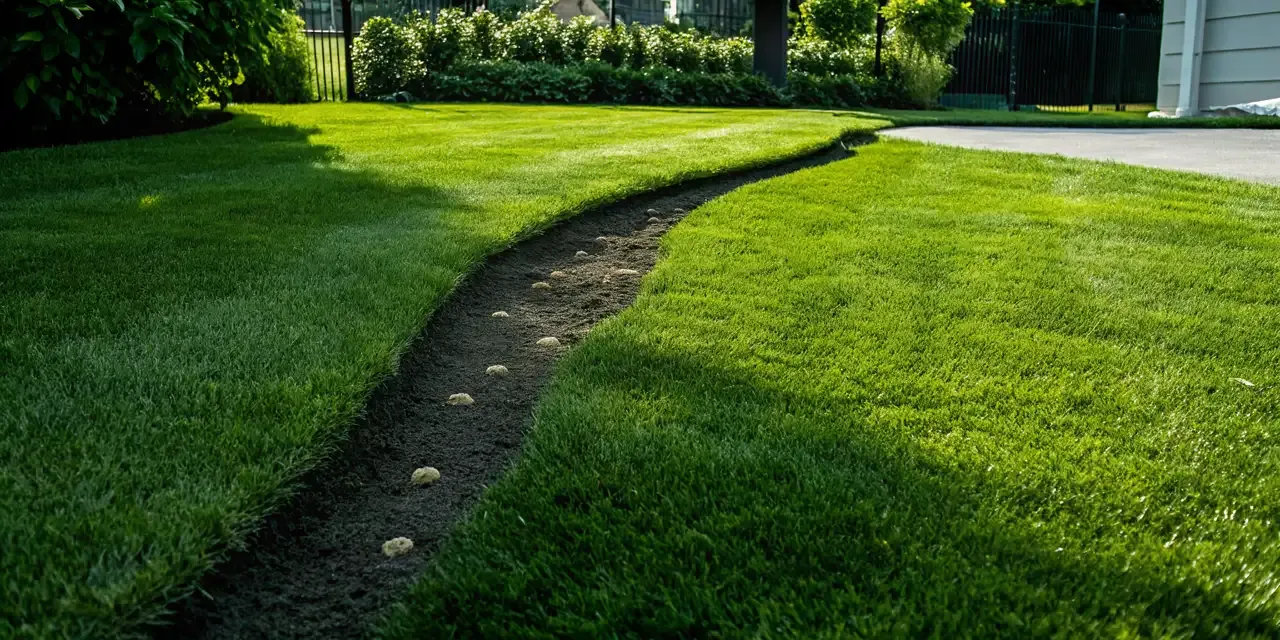
Irregular brown patches in your turf that peel back like a loose rug signal a hidden problem beneath the soil.
Grubs are the C-shaped, milky-white larvae of scarab beetles, such as Japanese beetles or June bugs, that live in the soil and feed on grass roots. These pests destroy the root system of your lawn, which prevents grass from absorbing the water and nutrients it needs to survive. This hidden damage often shows up as spongy, thinning turf or large dead spots that can be rolled up like a carpet. According to Cornell University, heavily damaged turf will feel soft underfoot because the roots have been chewed away. Left alone, an infestation can invite skunks and raccoons to tear up your yard in search of a meal. A healthy lawn can support a few of these pests, but high numbers will kill large areas of grass quickly.
Worried about grubs in your lawn? Get a FREE Quote for help protecting your turf.
Understanding the lifecycle of these pests is the first step toward saving your grass. We will start by exploring What are grubs? to help you find these hidden threats before they destroy your yard. Here is how.
What are grubs?
Grubs are not a type of worm. They are the young, or larvae, of some kinds of beetles. These pests live in the soil and feed on the roots of your grass. Since they stay below ground, most people do not know they have a problem until the lawn turns brown. A white grub is the young form of a scarab beetle. Most grubs measure about one inch long when they are full grown.
How to find a lawn grub
You can find these pests by pulling back a small patch of grass in your yard. A healthy grub has a soft, white body and a dark brown head. They have six legs near the front of their body. One of the best ways to know you have found a grub is to look at its shape. They almost always curl into a tight “C” when you move them. You might also see their strong jaws, which they use to chew through tough plant roots.
The life cycle of a lawn pest
Most grubs follow a one-year life cycle, but some types live for three years. Adult beetles come out of the ground in early or mid-summer to mate and lay eggs. These eggs hatch in about two weeks. Once they hatch, the tiny grubs start to eat grass roots right away. As the weather turns cold in the fall, they dig deep into the soil to stay safe from the frost. They wake up in the spring and eat again before they turn into adult beetles. It is helpful to learn how to manage white grubs in lawns to stop this cycle before it starts.
Common grub types
Many types of beetles produce white grubs. In the Midwest, the most common type is the Japanese beetle. These beetles have shiny green bodies and bronze wings. Other common types include June beetles and masked chafers. While the adult beetles do not look the same, their young all look alike. They also cause the same kind of harm to your turf. Knowing which type you have can help you pick the right plan for expert grub control plans.
It is key to know that a few grubs are normal. A healthy lawn can often handle a small number of pests without any clear harm. You should only worry if you find many grubs in a small spot. When there are too many, they can eat enough roots to kill large patches of grass. If you see signs of stress, check the soil to see if grubs are the cause.
The lawn grub life cycle
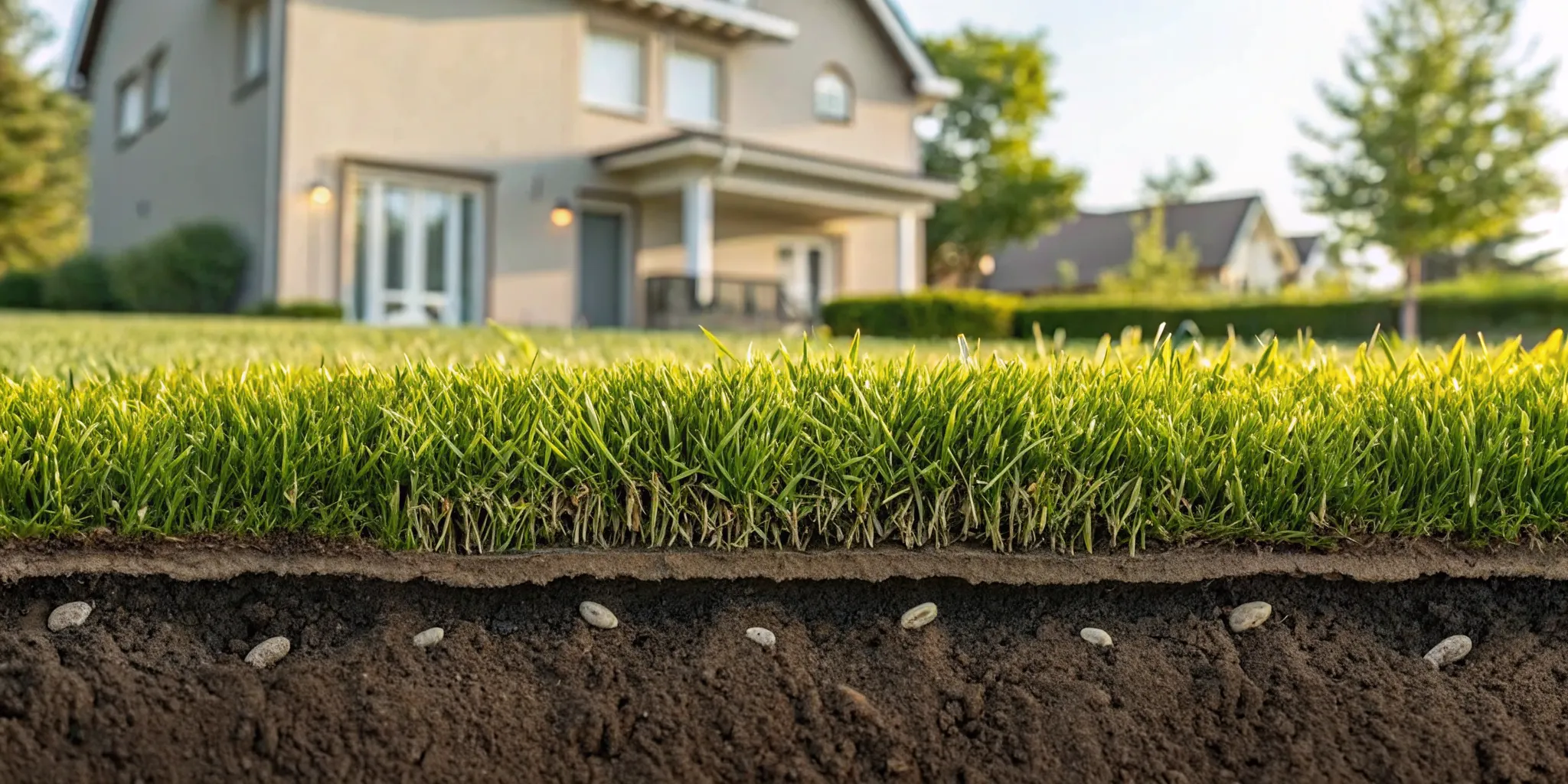
Lawn grubs are not a single type of bug. They are the young stage of many types of scarab beetles. These include Japanese beetles, June beetles, and chafers.
Most of these pests go through their whole life in just one year. But some, like the June beetle, can take three years to grow. Knowing how they live helps you know when to act.
A white grub is the young form of these beetles and stays in the soil most of its life. These small, C-shaped bugs spend their days eating the roots of your grass. This can lead to brown spots that make your lawn look dry or dead.
From beetle to egg
The cycle starts when adult beetles come out of the ground in early or mid-summer. They fly around, mate, and feed on your garden plants. Then, they dig small holes in your lawn to lay their eggs.
This usually happens over a time of two or three weeks. The beetles look for soft, wet soil to keep the eggs safe. If the soil is moist, the eggs will hatch in about 14 days.
This marks the start of the most active phase for the pests. At this point, the young larvae are very small and hard to find.
The feeding and growth phase
Once the eggs hatch, the tiny grubs start to eat grass roots right away. This happens in mid to late summer. As they grow, they eat more and move closer to the surface.
By the fall, they are large enough to cause big patches of dead grass. You can learn how to manage white grubs in lawns to stop this damage before it gets worse.
Most people only see the harm in the fall, but the grubs have been there for weeks. In this phase, the grubs are C-shaped and have six legs. They are very hungry and can kill large areas of turf in a short time.
Winter survival and pupation
As the ground gets cold in late fall, the grubs dig deep into the dirt. They can go as far as eight inches down to stay warm. They sleep through the winter and come back up in the spring to eat again.
This spring feed is short but can still hurt the grass. After they eat, they turn into pupae. This is a rest stage where they change into adult beetles.
Getting professional grub control services can break this cycle at the right time. This makes sure that the new group of beetles does not take over your yard next year. By the start of summer, the new beetles come out of the ground, and the whole life cycle starts over again.
How do grubs damage lawns?
Lawn grubs are the young form of beetles like the Japanese beetle. These pests stay in the soil where they eat the roots of your grass. When grubs live in the soil, you might not know they are there until the lawn starts to turn brown. They hide under the surface and work day and night to feed on your yard.
Root feeding and water loss
The main way grubs hurt your grass is by eating its roots. Since roots take in water and food from the dirt, losing them is a big deal. When grubs eat these roots, the grass can no longer get the water it needs to stay green. This causes the lawn to die even if there is plenty of rain. This damage often looks like a lack of water, but it is just the pests at work.
Over time, the grass will thin out and lose its color. You may see dead spots that do not get better when you water them. This stress also makes it easier for weeds to move in and take over your yard. High grub counts can make it much harder for your grass to survive dry spells or high heat. Without deep roots, the grass has no way to pull moisture from deep in the dirt.
Loose sod and spongy turf
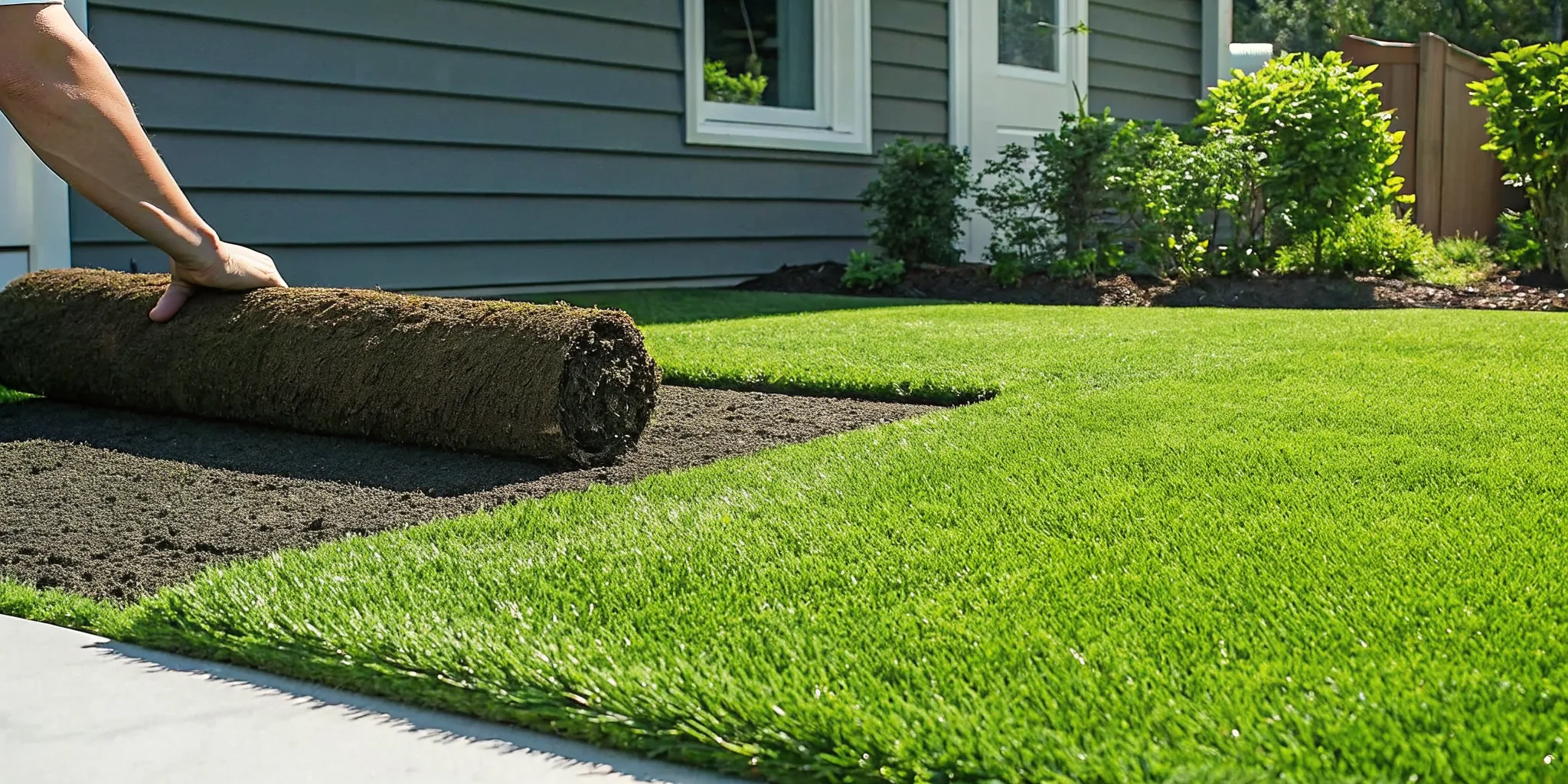
As grubs eat the root system, the grass loses its grip on the soil. You might notice that the turf feels soft or spongy when you walk on it. It may feel like you are walking on a thick gym mat rather than a firm lawn. In some cases, you can pick up the grass and peel it back just like a piece of carpet. This happens because the roots are gone, so nothing holds the grass to the ground.
Checking for these signs of grubs in your lawn is a good way to find the problem early. If you can pull up the sod with no effort, you likely have a grub issue. A healthy lawn should stay firmly set in the dirt even when you pull on it. If you see white, C-shaped larvae in the dirt after you pull up the sod, the cause is clear.
Damage from hungry wildlife
Sometimes the worst damage does not come from the grubs. Many animals like to eat these pests for a snack. Animals such as skunks, crows, and raccoons will dig deep holes in your yard to find them. These animals have a keen sense of smell and can tell when a lawn is full of grubs. They use their claws and beaks to tear through the turf to reach the food below.
This digging can tear up large areas of grass in just one night. Often, this animal damage is harder to fix than the root feeding itself. Large patches of dirt may be left behind where there was once green grass. This extra damage is a clear sign that you have a major pest problem under the soil that needs to be fixed.
Grubs vs other lawn issues
It can be hard to tell if your lawn has a grub problem or something else. Use this table to see the main ways they differ from other common lawn stresses.
| Feature | Grub Damage | Drought Stress | Fungal Disease |
|---|---|---|---|
| Root Health | Roots are eaten or gone | Roots stay intact | Roots may be dark or soft |
| Turf Feel | Spongy and loose | Dry and crispy | Firm but slimy or greasy |
| Soil Moisture | Often moist | Very dry and hard | Often very wet |
| Visual Pattern | Uneven dead spots | Broad wilted areas | Round rings or spots |
| Pull Test | Peels back like carpet | Stays in the soil | Breakage at the blade |
If you suspect grubs are hurting your grass, you may need professional grub control services to stop the damage. Experts can find the type of grub in your soil and use the right plan to fix it. Taking quick action can save your lawn from further harm and help it stay thick and green all year.
How can you check a lawn for grubs?
Finding grubs before they eat your whole lawn is a smart move. You may see brown patches that look like the grass needs water. But if the grass stays brown after you water it, grubs might be the cause. You should also watch for birds, skunks, or raccoons digging in your turf. These animals love to eat these pests and can tear up your yard to get to them. Often, the digging from animals causes more harm than the bugs themselves.
Look for spongy grass
Grub damage often makes your lawn feel soft under your feet. This happens because the pests eat the roots that hold the grass to the dirt. You can check for this by walking on the brown areas of your lawn. If the turf feels like a loose carpet that you can pull up with your hands, you likely have a problem. This spongy feel is a key sign that the root system is gone. You can find more facts in our guide on the signs of grubs in your lawn.
The best time to scout
You should check your lawn in late summer or early fall. This is when the eggs have hatched and the young pests are feeding near the surface. Experts at Oklahoma State University note that most beetle types lay eggs in mid-summer. Checking during this time helps you find the problem before the bugs go deep for the winter. If you wait until spring, the grubs are larger and harder to kill.
The square foot test
The best way to know for sure if you have a pest problem is to look under the turf. You will need a spade or a shovel for this job. You do not need to dig up your whole yard to find them. Just check a few spots where the grass looks weak, thin, or brown. These simple steps will help you get a clear count.
- Find a spot at the edge of a brown patch where the grass still looks green.
- Use a spade to cut a square that is one foot long on each side.
- Dig about three inches deep to get under the root zone of the grass.
- Lift the piece of turf back slowly like you are peeling a rug off the floor.
- Look for white, C-shaped bugs with brown heads in the soil and roots.
- Count how many you see in that one-square-foot area.
- Pat the grass back down and water it well to help it grow again.
A few grubs are a normal part of a healthy lawn. You do not need to worry if you only find one or two. Experts at Cornell University say a healthy lawn can handle up to five grubs per square foot. But if you see ten or more in one spot, they will cause real harm to your grass. In those cases, you may need to manage white grubs in lawns with an expert treatment.
What helps prevent serious grub damage?
Stopping grubs starts with a strong lawn. A healthy turf can support zero to five grubs per square foot without showing signs of stress. You can help your grass stay tough by using lawn care programs that build deep roots and thick blades. When your lawn is full and healthy, it can handle small pests without dying.
Keep your grass strong
Good soil and water habits make it hard for grubs to ruin your yard. Deep, infrequent watering helps grass grow longer roots. This makes the plant better at finding water even if grubs eat some of the root system. You should also mow your grass at the right height to keep the soil cool. Healthy grass can often survive a few pests better than a weak lawn.
You may not know you have a problem until you see the grass turn brown. According to Cornell University, grubs live in the soil and feed on plant roots. Since they stay out of sight, you should check your soil if you see signs of grubs in your lawn like spongy turf or brown spots. Finding them early is the best way to stop big issues later in the year.
Use expert pest help
Professional timing is a big part of keeping grubs away. Most beetle species lay their eggs in early to mid-summer. Applying a preventive layer at the right time stops the young larvae before they can grow and cause real harm. If you wait too long, the grubs get bigger and much harder to kill with standard products.
Working with lawn pest control services takes the guesswork out of the process. Pros know which beetle species are common in your area and when they emerge. ExperiGreen experts use tools that target grubs while keeping your family and pets in mind. They can set up a plan that protects your yard all season long so you do not have to worry about dead grass in the fall.
When should you call a lawn care professional?
You may see a few grubs in your soil while planting flowers or doing yard work. A small number of these pests is normal and often does not harm a healthy lawn. But, when you start to see patches of brown grass or loose turf, it is time to act. A lawn pest control services expert can find out if the problem is grubs or something else.
Signs of active damage
Grub damage can happen fast. If your grass feels spongy when you walk on it, the roots may already be gone. Heavily damaged turf will peel back from the soil like a carpet because the root system has been chewed away. This is a clear sign that you need professional grub control services to stop the damage from getting worse.
According to experts at Cornell University, this root loss also makes your lawn less able to handle dry weather. It can even lead to more weeds in your yard. If you try to fix it yourself, you might miss the right time to apply a treatment. Pros know exactly when to use products to get the best results.
Identifying the species
Different types of grubs have different life cycles. For example, June beetles have a three-year cycle, while many other types only live for one year. Knowing which one you have is key to picking the right fix. A pro will look at the grub to see its species. This is needed to pick the right treatment for your lawn.
It is also easy to mix up grub issues with drought or other lawn diseases. A trained eye can tell the difference and save you time and money. They can also tell if animals like skunks or raccoons are digging in your yard because they found a food source. These animals can cause more trouble than the grubs themselves if left alone.
Recurring problems and uncertainty
If you see signs of grubs in your lawn every fall, your yard might be a prime spot for beetles to lay eggs. Experts can set up a plan to stop them before they hatch. This saves your grass and keeps it thick and green all year long.
Testing for grubs is the only way to be sure you have an issue. You can dig up a small patch of sod, but a pro can do this across your whole lawn to find the source. If they find more than five to ten grubs in a square foot, they will suggest a plan to protect your grass. This proactive step helps you avoid big repair costs later.
Frequently Asked Questions
Do all lawns have grub problems?
Not every lawn will face a grub problem. According to BioAdvanced, young lawns or those with low care often have fewer issues. Certain grass types, like tall fescue, are also less likely to need help. A healthy lawn can often support a small number of grubs without showing any clear signs of damage or stress.
What attracts grubs to your yard?
Adult beetles are drawn to healthy, well-watered lawns when they are ready to lay their eggs. They prefer moist soil and areas with plenty of sunlight. While a thick lawn is a goal for many people, regular watering during the peak of summer can make your yard a prime target. Keeping your grass at a taller height may also help reduce their appeal.
Is October too late for grub killer?
October is usually too late in the year to apply a grub treatment. By this time, the pests have grown large and often stop eating as they move deeper into the ground for winter. According to experts at Cornell University, early treatments are most effective in late summer. This is when the larvae are still small and stay near the surface.
I found a couple grubs in my lawn. Do I need to apply control?
Finding a few grubs while you dig is normal and does not always mean you have a problem. A healthy lawn can easily support up to five grubs per square foot with no harm. Professional grub control services are usually only needed if the count reaches ten grubs per square foot. This is the point where major root damage begins.
Ready to stop grub damage before it ruins your lawn?
If you wait to treat grubs, they will keep eating your grass roots until the lawn dies. It is much harder and costs far more to fix dead patches than it is to stop them now. Most folks do not see the bugs until the grass turns brown. Once the roots are gone, your lawn can peel up like a piece of old carpet. You can save your yard and your money by taking action today. A healthy lawn helps your home look its best and gives your kids a nice place to play. You can keep your lawn green and thick with just one call. Picking a plan now means you can relax while we handle the hard work for you. Our expert grub control plans stop these pests before they cause real harm. Do not let your lawn become a meal for hungry grubs this year.
Ready to protect your yard? Get a FREE Quote and let ExperiGreen help stop grub damage.