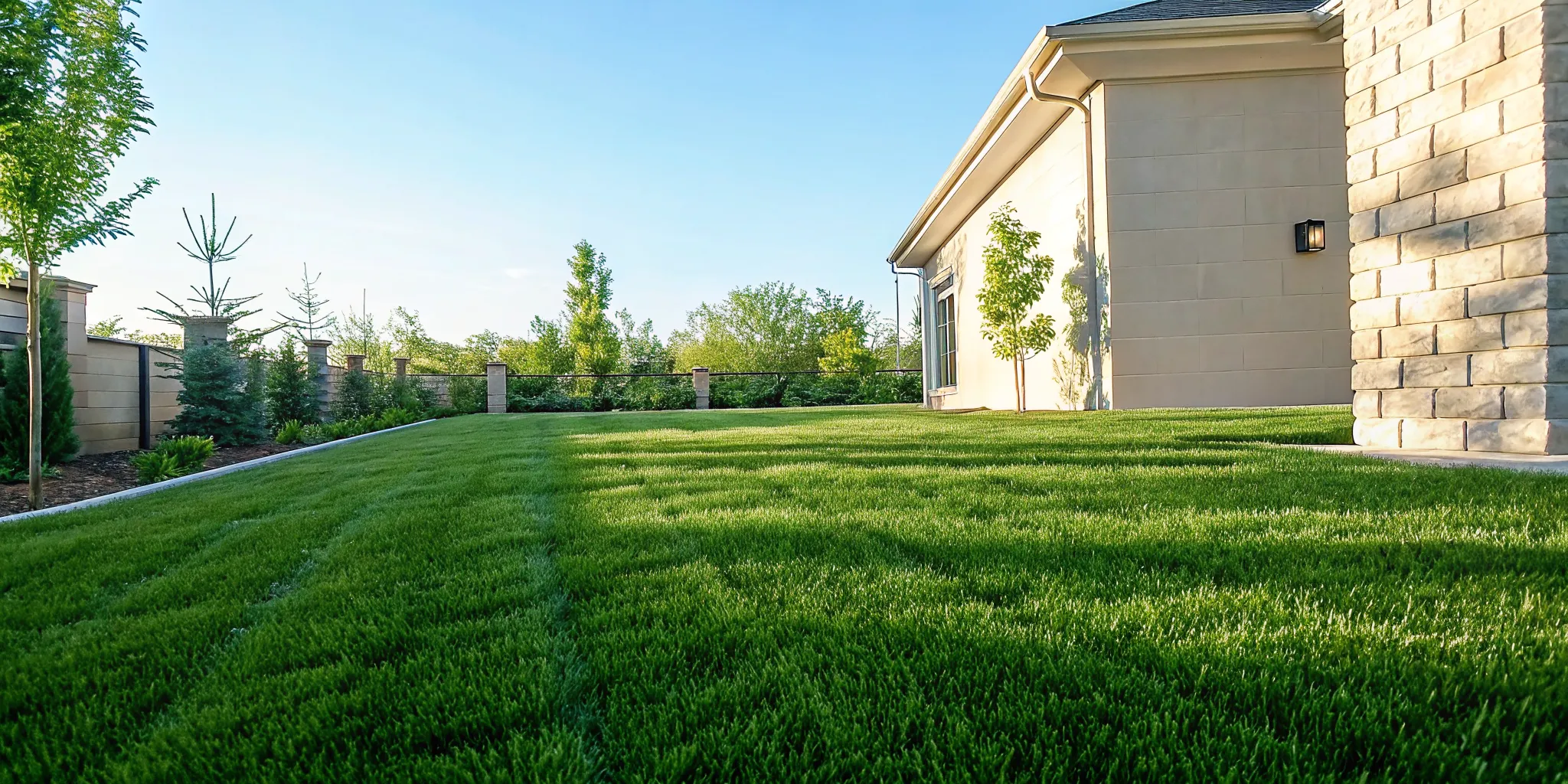
When a once-full yard begins showing bare soil, weak color, or widening spaces between grass plants, weeds gain room to move in. Overseeding lawn areas with the right seed at the right time can rebuild density without removing the existing turf.
Get a FREE Quote from ExperiGreen for help building a thicker, healthier lawn.
Overseeding is the process of spreading grass seed into an existing lawn to fill thin areas, improve turf density, and introduce grass varieties suited to local conditions. For the best results, choose the proper season, prepare the soil for strong seed contact, and keep the seedbed consistently moist during germination.
This guide explains when overseeding works best, how to recognize a lawn that needs it, and what to do before and after seeding. It also shows when combining seeding with professional aeration may be the more dependable next step.
What does overseeding do for a thinning lawn?
Overseeding adds new grass plants among established turf instead of replacing the entire lawn. New seedlings can fill bare areas, improve density, and help the lawn compete for sunlight and space. It is most effective when the existing lawn is basically healthy but has become thin from age, weather, or use.
Fill open areas with new grass plants
Grass plants can thin over time because of heat, drought, pets, foot traffic, disease, or normal aging. Bunch-type grasses, including tall fescue, grow in individual clumps rather than spreading quickly across open soil. Adding seed introduces new plants where the established turf cannot fill gaps on its own.
That added density improves appearance, but it also protects the soil surface. New roots help hold soil in place, and a fuller turf canopy reduces the amount of open ground exposed to heavy rain or drying sun.
Help the lawn compete with weeds
Weeds take advantage of available light, moisture, and space. A dense stand of healthy grass leaves fewer openings for weed seeds to establish. Overseeding is not a replacement for a complete weed-control plan, but it can strengthen the lawn’s natural ability to compete.
- More coverage: New plants fill gaps that weeds might otherwise occupy.
- Improved resilience: A mix of healthy grasses can recover more evenly after stress.
- Better appearance: Added density creates a more consistent color and texture.
- Stronger soil protection: More roots help reduce erosion in thin areas.
Introduce grasses suited to current conditions
An older lawn may contain varieties that struggle with its present shade, traffic, or climate. Overseeding offers an opportunity to introduce a seed blend selected for the site. The correct choice depends on the existing grass, sunlight, soil, irrigation, and regional weather.
Before buying seed, identify whether the lawn uses cool-season or warm-season grasses. Matching the seed to the existing turf helps create a more consistent lawn and avoids a patchwork look.
When is the best time for overseeding a lawn?
The best overseeding time depends on the grass type. Seed cool-season lawns in late summer or early fall while soil remains warm and air temperatures begin to cool. Overseed warm-season lawns in late spring or early summer after active growth begins and the risk of cold weather has passed.
Cool-season lawns usually benefit from fall seeding
Cool-season grasses grow most actively during mild spring and fall weather. Late summer to early fall often provides warm soil for germination, cooler air for growth, and less competition from many annual weeds. It also gives seedlings time to develop before summer heat returns.
Exact dates vary by region and year. Local temperatures, rainfall, and the expected first frost matter more than a calendar date. For a closer look at seasonal timing, read ExperiGreen’s guide to the best time to aerate and overseed your lawn.
Warm-season lawns need active growing weather
Warm-season grasses perform best when soil and air temperatures are consistently warm. Late spring or early summer gives new plants an active growing period before cooler weather slows them down. Seeding too early can leave seed sitting in cold soil with poor germination.
Some warm-season grasses are more commonly repaired through plugs or sod than seed. Confirm the existing grass type before choosing an overseeding method.
Weather and soil conditions can shift the window
A heat wave, drought, early frost, or long period of heavy rain can change the ideal schedule. Seed needs reliable moisture, but saturated soil can reduce oxygen around developing roots. The soil should also be workable enough for seed to make contact rather than resting on hard ground or dense debris.
| Lawn type | Typical overseeding season | Primary goal |
|---|---|---|
| Cool-season grass | Late summer to early fall | Establish before winter and summer stress |
| Warm-season grass | Late spring to early summer | Use the active warm-weather growth period |
| Thin high-traffic area | During the grass type’s best growing season | Restore density after wear |
How can you tell if your lawn needs overseeding?
Your lawn may need overseeding when soil is visible between grass plants, bare areas keep expanding, weeds fill open spaces, or worn turf recovers slowly after heat and traffic. Overseeding can improve thinning turf, but disease, drainage problems, severe compaction, or unsuitable shade may need correction before seed will succeed.
Look for visible thinning and slow recovery
Walk the lawn and look down through the grass canopy. If you can easily see soil between plants, or if isolated bare areas are getting larger, the turf may lack enough healthy plants to fill the space. High-traffic routes and pet areas often show the first signs.
Seasonal dormancy can temporarily change lawn color, so do not judge density by color alone. Look for actual plant coverage and note whether the grass recovers during its normal growing season.
- Visible soil: Gaps appear between established grass plants.
- Recurring bare spots: The same areas remain open after normal growth resumes.
- Increasing weeds: Unwanted plants repeatedly establish in thin turf.
- Uneven texture: Worn areas feel sparse compared with the rest of the lawn.
Find the underlying cause before adding seed
Seeding will not correct every lawn problem. Deep shade, standing water, compacted soil, active disease, or an irrigation issue can cause new seedlings to fail just as the existing grass did. Correcting the cause first protects the time and effort invested in overseeding.
If the lawn has scattered thin areas but otherwise grows well, overseeding may be appropriate. If most of the lawn is bare or severely damaged, a professional evaluation can help determine whether renovation or another treatment makes more sense.
How should you prepare for successful overseeding?
Prepare for overseeding by mowing lower than usual, removing leaves and excess debris, and improving seed-to-soil contact. Core aeration can loosen compacted ground and create openings for seed. Then apply a grass variety suited to the region and distribute it evenly before beginning a consistent watering routine.
Mow and clear the seedbed
Seed that remains on leaves, clippings, or heavy thatch may dry out before it can germinate. Mow the existing lawn somewhat lower than usual without scalping it, then collect clippings and rake away debris. The goal is to give seed a clear path to the soil while protecting the established grass.
Improve seed-to-soil contact
Good seed-to-soil contact helps seed absorb the moisture needed for germination. Core aeration removes small plugs of soil and creates openings through compacted ground. Pairing aeration with overseeding can be useful where traffic or dense soil limits root growth.
ExperiGreen’s aeration and overseeding guide explains how the two services work together. Homeowners can also review the step-by-step overseeding process before starting.
Choose and spread the right seed
Select seed that matches the existing grass and the lawn’s growing conditions. Consider sunlight, soil drainage, irrigation, traffic, and the local climate. Apply seed evenly with a calibrated spreader, following the seed label rather than assuming that more seed will produce better results.
- Identify: Confirm the existing grass type and the reason for thinning.
- Mow: Shorten the grass without damaging the established turf.
- Clear: Remove leaves, clippings, and debris that block the soil surface.
- Aerate: Relieve compaction where needed and create openings for seed.
- Spread: Apply the selected seed evenly at its recommended rate.
- Water: Keep the upper soil surface consistently moist during germination.
How should you care for your lawn after overseeding?
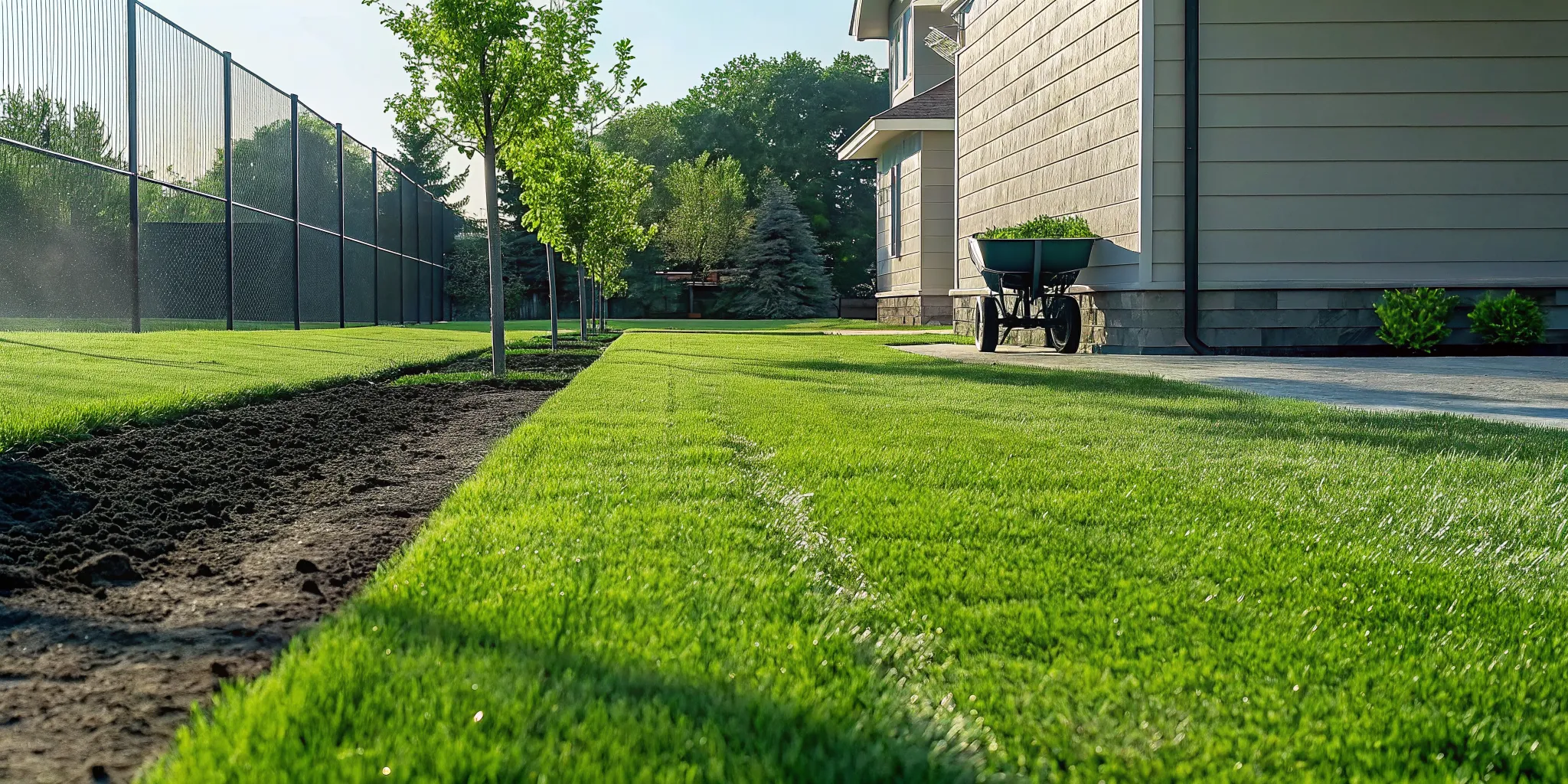
After overseeding, keep the upper soil layer consistently moist without creating runoff or puddles. Limit foot traffic while seedlings establish, and wait to mow until new grass is tall enough and rooted firmly. Gradually shift from frequent light watering to deeper, less frequent watering as the grass develops.
Keep the seedbed moist
New seed needs dependable moisture during germination. Light watering may be needed often enough to keep the surface from drying, but the lawn should not remain flooded. Runoff can move seed into piles and create uneven growth.
Germination time varies by grass variety and weather. Continue following the seed label and any local watering restrictions rather than stopping as soon as the first seedlings appear.
Protect young seedlings from traffic
New grass is vulnerable to footsteps, pets, mower wheels, and sharp turns. Keep traffic light until roots establish and the soil feels firm. Marking heavily seeded areas can help family members avoid them during the most sensitive stage.
Return to mowing carefully
Wait until the new grass reaches an appropriate mowing height and is rooted well enough to resist movement. Use a sharp mower blade, avoid removing too much height in one cut, and turn gently. These habits reduce stress on seedlings while encouraging the established turf to stay healthy.
Get a FREE Quote if you want professional help timing aeration and overseeding for your lawn.
What overseeding mistakes limit thicker growth?
Common overseeding mistakes include planting in the wrong season, choosing seed that does not match the lawn, skipping soil preparation, applying seed unevenly, and allowing the seedbed to dry. Correct timing and consistent aftercare matter just as much as the amount of seed placed on the lawn.
Planting at the wrong time
Seedlings need enough favorable growing weather to establish before major heat or cold arrives. Planting cool-season grass in late spring may expose young plants to summer stress too quickly. Planting warm-season grass as temperatures fall can leave it without enough active growth time.
Skipping preparation
Throwing seed onto an unprepared lawn often produces uneven results. Dense debris, heavy thatch, or hard soil can keep seed from reaching the ground. A few careful preparation steps can make the difference between scattered seedlings and a more uniform stand.
Overwatering or letting seed dry out
Both extremes cause problems. Dry seed may fail to germinate, while excessive water can wash seed away or leave the soil saturated. The best approach is consistent moisture at the surface, followed by a gradual transition to deeper watering after seedlings establish.
When does professional aeration and overseeding make sense?
Professional help may make sense when compaction is widespread, the lawn has large uneven areas, grass identification is uncertain, or timing and equipment are difficult to manage. A lawn care professional can evaluate the cause of thinning, select an appropriate seed, and coordinate aeration, seeding, and aftercare guidance.
Professional equipment improves consistency
Core aerators and calibrated spreaders can help treat a lawn more evenly than improvised tools. Consistent passes matter on larger properties or lawns with widespread compaction. Professional service also reduces the challenge of transporting, operating, and cleaning rental equipment.
A lawn evaluation can prevent repeated failure
If seed has failed before, the underlying reason may be more important than the seed itself. Soil compaction, poor drainage, shade, and incorrect grass selection can all limit results. ExperiGreen offers aeration and overseeding services designed around lawn needs and local conditions.
A thicker lawn still requires ongoing care after new grass establishes. Fertility, mowing, watering, and weed management all influence its long-term density. Review ExperiGreen’s approach to lawn fertilization as part of a broader turf-care plan.
Frequently asked questions about overseeding lawn areas
Can I just spread grass seed over existing grass?
You can, but germination improves when seed reaches prepared soil. Mowing, raking, and core aeration help reduce barriers between seed and soil. Seed left sitting on grass blades or debris is more likely to dry out or move before it establishes.
Should I dethatch before overseeding?
Dethatch when a heavy layer prevents seed from reaching soil. A light layer of organic material may not require removal. Evaluate the lawn first, because aggressive dethatching can stress healthy grass when it is not needed.
How long should I water after overseeding?
Keep the soil surface consistently moist during germination, then gradually water less often and more deeply as roots develop. The timeline varies by seed type, weather, and soil. Follow the seed label and local watering rules.
When can I mow after overseeding?
Mow after new grass reaches an appropriate height and feels rooted firmly enough to resist mower traffic. Use a sharp blade and avoid removing too much at once. Careful turns help prevent mower wheels from disturbing young plants.
Build a thicker lawn with a well-timed plan
Successful overseeding begins with the right diagnosis. Identify why the lawn is thin, choose seed suited to the site, plant during the grass type’s best growing season, and protect new seedlings while they establish.
ExperiGreen can help coordinate aeration and overseeding around your lawn’s needs and local conditions. Get a FREE Quote to explore the next step toward thicker, healthier grass.