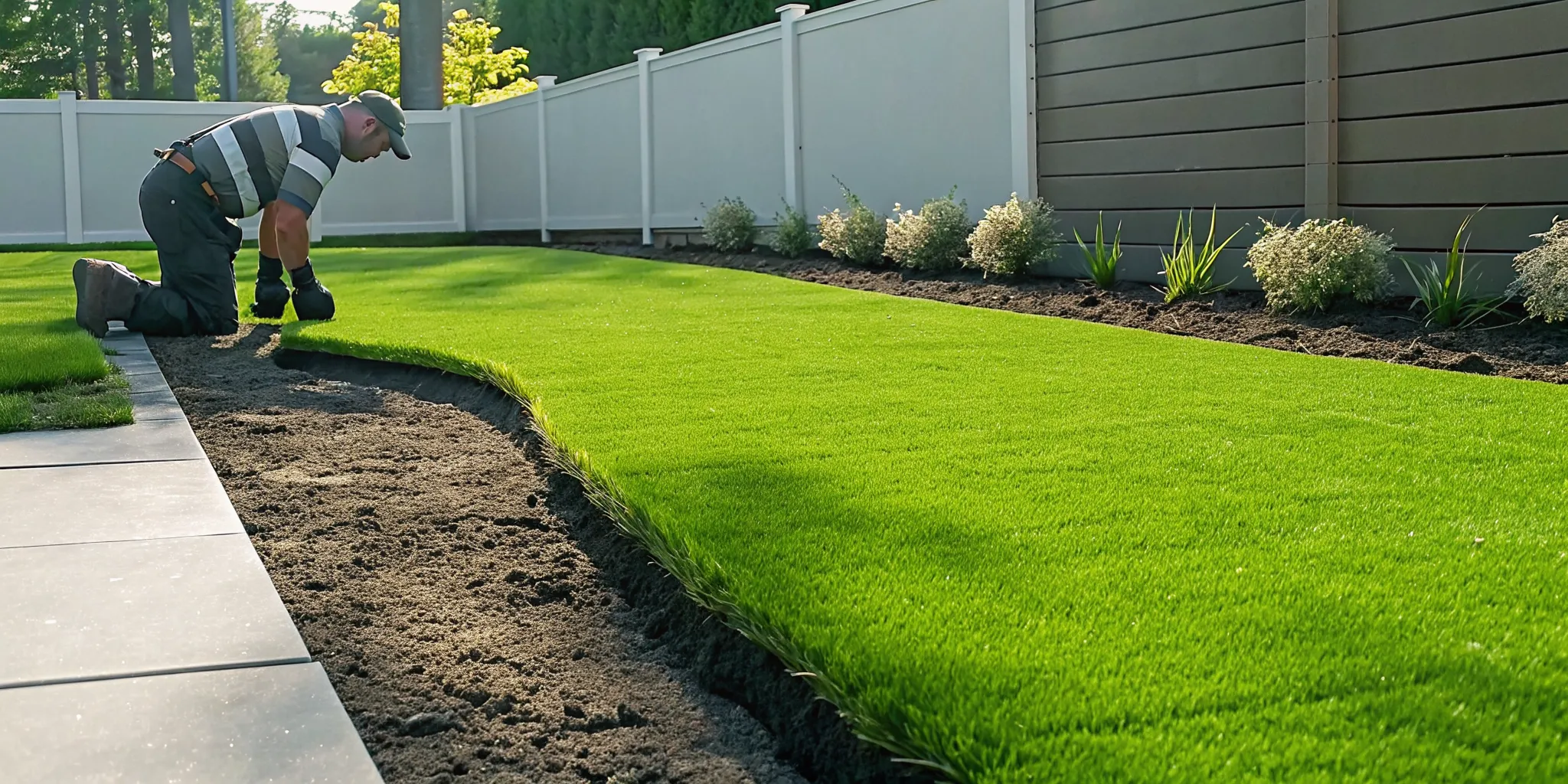
Searching for a Lawn Doctor alternative usually means you want more than a recognizable name. You want a provider that can identify why your lawn is struggling, explain the plan, and adjust care as weather and turf conditions change. Comparing local expertise, service scope, communication, and follow-up helps you choose a team on evidence rather than brand recognition alone.
Get a FREE Quote to see which ExperiGreen lawn care options fit your property.
A strong Lawn Doctor alternative should combine professional systems with detailed local knowledge. Compare how each provider assesses turf and soil, times applications for your region, communicates after visits, and responds when conditions change. The best choice is the team that can explain a specific, realistic plan for your lawn.
This guide gives homeowners a practical way to compare franchise lawn care with a locally managed provider. It does not assume one model is always better. Instead, it shows which questions reveal whether a company understands your property and can provide consistent care through the season.
What does Lawn Doctor offer?
Lawn Doctor is a franchise lawn care company whose local operators may offer fertilization, weed control, aeration, seeding, pest control, and related services. Exact programs and customer experiences can differ by location, so homeowners should confirm what their nearest operator includes, how visits are scheduled, and who handles follow-up.
Quick answer: Compare the local operator’s diagnosis, treatment timing, visit documentation, and follow-up process, not just its service list. The same advertised program can produce a different experience depending on who evaluates the lawn and adapts the work.
Common program components
Most professional lawn programs are built around recurring visits rather than a single treatment. Fertilization supports growth, weed control targets unwanted plants, and aeration or seeding may address compaction and thinning. Some properties also need targeted help for insects, diseases, trees, or shrubs.
The important distinction is not whether a service appears on a list. It is how the provider decides when that service is appropriate. Aerating compacted soil can help roots reach air and water, for example, but seeding at the wrong time or without correcting the cause of thinning may deliver limited improvement.
Questions to ask the local operator
Because Lawn Doctor locations are locally operated franchises, ask the branch that would actually service your home about its process. Who evaluates the lawn? Will the same local team return? How are application dates adjusted for rain, drought, or an early frost? What happens if weeds remain after a scheduled visit?
These questions apply to every provider, including independent and regional companies. Clear answers show whether the team has a repeatable process and enough flexibility to respond to your property.
Local expertise vs. franchise lawn care
A franchise offers a shared brand and established operating model, while a locally managed provider may have more freedom to adapt decisions to regional conditions. Neither structure guarantees quality by itself. The practical difference appears in how accurately the local team diagnoses problems, times care, communicates, and follows through.
Quick answer: Local expertise matters when it changes the diagnosis or timing. Professional systems matter when they preserve those decisions through training, scheduling, service notes, and responsive follow-up.
| Comparison point | What to look for | Why it matters |
|---|---|---|
| Assessment | A walk-through that considers turf, weeds, soil, shade, drainage, and mowing | Similar symptoms can have different causes |
| Timing | Visits adjusted to local growth stages and weather | Calendar-only timing can miss the right treatment window |
| Plan design | Recommendations tied to observed conditions | Prevents unnecessary or poorly targeted services |
| Communication | Clear pre-visit notices and post-visit notes | Helps homeowners support the treatment with correct watering and mowing |
| Follow-up | A defined way to report concerns and request review | Lawns change, so the plan may need adjustment |
The value of locally managed decisions
Local knowledge is most useful when it changes a decision. A team serving Detroit or Chicago should recognize how cool-season turf responds to summer stress and changing fall temperatures. A team providing lawn care in Charlotte faces a different climate, turf mix, and seasonal rhythm. The service calendar should reflect those differences.
Local expertise also helps a technician distinguish between look-alike problems. Brown turf may reflect heat stress, disease, insect activity, irrigation gaps, or mowing injury. Treating the symptom without identifying the cause wastes time and can leave the underlying issue untouched.
The value of professional systems
Systems matter too. Scheduling, technician training, visit documentation, and responsive customer support help turn expertise into consistent service. When comparing companies, ask how local observations are recorded and carried forward. A knowledgeable assessment has little value if the next visit ignores it.
Why does regional lawn knowledge matter?
Regional lawn knowledge improves the timing and relevance of care. Turf type, soil texture, rainfall, temperature swings, weed cycles, and pest pressure vary by market. A provider should connect those local factors to a clear recommendation instead of applying the same explanation to every property.
Midwest timing and soil conditions
In markets such as Indianapolis, Cincinnati, Columbus, Detroit, and Chicago, many lawns contain cool-season grasses. These lawns can grow actively in spring and fall, then slow during summer heat. Heavy or compacted soil can also limit root development and water movement. A provider with Indianapolis lawn care experience should be able to explain how those conditions affect fertilization, aeration, and seeding windows.
Regional timing is not a fixed date on a national calendar. Soil temperature, rainfall, and turf growth can shift from year to year. Ask what field conditions the team checks before recommending a treatment.
Southern heat and turf differences
Warmer markets can have different turf species, growing seasons, and stress patterns. A recommendation that makes sense for a cool-season Midwest lawn may be unsuitable for warm-season grass. This is why an honest assessment begins by identifying the turf and observing the site rather than starting with a preset package.
Property-level differences
Two neighboring yards can still need different care. Shade, slope, irrigation coverage, pet activity, construction disturbance, and mowing height all affect turf performance. Local knowledge narrows the possibilities, but a property-level assessment identifies which factors matter at your home.
How should you compare Lawn Doctor alternatives?
Compare Lawn Doctor alternatives with the same written checklist. Start with diagnosis and plan clarity, then examine local experience, communication, and follow-up. Asking every provider the same questions makes vague promises easier to spot and helps you compare the actual service rather than marketing language.
A five-step comparison process
- Describe the problem. Note when symptoms appeared, where they occur, and what you have already tried.
- Request an assessment. Ask how the provider identifies turf, weeds, insects, disease, soil issues, drainage, and mowing stress.
- Review the recommendation. The team should connect each proposed service to an observed need and realistic goal.
- Confirm communication. Ask about arrival notices, visit notes, homeowner instructions, and the best way to report concerns.
- Understand follow-up. Ask what happens when weather changes, a treatment needs review, or the lawn responds differently than expected.
Red flags during the comparison
Be cautious when a representative promises an instant transformation, recommends services without asking about the property, or cannot explain what success should look like. Lawn improvement often takes a sequence of correctly timed steps. Weather, existing turf density, soil condition, and homeowner practices all influence the outcome.
Also watch for unclear program descriptions. You should understand which services are included, which are optional, and what you are expected to do between visits. A useful proposal turns a list of treatments into a plan you can follow.
Want a property-specific recommendation? Review ExperiGreen’s lawn care programs and request an instant quote.
What should a professional lawn assessment include?
A professional assessment should identify the turf, inspect weeds and symptoms, consider soil and drainage, review shade and irrigation, and discuss mowing and watering. It should end with priorities and next steps. The goal is not merely to find problems, but to explain which conditions are limiting the lawn.
Quick answer: A useful assessment connects visible symptoms to likely causes, ranks the most important constraints, and explains which service or homeowner action addresses each one.
Turf, weeds, pests, and disease
The technician should identify the dominant turf type and evaluate density, color, and root-zone condition. Weed species can reveal thin turf, compaction, excess moisture, or bare soil. Insect and disease symptoms should be confirmed carefully because several problems can create similar discoloration.
Soil, drainage, and compaction
Soil supports every part of the lawn. The assessment should note hard or compacted areas, standing water, slopes, and places where irrigation does not reach evenly. When a soil test is appropriate, the provider should explain what it will measure and how the result could change the recommendation.
Maintenance practices
Mowing and watering can either support or undermine professional care. Cutting too short reduces leaf area and can increase stress. Dull blades tear grass rather than cutting cleanly. Frequent shallow watering may encourage shallow roots. Good providers explain the homeowner actions that help each visit produce better results.
How much do communication and follow-up matter?
Communication and follow-up are core parts of lawn care because the property changes between visits. A reliable company explains what it observed, what it applied, what the homeowner should do next, and how to raise a concern. That feedback loop helps the team refine care instead of repeating a static plan.
Before and after each visit
Before a visit, homeowners should know when the team is expected and whether pets, gates, or irrigation need attention. Afterward, a useful service note identifies the work completed, observations made, and any watering or mowing instructions. Specific notes are more valuable than generic statements that the visit is complete.
When conditions change
Rainfall, drought, frost, and sudden pest activity can change the next best step. Ask how the provider adjusts its schedule and who decides whether a lawn needs a closer review. Locally managed decision-making is valuable when it leads to timely, well-explained adjustments.
Questions that reveal service quality
- Who should I contact if I see a new problem?
- Will I receive written notes after each visit?
- How do you distinguish treatment response from a new issue?
- How will weather affect the schedule?
- What homeowner actions are most important between visits?
When should you call a lawn care professional?
Call a professional when problems persist despite reasonable maintenance, symptoms spread quickly, several causes seem possible, or you need a coordinated seasonal plan. Early diagnosis is especially useful for thinning turf, recurring weeds, unexplained brown patches, drainage problems, and suspected insect or disease activity.
Quick answer: Request professional help when symptoms spread, recur, or could have several causes. A diagnosis before treatment reduces guesswork and helps prioritize the next practical step.
Persistent or spreading symptoms
A small dry patch after a hot week may improve with corrected watering. A patch that expands, returns, or appears despite adequate moisture deserves closer inspection. Avoid repeatedly applying products without identifying the cause. The wrong response can delay recovery and make diagnosis harder.
Compaction and recurring thin areas
Thin turf near walkways, play areas, or frequently used paths may point to compaction. Turf under dense shade may struggle for a different reason. A professional can help separate correctable soil or maintenance issues from site limitations and set a realistic goal for each area.
Planning year-round care
Homeowners also call professionals because timing multiple tasks is difficult. Fertilization, weed control, aeration, seeding, and pest monitoring should work together. ExperiGreen’s professional lawn care service provides a structured option for homeowners who want coordinated support.
Frequently asked questions about Lawn Doctor alternatives
Is a local lawn care company always better than a franchise?
No. Company structure alone does not determine service quality. Compare the local team’s assessment process, regional knowledge, communication, technician training, and follow-up. Choose the provider that can explain a property-specific plan and show how it will adjust when conditions change.
What should I ask before choosing a lawn care company?
Ask how the company diagnoses problems, times services for your region, communicates after visits, and handles concerns. Confirm what the program includes and which services are optional. A clear answer should connect each recommendation to a need observed on your property.
How quickly should professional lawn care show results?
Timing depends on the problem, turf condition, weather, and recommended service. Some weeds may respond relatively quickly, while improving thin turf or compacted soil can require several correctly timed steps. Be cautious of any provider that promises a perfect lawn immediately.
Do I still need to mow and water after hiring a lawn service?
Yes. Professional treatments work best when supported by appropriate mowing and watering. Follow the provider’s post-visit instructions, keep mower blades sharp, and report changes. Your maintenance habits are part of the lawn’s overall care plan.
Get a local lawn care plan built around your property
Choosing among Lawn Doctor alternatives is easier when you compare specific plans rather than logos. ExperiGreen combines professional lawn care programs with locally informed service across multiple markets. Get a FREE Quote to explore the next step for your lawn.
ExperiGreen serves homeowners in Chicago, Charlotte, Canton/Akron, Cincinnati, Columbus, Detroit, Indianapolis, South Bend, and more.