
Lawn Care Services: What a Professional Program Includes
A healthy lawn gives your family a comfortable place to relax, play, and enjoy the outdoors, but maintaining that turf takes more than an occasional bag of fertilizer. Professional lawn care services coordinate nutrition, weed management, soil care, and monitoring around the needs of your property. Understanding what a program includes helps you choose care that fits your lawn, your grass type, and your goals.
What Do Professional Lawn Care Services Include?
Professional lawn care combines a personalized treatment plan with recurring property visits, targeted applications, and observations from trained technicians. The purpose is to improve turf health over time by addressing nutrition, weeds, insects, compacted soil, and thin areas while helping the homeowner make better mowing and watering decisions between visits.
A plan based on the lawn, not a generic calendar
A useful program begins with the conditions actually present on the property. Grass type, soil characteristics, sun exposure, drainage, weeds, and signs of stress can all affect the right approach. Warm-season turf in Georgia does not follow the same growth pattern as cool-season turf in Michigan, Illinois, Ohio, or Indiana. Even two neighboring lawns can need different attention because of shade, construction disturbance, irrigation, or past maintenance.
ExperiGreen builds personalized programs rather than treating every property as interchangeable. A technician can observe changes during recurring visits, document emerging concerns, and adjust recommendations as the season develops. Homeowners still handle routine mowing and watering, but the program supplies a coordinated framework for the specialized work.
Nutrition, weeds, soil, and monitoring
The foundation typically includes fertilization and weed control. Nutrition supports steady turf growth, while appropriately timed weed treatments reduce competition for water, light, and nutrients. Depending on the selected program, care may also include insect control, grub control, liquid aeration, overseeding, lime soil amendment, or soil analysis. These services are not simply cosmetic. They address conditions that can keep grass thin, stressed, or vulnerable.
ExperiGreen also uses natural soil-building products made with amino acids, sea plant extracts, and beneficial bacteria. These inputs are intended to support the soil environment as part of a broader lawn plan. They work alongside, rather than replace, sound mowing, appropriate watering, and treatments selected for the property’s grass type and region. Explore the broader range of professional lawn care services from ExperiGreen to see how individual services fit together.
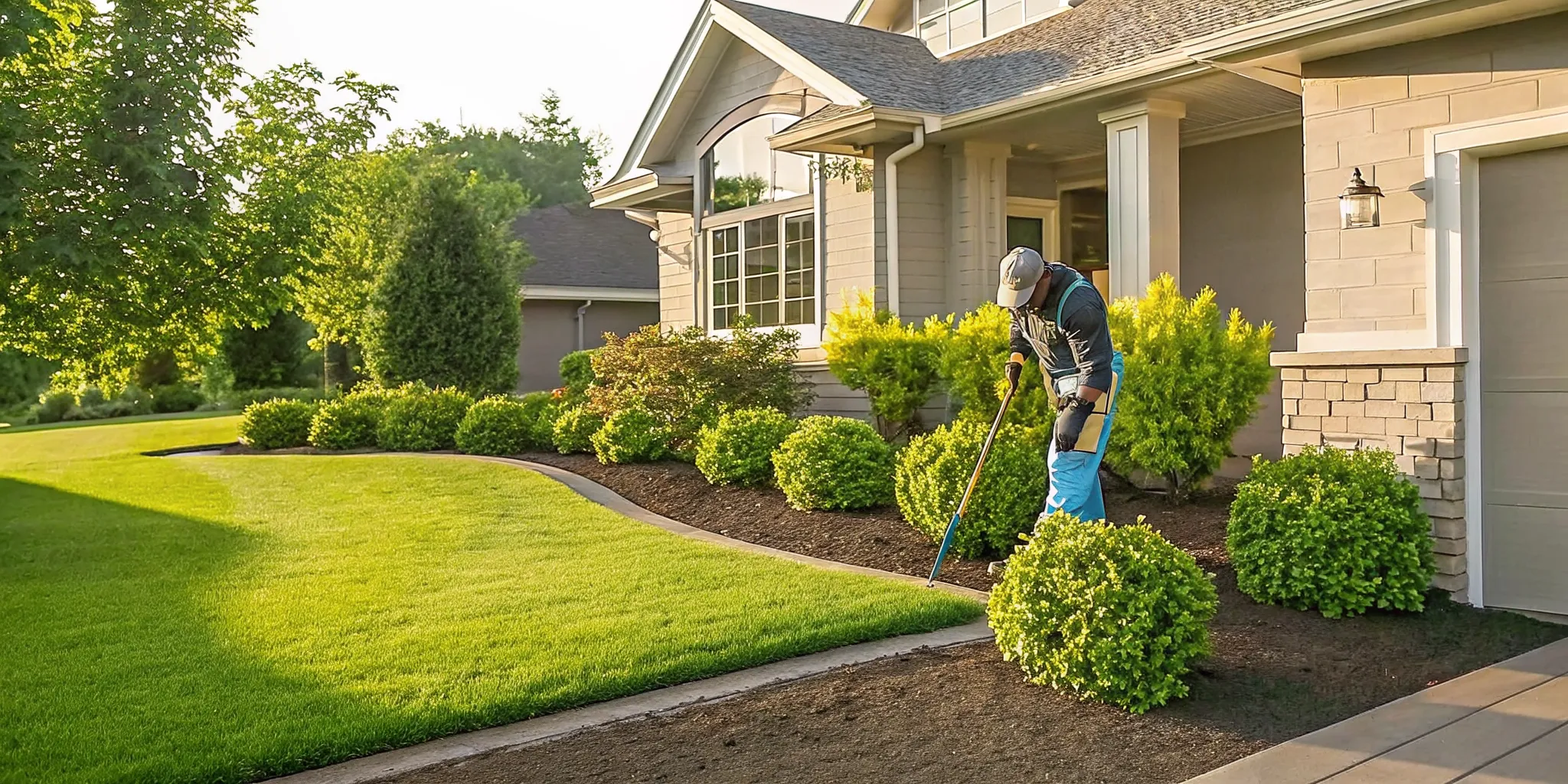
How ExperiGreen Builds a Personalized Lawn Program
ExperiGreen organizes care around recurring visits and the needs identified on each lawn. A personalized program considers regional growing conditions, grass type, seasonal pressure, and the homeowner’s priorities. Technicians can then deliver scheduled treatments, observe changes, and communicate practical actions the homeowner can take between professional visits.
Property observations guide the work
Brown turf, bare areas, or weeds are symptoms, not complete diagnoses. Similar-looking problems may come from drought stress, compacted soil, mowing damage, insect activity, disease pressure, or a combination of factors. A technician’s observations help narrow the likely cause before a treatment is selected. That reduces guesswork and keeps the program focused on relevant needs instead of random applications.
Personalization also means recognizing what a lawn program does not do. Recurring treatments cannot compensate for chronic overwatering, cutting grass too short, or ignoring a broken irrigation pattern. A strong provider explains both the work completed during a visit and the homeowner practices that support it. This shared approach makes each application part of a continuing plan rather than an isolated event.
Soil support is part of turf support
Grass depends on the soil beneath it for water, air, and access to nutrients. When soil is compacted, poorly balanced, or low in biological activity, the turf can struggle even when the surface looks temporarily green. ExperiGreen’s use of natural soil-building products containing amino acids, sea plant extracts, and beneficial bacteria adds a soil-focused element to the program.
Some lawns may benefit from further soil services, such as liquid aeration, lime soil amendment, or soil analysis, depending on the program and local conditions. Soil analysis can provide information that helps guide decisions instead of relying only on surface appearance. Because soils and grasses vary across ExperiGreen service areas, the appropriate combination of services can differ by region and property.
Which ExperiGreen Program Fits Your Lawn?
ExperiGreen offers Essential, Preferred, and Preferred+ program levels with different visit ranges and included services. The right fit depends on the lawn’s condition, grass type, region, and desired scope of care. Program availability and treatment timing vary, so homeowners should confirm local details before selecting an option.
| Program | Typical Visits | Visit Cycle | Included Program Detail |
|---|---|---|---|
| Essential | 6-8 visits | Approximately every 5-7 weeks | Personalized recurring lawn care foundation |
| Preferred | 8-10 visits | Scheduled for the regional program | Essential-level care plus surface-feeding insect control, grub control, and liquid aeration |
| Preferred+ | 10-12 visits | Scheduled for the regional program | Preferred-level care plus lime soil amendment, overseeding, and soil analysis |
Essential: a recurring care foundation
The Essential program includes 6-8 visits on 5-7 week cycles. This recurring rhythm allows treatments and observations to follow the active lawn season rather than depending on one large application. It can suit homeowners who want a personalized professional foundation and ongoing attention while continuing to manage mowing and watering themselves.
Preferred: added insect and soil care
The Preferred program includes 8-10 visits and adds surface-feeding insect control, grub control, and liquid aeration. This expanded scope may be appropriate when a homeowner wants broader protection and soil-focused support incorporated into the plan. Liquid aeration is distinct from mechanically removing soil plugs. This guide to liquid aeration versus core aeration explains how the two approaches differ.
Preferred+: the broadest listed program
The Preferred+ program includes 10-12 visits and adds lime soil amendment, overseeding, and soil analysis to the Preferred services. Overseeding can help improve density where it is appropriate for the grass type and region, while soil analysis provides added information about below-ground conditions. Lime is a soil amendment, not a universal lawn remedy, so its use should be guided by the program.
These program descriptions are a practical comparison, not a promise that every treatment is appropriate everywhere. Service availability, visit timing, and recommendations vary by region, grass type, weather, and property conditions. ExperiGreen does not need to force a lawn into a fixed template; the purpose of program selection is to match the available care level with the lawn’s real needs.
Core Treatments and the Problems They Address
Professional treatments work best as connected parts of a lawn-health plan. Fertilization supports growth, weed control limits competition, insect services protect vulnerable turf, and soil-focused services improve growing conditions. Understanding the purpose of each treatment helps homeowners evaluate recommendations and recognize why a healthy lawn usually requires consistent care.
Fertilization and weed control
Fertilization supplies nutrients that turf uses for growth, color, and recovery. The correct timing and application depend on grass type and season. Too much or poorly timed fertilizer can create problems, which is why a coordinated program is more useful than applying products whenever the lawn looks pale. Professional fertilization and weed control pairs nutrition with a strategy for reducing unwanted plants.
Weeds often reveal an opportunity in the lawn. Thin turf, bare soil, excessive moisture, or compacted areas can give them room to establish. Pre-emergent and post-emergent approaches serve different purposes, and not every weed responds to the same treatment. A personalized plan identifies the weeds present and addresses the turf conditions that may be helping them return.
Insect control and grub control
Surface-feeding insects damage grass above the soil line, while grubs feed below the surface. Because their symptoms can resemble heat or drought stress, identification matters. Preferred and Preferred+ include surface-feeding insect control and grub control, providing a broader layer of support than the Essential program. Homeowners should still report sudden changes so the service team can evaluate them promptly.
Aeration, overseeding, lime, and soil analysis
Soil-focused treatments address conditions that surface applications alone cannot fully resolve. Liquid aeration is included in Preferred and Preferred+. Preferred+ adds overseeding, lime soil amendment, and soil analysis. Overseeding aims to improve turf density where appropriate. Soil analysis provides evidence for soil decisions, and lime can help amend soil when conditions support its use. None should be treated as an automatic cure for every lawn.
Ready to compare personalized program options? Visit ExperiGreen’s Instant Quote to take the next step.
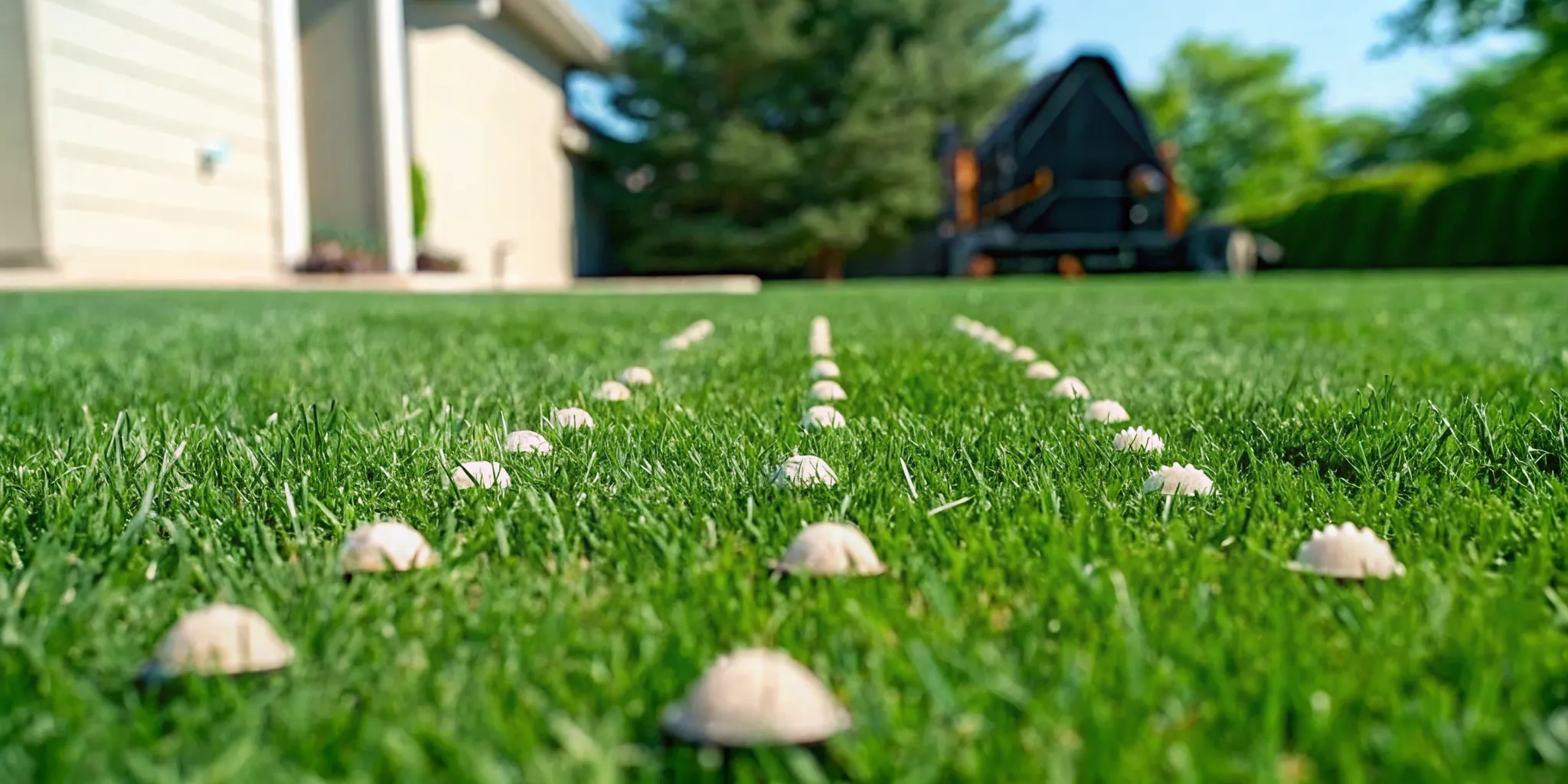
How Seasonal Visits Support Consistent Turf Health
Recurring visits allow a lawn program to respond as turf growth, weeds, insects, and weather pressures change. Rather than relying on a one-time treatment, technicians can deliver seasonally relevant care and observe progress. Homeowners benefit from continuity, while the lawn receives support at several important points during its active cycle.
Early-season preparation
As growth resumes, the lawn may need nutrition and attention to weeds that emerge early. The service approach depends on local timing because spring arrives differently across ExperiGreen regions. Technicians can also note winter damage, bare areas, drainage concerns, or other conditions that may influence the rest of the plan. Early observations create a baseline for later visits.
Warm-weather monitoring
Heat, moisture, weeds, and insects can place additional pressure on turf during warmer months. A scheduled visit provides an opportunity to apply the planned treatment and review new symptoms. This does not remove the homeowner’s role. Appropriate watering and mowing remain essential, especially when weather becomes stressful. Reporting a fast-developing brown patch also helps the team assess it sooner.
Late-season recovery and preparation
Later visits can focus on strengthening turf and addressing needs that align with the regional grass type. Overseeding, for example, is useful only where and when it suits the turf and local growing cycle. The number of visits also depends on the chosen program: Essential includes 6-8, Preferred includes 8-10, and Preferred+ includes 10-12. More visits represent a broader included scope, not a guarantee of a particular outcome.
Consistency gives the provider a clearer view of how the lawn responds over time. It also helps homeowners avoid a cycle of reacting to every symptom with a different store product. When a treatment plan, observations, and homeowner practices work together, decisions become more deliberate and easier to evaluate from one season to the next.
When Should You Hire a Professional Lawn Care Provider?
Professional care is worth considering when lawn problems persist, diagnosis is uncertain, treatment timing is difficult to manage, or you want a coordinated plan instead of separate DIY products. A provider can organize specialized services and recurring observations, while you continue the everyday mowing and watering practices that healthy turf requires.
You are treating symptoms without solving the cause
If weeds return quickly, thin areas keep expanding, or brown patches appear despite your efforts, the visible issue may have more than one cause. Applying fertilizer to insect-damaged turf or adding water to a poorly drained area may make matters worse. A professional evaluation can help distinguish likely causes and recommend a more focused next step. Homeowners can also review common reasons for dead grass and lawn decline before discussing symptoms.
You want better timing and fewer product decisions
DIY lawn care requires choosing products, measuring applications, storing materials, tracking timing, and adapting to weather. Some homeowners enjoy that work. Others prefer a professional program that places those specialized decisions within a recurring schedule. Hiring a provider can reduce guesswork, but it does not eliminate the need to communicate about pets, access, irrigation, or changes you observe.
You want support for soil and turf together
A surface-only approach may not be enough when compaction, soil conditions, or low turf density contribute to the problem. ExperiGreen’s program levels provide options that add liquid aeration, soil analysis, lime soil amendment, and overseeding. The appropriate services depend on the property, so a conversation about current conditions is more useful than simply selecting the largest program by default.
How to Compare Providers and Program Options
Compare lawn providers by examining personalization, included treatments, visit frequency, communication, and regional experience rather than focusing on a single headline feature. A trustworthy program should clearly explain what it includes, what the homeowner must do, and why recommendations fit the property’s grass type, soil conditions, and seasonal needs.
Ask what is included
Request a clear explanation of the visit range and included services. Ask whether insect control, grub control, aeration, overseeding, lime, or soil analysis are part of the program you are considering. Also confirm which activities remain your responsibility. Lawn treatment programs typically do not replace routine mowing and watering, and the quality of those habits can influence how the turf responds.
Ask how the plan changes by region and grass type
A provider should be able to explain why care differs across regions and grasses. Treatment timing for cool-season turf is not identical to timing for warm-season turf. Weather can also shift application windows. Look for a team that treats the schedule as a framework guided by local conditions, not as a rigid calendar applied without observation.
Look for useful communication
Good communication turns each service visit into information you can use. Homeowners should understand what was applied, what the technician observed, and whether any mowing, watering, or access action is needed. Ask how to report a concern between visits and what details or photos would help. Clear expectations support a more productive relationship and make it easier to track changes.
Finally, avoid choosing a program based on unsupported promises. Lawn outcomes depend on grass type, weather, soil, irrigation, mowing, past damage, and other factors. A personalized program provides coordinated professional care, but it should not be presented as a guaranteed shortcut. The strongest choice is the program whose included services and regional approach make sense for your property.
Frequently Asked Questions
These concise answers cover the questions homeowners most often ask when evaluating a professional lawn program. They clarify visit frequency, homeowner responsibilities, program differences, and regional variation. Use them as a starting point, then confirm the exact services available for your property and grass type with ExperiGreen.
How often does ExperiGreen visit a lawn?
Essential includes 6-8 visits on 5-7 week cycles. Preferred includes 8-10 visits, and Preferred+ includes 10-12 visits. Exact timing can vary by region, grass type, weather, and property needs.
Does a lawn care program replace mowing and watering?
No. Homeowners remain responsible for routine mowing and watering. Professional treatments work best when paired with appropriate mowing height, irrigation, and communication about changing lawn conditions.
What is the difference between Preferred and Preferred+?
Preferred includes surface-feeding insect control, grub control, and liquid aeration. Preferred+ includes those services and adds lime soil amendment, overseeding, and soil analysis.
Are the same treatments used in every region?
No. Programs and recommendations vary by region, grass type, seasonal timing, weather, and property conditions. ExperiGreen personalizes care rather than assuming every lawn needs the same treatment.
Choose a program built around your lawn. Get a FREE Quote from ExperiGreen today.