
Bare spots are rarely fixed by scattering seed over the surface and hoping for rain. In a Midwest lawn, compacted soil, clay-heavy ground, changing moisture, and the wrong grass choice can all make a patch return after a brief improvement. The lasting repair starts below the grass line.
To learn how to fix bare spots in lawn, remove dead material. Loosen the top 2 to 3 inches of soil, and press in seed that suits the area’s sun and climate. Good seed-to-soil contact supports germination, while light, frequent watering keeps the surface moist until new growth appears. Source: University of Minnesota Extension.
That process can work well for a small, isolated patch, but it is only part of the solution. Before choosing seed, determine what weakened the grass in the first place. Identifying the cause helps you match the repair to the conditions and reduce the chance that the same bare area comes back.
What Actually Causes Bare Spots in a Lawn?
A bare spot is usually a symptom, not the whole problem. Before spreading seed, inspect the area and consider what changed. A repair may fail if the underlying cause continues to stress or remove the grass.
Compacted soil and poor growing conditions
Foot traffic, play, mowing patterns, and heavy equipment can press soil particles together. Midwest lawns often have clay soil, which can become especially dense when it is worked while wet. Compaction limits the movement of air, water, and nutrients around grass roots, leaving thin areas that eventually turn bare. Core aeration can reduce compaction and make it easier for roots to spread.
Shade is another common cause. Grass beneath trees, beside fences, or near buildings may receive too little sunlight for the selected variety to stay dense. Drainage problems, low fertility, and incorrect mowing height can create similar stress. A soil test can help determine whether pH or nutrient conditions are contributing, rather than leaving you to guess.
Pet waste, insects, and lawn disease
Pet urine can create brown or bare spots because its high nitrogen content may damage grass roots, especially when one area is used repeatedly. Pet waste is one documented cause of bare patches, but it is not the only one. Grubs can feed below the surface and loosen roots, while other pests may weaken turf from above or below. If the damaged grass lifts easily or birds and animals are repeatedly digging in the area, start with checking for grub damage before reseeding.
Not every discolored area is dead grass. Disease can produce irregular brown patches that expand under favorable conditions. Compare the shape, color, and progression of the damage with guidance on identifying brown patches in your lawn. Once you know whether the issue is compaction, shade, pests, pet waste, or disease. You can choose soil preparation and seed or sod that address the real reason the patch formed.
How to Fix Bare Spots in Lawn in Seven Simple Steps
Successful patch repair depends on giving new seed direct contact with prepared soil. Work through these steps when the existing grass is actively growing, and address the reason the area became bare so the repair has a better chance to last.
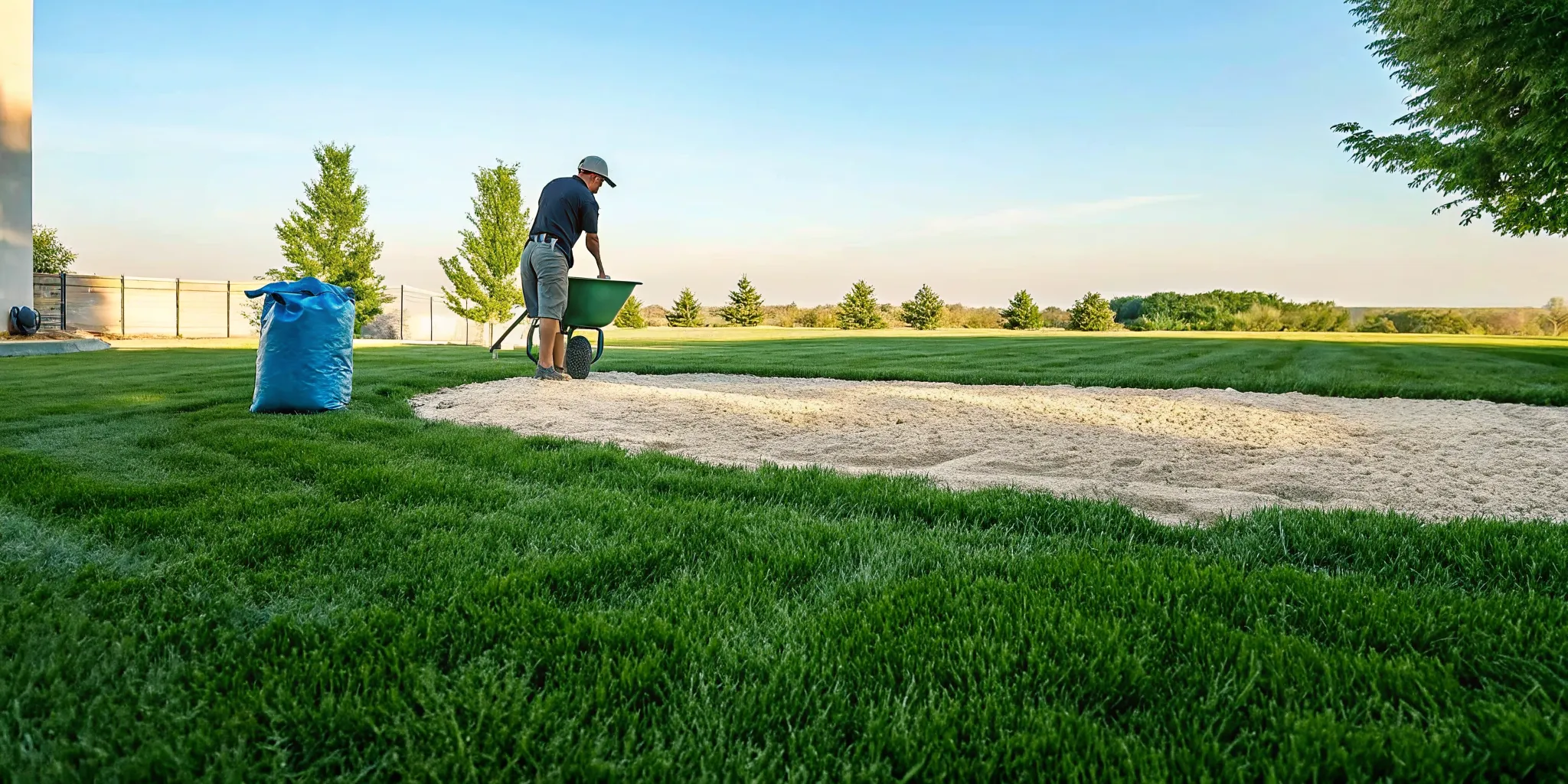
- Remove dead material. Rake away dead grass, leaves, thatch, and loose debris from the patch. Exposing the soil helps you see whether the area is compacted, uneven, or affected by another lawn problem.
- Loosen the soil. Use a garden rake or hand cultivator to loosen the top 2 to 3 inches of soil. This creates a more workable seedbed and improves seed-to-soil contact, which is important for germination. Avoid simply scattering seed over hard, sealed soil. University of Minnesota Extension guidance also emphasizes loosening the soil before seeding.
- Aerate compacted areas. If the soil is difficult to penetrate, drains slowly, or receives frequent foot traffic, aerate before seeding. Core aeration reduces compaction and allows water and nutrients to reach roots more easily. It also creates additional openings for seed to settle into the soil.
- Amend the seedbed. Add a thin layer of quality topsoil or compost if the patch is low, depleted, or composed of poor soil. Blend it lightly into the loosened surface rather than burying the existing lawn edge. Use clean, screened material so you do not introduce rocks or unwanted debris.
- Choose and spread the seed. Select a grass type suited to your Midwest climate and the patch’s sun conditions. Spread seed evenly over the prepared area, following the product label for coverage. For larger or recurring patches, professional seeding services can help match the repair approach to the lawn’s conditions.
- Gently rake the seed in. Lightly rake the surface so the seed is covered by a shallow layer of soil. Do not bury it deeply, and avoid aggressively disturbing the surrounding turf. Good contact matters more than pressing the seed far below the surface.
- Water lightly and often. Keep the repaired area consistently moist by watering lightly and frequently until the seed germinates. Avoid heavy streams that wash seed away or create puddles. Once seedlings are established, gradually reduce watering frequency while increasing the amount applied, encouraging deeper root growth.
Inspect the patch regularly as it develops. If it repeatedly fails despite proper preparation and moisture, investigate compaction, shade, pests, or another underlying cause before reseeding again.
Seed or Sod: Which Is Right for Your Patch Repair?
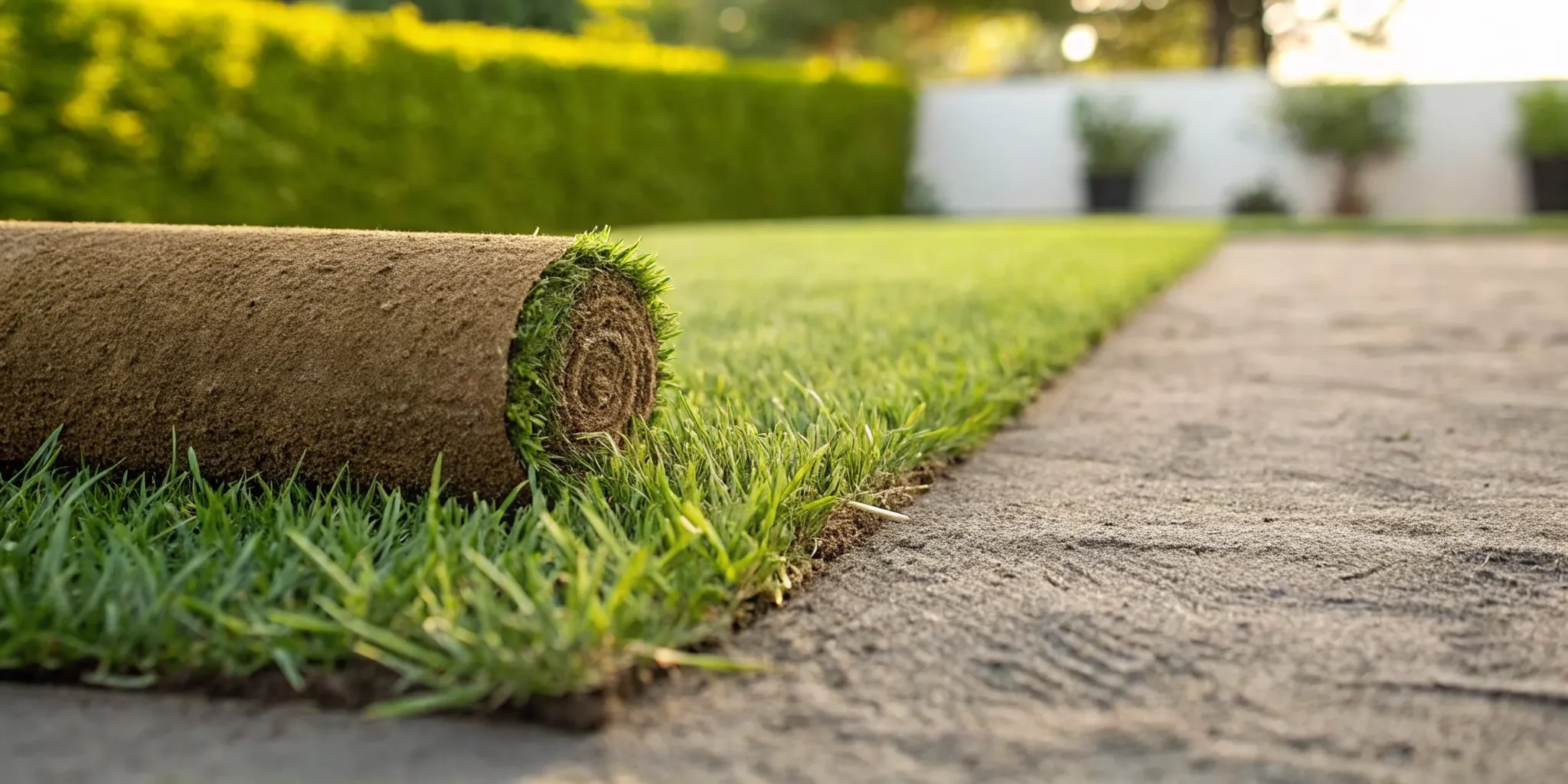
For most small bare spots in a Midwest cool-season lawn, seed is the practical starting point. It costs less, blends more naturally with the surrounding grass, and lets you choose a mix suited to the patch’s sunlight and climate. Sod is the faster visual repair, but it usually costs more and may stand out if its grass type or color differs from the established lawn.
| Consideration | Seed | Sod |
|---|---|---|
| Best for | Small or irregular patches, thin areas, and repairs that should blend into existing cool-season turf. | Larger, clearly defined patches where quick surface coverage matters. |
| Cost and effort | Generally the lower-cost option, but it requires careful soil preparation and consistent watering. | Usually the higher-cost option, with more material handling and preparation before installation. |
| Appearance and timing | Fills in gradually as the seed germinates and establishes. | Provides an immediate green surface, but still needs time to root into the soil. |
| Long-term fit | Choose a grass type suited to the local climate and the patch’s sun conditions, as recommended by the EPA’s landscaping guidance. | Use sod that matches the existing lawn’s grass type, growing conditions, and maintenance needs. |
Before either option, address the soil beneath the patch. A soil test can show whether pH is limiting growth and whether lime or other nutrients may be appropriate, according to Purdue Extension guidance. Simply covering compacted or unbalanced soil can produce another thin area rather than a durable repair.
If seed is the better fit, spend time on choosing the right grass seed instead of grabbing a generic blend. For a small patch, match the existing turf as closely as possible. For a large repair, a recurring failure, or a patch that receives difficult shade. A lawn care professional can help evaluate the site before you invest in seed or sod.
Ready to make the repair last? Request Your Free Lawn Care Quote today.
Why Fall Is the Best Repair Window in the Midwest
For many Midwest lawns, fall offers the most favorable balance of soil and weather conditions for repairing thin or bare areas. Cool-season grasses can establish while the soil is still holding summer warmth, but cooler air reduces the stress that can slow new growth. This combination gives seed a better environment for germination and early root development than the extremes of summer heat or winter cold.
Fall also fits the growth pattern of cool-season turf common across the Midwest. As temperatures moderate, grass can direct more energy toward root growth and density. That matters when a bare area is not just a cosmetic issue, but a sign that the surrounding turf needs to become stronger and thicker. Overseeding is one practical approach because it spreads new seed across existing grass, helping fill thin areas without requiring the entire lawn to be replaced. See our guide to overseeding to fill in bare spots for additional preparation and timing guidance.
Warm soil supports germination
Seed needs consistent contact with prepared soil and adequate moisture to germinate. Fall soil can remain warm after the summer season, while cooler daytime and nighttime air makes it easier for young grass to avoid heat-related stress. Before spreading seed, remove loose dead material and prepare the surface so the seed can reach the soil. The University of Minnesota Extension recommends loosening the top 2 to 3 inches to improve seed-to-soil contact, an especially useful step where Midwest clay soil has become compacted.
Less competition from weeds
Fall can also reduce competition from actively growing warm-season weeds. With fewer aggressive weeds competing for sunlight, water, and nutrients, new cool-season grass has a better opportunity to occupy open space. Continue watering lightly and frequently while the seed germinates, and avoid treating the repair as a one-time fix. If bare spots return each season, the underlying cause may be compaction, shade, pests, or another lawn-health issue that needs a broader plan.
Watering and Aftercare for Newly Seeded Patches
New seed needs consistent moisture to germinate, but a bare patch can wash out or develop shallow roots if it stays saturated. Water lightly and frequently enough to keep the soil surface moist until the seeds germinate. The goal is damp soil, not standing water. Check the patch with your finger, especially after sun, wind, or a heavy shower, because exposed soil can dry faster than the surrounding lawn.
Adjust watering to the season
In a cool, mild season, the patch may need only a brief watering once or twice a day, depending on rainfall and soil texture. Warm, sunny, or windy conditions can require more frequent checks. Clay soil may hold moisture at the surface while drying below it, so avoid relying on a fixed schedule alone. If the surface looks dry or the seed is exposed, add a short, gentle watering. If water begins to pool or run off, pause and let the area absorb it before watering again.
Reduce stress as seedlings emerge
Use a gentle spray pattern so the seed stays in place. Avoid walking across the patch, letting pets use it, or dragging hoses over it while seedlings are developing. Once the new grass is established and can tolerate normal foot traffic, gradually move toward deeper, less frequent watering. This encourages roots to grow farther into the soil rather than remaining near the surface.
Know when to mow
Do not mow immediately after seeding. Wait until the new grass is tall enough to cut without exposing or pulling up the seedlings. And make sure the soil is firm enough that the mower will not leave ruts. Use a sharp blade and remove only a small portion of the grass height. If the patch is still thin, soft, or easily disturbed, give it more time. For related soil preparation and aeration and seeding guidance, address compaction before expecting new roots to fill the area.
When to Call a Lawn Care Professional
Small, isolated bare spots may respond to careful soil preparation, quality seed, and consistent watering. A professional consultation becomes especially valuable when the damaged areas are large, keep returning, or appear in several parts of the lawn. Recurring patches often point to an underlying issue, such as compacted clay soil, poor growing conditions, pests, or an ongoing lawn-care gap. Replacing the grass without addressing that cause can leave you repeating the same repair.
Consider professional help for large or recurring patches
A lawn care professional can evaluate the affected areas and help determine whether seeding is appropriate. The evaluation may include checking soil conditions, identifying compaction, assessing sunlight and drainage, and looking for signs of pest or disease pressure. That diagnosis matters because the right repair depends on why the grass disappeared. A shaded area, for example, may need a different grass type or maintenance approach than a high-traffic area with compacted soil.
Professionals can also aerate compacted ground, test the soil, and select seed suited to the local climate and sun conditions. Aeration helps water and nutrients move toward the roots, while soil testing can reveal whether pH or nutrient conditions are limiting growth. These steps can improve the foundation for new grass instead of treating the bare spot as an isolated cosmetic problem.
Think beyond a one-time patch
Healthy turf generally benefits from an ongoing program rather than a single application. ExperiGreen’s lawn-care programs may include 6 to 12 annual applications, depending on the property and its needs. A local professional can help match the plan to your lawn’s condition, grass type, soil, and seasonal demands without relying on a one-size-fits-all schedule.
For homeowners managing a larger repair or repeated bare spots, explore ExperiGreen’s seeding service and request a free quote. A consultation can clarify whether seeding, aeration, soil improvements, or a broader lawn-care plan is the most practical next step.
How to Prevent Bare Spots From Coming Back
A successful repair depends on more than getting new seed to sprout. The surrounding lawn needs conditions that support strong roots and steady growth, or the same patch may open again. Start by identifying the cause. Compacted soil, inconsistent watering, mowing stress, shade, pests, and pet activity can all weaken turf. Treating the symptom without correcting the cause makes repeat bare spots more likely.
Build healthier soil and denser turf
In clay or heavily used areas, schedule core aeration as part of the lawn care plan. Aeration helps reduce soil compaction, allowing water and nutrients to reach roots more easily and giving roots room to spread. This is especially useful where foot traffic or dense soil keeps grass thin. Avoid working wet soil, since it can smear and compact rather than open up.
Dense turf is another line of defense. Overseeding fills thin areas with new grass growth, helping the lawn crowd out weeds and leaving fewer open spaces for new problems. For a deeper look at overseeding to fill in bare spots, follow the recommended timing and seed-selection guidance for your lawn.
Keep routine care consistent
- Water deeply and appropriately: After establishment, adjust watering to weather, soil, and lawn needs rather than allowing repeated drought stress or keeping the surface constantly saturated.
- Mow at the proper height: Follow the recommended height for your grass type, keep blades sharp, and avoid removing too much leaf tissue in one mowing.
- Feed according to a program: Apply fertilizer based on the lawn’s season, grass type, and soil needs. Excess fertilizer can create stress, while too little may leave turf thin.
- Watch high-risk areas: Inspect spots near sidewalks, play areas, pet routes, and shaded sections regularly so small problems can be corrected before roots die back.
If a patch repeatedly returns despite consistent care, reassess the site instead of simply adding more seed. A soil issue, drainage problem, disease, pest pressure, or unsuitable grass variety may require a different solution.
Frequently Asked Questions
Do I need to remove dead grass before seeding bare spots?
Yes. Rake away dead grass, loose thatch, and debris so seed can reach the soil. Then loosen the top 2 to 3 inches and level the area before spreading seed. This improves seed-to-soil contact and gives new roots a workable place to grow. University of Minnesota Extension recommends loosening the soil before seeding.
How often should I water grass seed on a bare spot?
Water lightly and frequently enough to keep the soil surface consistently moist while the seed is germinating. Avoid flooding the patch, which can wash seed away or create standing water. Once the new grass is established, gradually reduce frequency and water more deeply. Adjust for rainfall, temperature, soil type, and sun exposure.
When is the best time to fix bare spots in a Midwest lawn?
Early fall is often a strong repair window for cool-season Midwest lawns because new grass can establish before winter without the same heat stress as midsummer. Spring can also work when soil and weather are suitable. Match the seed to your local climate and the patch’s sun conditions, then follow with consistent watering.
How do I fix large bare spots in my lawn?
Large areas need more than a quick handful of seed. Identify and correct the cause, remove dead material, prepare the soil, and choose between seed and sod based on the site’s size, timing, and conditions. If compaction is widespread, aeration can help water and nutrients reach the roots more easily. Recurring or extensive damage may warrant a professional assessment.
Why did my bare spots come back?
Recurring bare spots usually indicate that the underlying cause was not corrected. Pet waste, compacted soil, excessive shade, pests, poor drainage, and mismatched grass can all contribute. Inspect the area before repairing it again. A soil test can reveal whether pH or nutrient conditions are limiting growth, while checking for pest damage can help prevent another short-lived patch.
Ready to Repair Bare Spots for Good?
Recurring or widespread bare spots may need more than a quick patch. A lawn care professional can help identify the underlying issue and recommend a practical seeding plan for your lawn. Ready to repair bare spots for good? Get Your Free Lawn Care Quote and a professional will build a practical seeding plan for your lawn.
ExperiGreen serves homeowners in Chicago, Charlotte, Canton/Akron, Cincinnati, Columbus, Detroit, Indianapolis, South Bend, and more.