
A patchy, weed-filled yard needs a full season of care to build a healthy foundation. Reclaiming your lawn takes patience and consistent work. Professional treatments must work with nature to fix soil and root issues over time.
Your first year lawn care program focuses on fixing poor soil, killing tough weeds, and growing a strong root system to rebuild your yard from the ground up. Homeowners can expect steady progress from a plan of six to twelve yearly visits, starting with spring weed control and continuing through summer grub treatment and fall aeration. According to experts at the University of Minnesota Extension, growing a truly thick lawn is a slow process that takes nearly a full season of care. Sticking to this steady plan helps your yard build the deep roots and thick grass it needs to crowd out weeds and stay bright green for many years.
You might wonder how a new program gets your grass on the right path and what specific services you will receive. To help you understand what comes next, we will walk you through the key elements of your early treatments. Learning about What a First Year Lawn Care Program Includes is the best way to set goals, and the path begins with a few basic steps.
To get started on your own lawn goals, request a free quote today.
What a First Year Lawn Care Program Includes
Homeowners who want a green lawn often look for a professional lawn care program to save time and effort. In the first year, the focus is on fixing soil issues and clearing out tough weeds. It is not just about spreading fertilizer on your grass. It is about building a strong root system so your turf can thrive. This process takes time, but the long-term results are worth the wait.
The initial lawn assessment
Every lawn has different needs. These depend on soil health and grass type. A good plan starts with a close look at your dirt to find nutrient gaps. This helps your team choose the right feed for your yard. Some soils need lime to balance pH, while others need specific minerals. There are key questions to ask a lawn care company before you hire them to make sure they do this test right.
Seasonal growth treatments
To get the best results, a standard plan has six to twelve annual visits for feeding and weed control. This keeps the soil full of nutrients through the seasons. It also stops new weeds from taking over. You can often find a no-contract lawn care program that lets you adjust these visits as your lawn improves. This choice gives you peace of mind while your grass grows.
Here is what your first year plan will typically include:
- Soil analysis: A professional test checks soil health and pH to build a baseline for future treatments.
- Fertilization program: Your lawn gets six to twelve annual feedings to help grass roots grow deep and strong.
- Weed control: Targeted products stop broadleaf weeds and crabgrass before they can spread and take over the yard.
- Grub control: A single preventative application stops lawn-destroying pests before they hatch and eat grass roots.
- Core aeration: Pulling soil plugs relieves soil compaction and lets water, air, and food reach the root zone.
- Overseeding: Planting new grass seed thickens the turf and helps crowd out invasive weeds naturally.
- Mowing guidance: Your service team will give tips on proper mowing height to keep your lawn healthy and strong.
Specialized lawn protection
Along with food and weed control, your lawn needs protection from pests and heavy compaction. Grub control is a single preventative application timed to local pest lifecycles to stop damage before it starts. Also, adding new seed helps fill in bare spots. According to the University of Minnesota Extension, it takes nearly a full season to achieve a mature and durable lawn. Proper care during this first year makes all the difference for your yard’s future.
How Long Before a First Year Lawn Care Program Shows Results?
Starting a new lawn care routine is an investment in your home. You likely want to see a green, thick lawn right away. But building a healthy yard takes time, and results from a first year lawn care program build over time. Your first treatments protect and stabilize the lawn. Later visits make the grass thick and build deep roots. You will not get instant changes, but you will see steady progress over the seasons.
Initial stabilization and weed control
The first few visits of your program focus on weed control and soil nutrients. You will often see weeds start to curl and die within ten to fourteen days of the first treatment. But the timing of these results can vary based on whether you face annual or perennial weeds.
Annual weeds grow from seed each year and are easy to control. Perennial weeds have deep roots and need more visits to clear. If you are choosing between DIY vs professional lawn care, a pro program can help. Expert teams tackle these tough weeds with the right products at the right time.
If you have a newly seeded yard, weed pressure will be greater than in a sodded lawn. New grass lacks the thickness to crowd out wild plants. Early weed treatments protect these young shoots. This first phase stabilizes the yard by stopping weeds from taking over.
Growth patterns of cool-season versus warm-season grasses
Your grass type also affects how fast you see progress. Cool-season grasses, like bluegrass and fescue, grow fast in the spring and fall. If you start a Midwest spring lawn care checklist, you might see quick growth within a month. Warm-season grasses, like Bermuda or Zoysia, thrive in summer heat. They take longer to green up in the spring. Due to these cycles, fescue lawns show results in a few weeks, but Bermuda lawns need warm soil to show deep color.
Long-term soil and root health
The real success of a lawn program happens underground. While weed control shows clear results quickly, building a deep root system takes a few months. Later treatments feed the soil and help the grass grow thick and dense. This thickness is what keeps future weeds from growing. A healthy lawn is a long-term process, not a quick fix. By sticking with the program through the first year, you build the foundation for a yard that stays green.
Your First Year Lawn Care Program Timeline, Season by Season
Starting a first year lawn care program is a smart step for your home. It takes time and steady care to build a thick, green yard. You can expect changing lawn care steps as the weather changes through the year. Each season has a clear goal, and every treatment builds on the last one to improve your soil and roots.
Spring and summer plans
Your lawn starts its path to health in the early spring. In Midwest cities like Chicago and South Bend, treatments begin when the ground thaws. In Southeast areas like Charlotte, the schedule starts much earlier. Early visits focus on feeding the grass and stopping crabgrass before it grows. You will notice these changes as you begin the start of your lawn care program in the spring. Lawn care experts look at your yard’s unique needs during these first visits. This care helps tailor the treatments for the local soil.
As summer heat arrives, your lawn needs defense from pests and weeds. Soil treatments during this warm time keep grass strong. Pests like grubs feed on grass roots during late summer. A single grub treatment stops them before they can do real damage. We also apply spot treatments for weeds that thrive in the heat. These visits keep weeds from crowding out your grass.
Fall and winter steps
Late summer and early fall are the most critical times for your yard. This is when your yard receives aeration and new seed. According to the University of Minnesota Extension, starting a lawn from seed takes nearly a full season to reach full growth and strength. For best results, seeding should be done in late summer or early fall. Aeration pulls plugs of soil to let air, water, and food reach the roots.
This process breaks up hard soil, which is a big issue in clay yards. New seeds can then contact the soil directly to sprout quickly.
In winter, lawn care changes to planning and prep. The grass goes dormant and stops growing, but the root zone still works. Cold-weather feeds help roots store food for the next year. This slow care builds a strong base for your yard’s second season. Winter is also the best time to test the soil pH. This test lets experts plan the right lime or sulfur treatments for the coming spring.
A season-by-season breakdown
A clear schedule helps you track progress. The table below shows what services your yard needs and what you will see in your first year.
| Season | Typical Services | What to Expect |
|---|---|---|
| Spring | Grass feeding, crabgrass prevention, weed spot checks | Grass wakes up and starts to green. Weeds will pop up but face control. |
| Summer | Slow-release food, weed control, grub prevention | Grass stays green in the heat. Grub protection guards the roots. |
| Late Summer / Fall | Core aeration, lawn seeding, starter food | Seeds sprout in warm soil. Young grass begins its growth process. |
| Winter | Late fall root feed, soil tests, next year prep | Grass turns brown and sleeps. Roots grow deep and store food. |
Fertilization, Weed Control, and Grub Control in Your First Year
The fertilization and weed control schedule
When you start a professional first year lawn care program, you build a healthy yard from the ground up. The process takes time and focus to get the best results. Your grass needs the right food and care throughout the seasons. Starting with a clear plan ensures that your soil gets proper care as the weather changes.
A standard program has six to twelve applications of fertilizer and weed control each year. These visits are spaced out to match the growth cycles of your lawn. A professional soil analysis shows exactly what nutrients your soil is missing. Your technician can then adjust the treatments to feed your grass what it needs to grow thick. Regular feedings help your lawn build a deep root system that can withstand heat and dry spells.
How progressive weed cleanup works
Weed control in a first year lawn care program is a step by step process. The first step is to clear out the weeds that are already growing in your yard. Once these weeds are gone, we apply pre-emergent products to stop new weed seeds from sprouting. This two-part approach keeps your lawn looking clean and helps grass spread. By stopping weeds early, your grass does not have to compete for water and sunlight.
You must know that weed cleanup takes time. Some weeds are tough and may need more than one treatment to die. Also, if you have a newly seeded lawn, weed pressure will be greater in the first year. Your lawn service team will check your grass on every visit to keep weeds under control.
Request a free lawn care quote now to get started.
Preventative grub control timing
Grubs are small pests that feed on the roots of your grass. This feeding can damage your lawn quickly and leave large brown spots. To protect your turf, professional programs use a preventative grub treatment. This is a single application that stops the pests before they can start eating the roots. Once grubs destroy the root system, the grass dies and you can pull it up like a carpet.
Timing is the key to good grub control. These treatments must be applied based on the local pest life cycles in your region. For most areas, technicians put down this service in the late spring or summer. Putting down the treatment at this time ensures it targets the young grubs before they grow.
A healthy lawn needs time and regular care to look its best. With proper fertilization and pest control, your grass will grow greener and stronger. Starting these services early creates a lush outdoor space you can enjoy all year.
Aeration and Seeding: The First-Year Foundation
A green lawn needs more than fertilizer and weed spray. It needs a strong base. Aeration and seeding are the key steps to build that base in a first year lawn care program. These two steps work together to loosen tight soil and add fresh, thick grass.
Reducing Soil Compaction
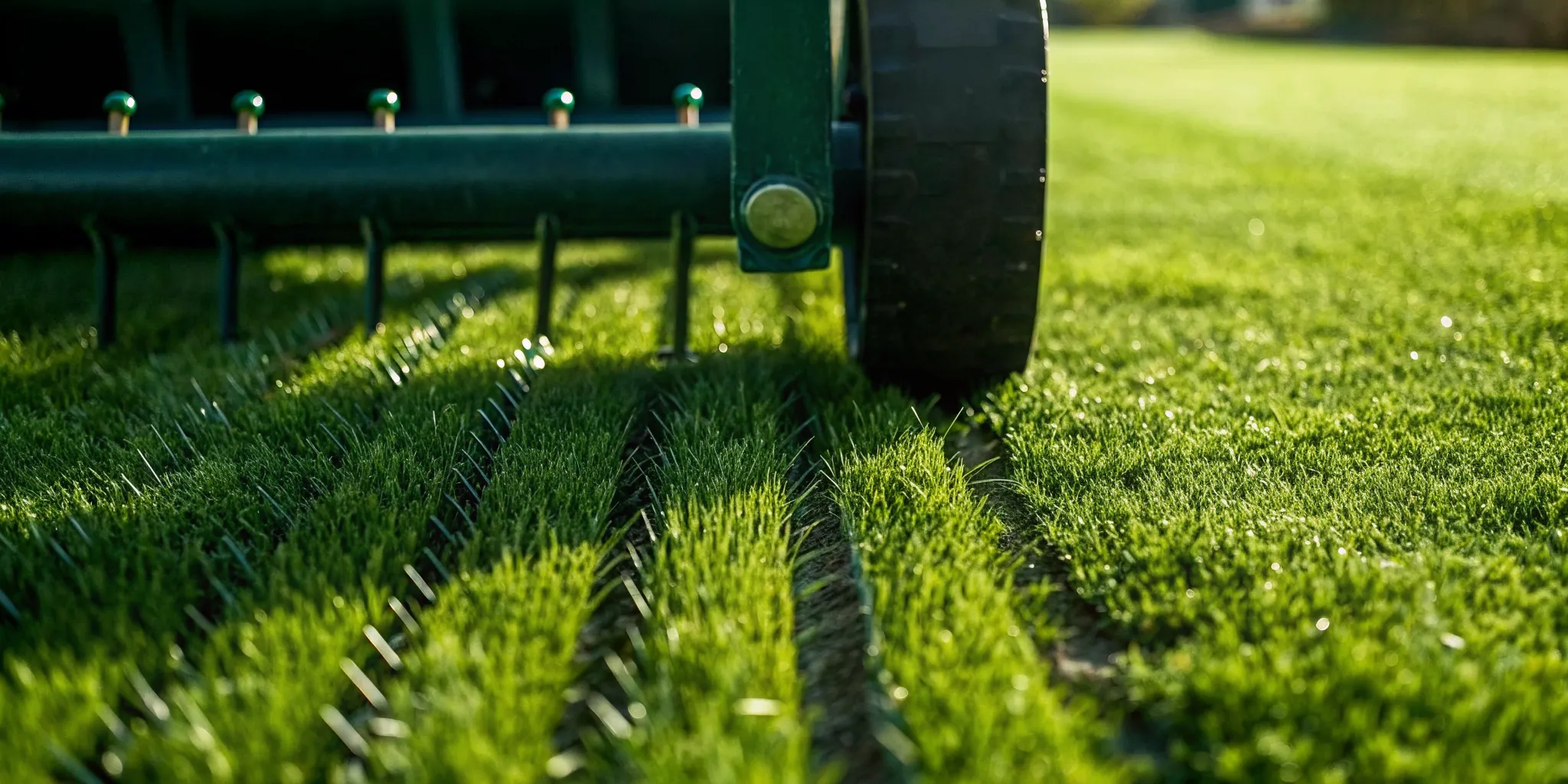
Over time, the soil under your lawn gets packed down, which blocks air, water, and food. Lawn aeration solves this problem. A machine pulls small plugs of soil out of the ground to let the dirt breathe. This process opens up pathways so the roots can grow deep and strong.
Timing is key for this step. Experts from the University of Minnesota Extension say seeding works best in late summer or early fall. During this season, warm soil and cool air give the seeds the best chance to sprout. This fall start helps your grass get ready for winter.
Planting New Seed
After aeration opens the soil, it is time to spread new seed. This step, called overseeding, fills in bare spots to make your lawn thick and crowd out weeds. But you must be patient. Research from the University of Minnesota shows that a new lawn takes nearly a full season to become mature.
In places like Charlotte, Detroit, or Chicago, clay soils make compaction a constant threat. Spreading seed after aeration ensures the seeds fall into the new holes. This puts them in direct contact with the soil, which helps them grow. Before you seed, you can also get a professional soil analysis to see if your dirt needs extra food.
Watering Your New Grass
Water is vital for new seed because if the seeds dry out, they will die. The University of Maryland Extension advises keeping the soil surface moist from sprouting and for several weeks after. You may need to water two or three times a day. These waterings should be light so the seeds do not wash away.
Once the grass starts to grow, you must change how you water. The University of Maryland Extension notes that as roots grow, you can let the surface dry. But the root zone must stay wet. This means you should water less often but deeper to help the roots grow strong.
How to Tell If Your Lawn Care Program Is Working
How can I tell if my lawn care program is working? When you start a first year lawn care program, you want to see progress. But lawn health does not change in one day. Knowing what to watch for over each season will help you find key signs of success and feel good about your yard.
Visible Signs of Lawn Improvement
The most clear sign of progress is less weed pressure. Over the first few months, you should see weeds begin to curl, brown, and die. At the same time, your grass will develop a much deeper green color. This change shows the soil is getting vital nutrients, and the turf will also grow thicker to block new weed seeds from taking root.
Some good signs you will notice over the season include:
- Fewer weeds popping up in your grass.
- A deeper, richer green color across the yard.
- Thicker grass that feels soft under your feet.
- Faster bounce back after dry summer spells.
- Fewer brown patches caused by lawn pests.
A healthy lawn also holds up better in dry spells. During hot summer weeks, a treated lawn stays green longer, recovers fast after rain, and faces fewer pest issues as the grass gets stronger. Growing a thick turf from seed is a process that takes nearly a full season to grow strong. As the grass fills in, it naturally crowds out pests and diseases.
Consistent Technician Communication
You do not have to track your lawn progress alone. Frequent talks with your lawn care team are a key part of this care. Your lawn pro will leave clear notes after each visit to explain what they did and what they saw in your yard. These reviews help you spot issues early, like dry spots, and tell you how to water or mow.
If you ever feel that something is not right, simply raise the issue with your lawn expert. They can make quick changes to your plan. Routine reviews help make sure your grass gets the exact care it needs at the right time. This simple teamwork keeps your yard on the right track all year long.
ExperiGreen serves homeowners in Chicago, Charlotte, Canton, Cincinnati, Columbus, Detroit, Indianapolis, South Bend, and more.
Frequently Asked Questions
How long does it take for a lawn care program to show results?
Growing your turf is a slow process. You will see weeds begin to curl and fade within two to three weeks of your first treatment. However, building a thick, healthy lawn takes time. Based on research from the University of Minnesota Extension, growing a strong and mature lawn takes nearly a full season. Steady care helps your yard heal and thicken over the first year.
When should I start a professional lawn care program?
You can start a lawn care program at any time of the year. Starting in spring helps prevent weeds and crabgrass before they sprout. Starting in fall helps your grass build strong roots before winter. If your plan includes new grass seed, you must time it right. According to the University of Minnesota Extension, late summer and early fall are the best times for seeding.
Do I need to aerate and overseed in my first year of lawn care?
Yes, aeration and seeding are great ways to fix hard soil and thin turf during your first year. Pulling small soil plugs lets air, water, and nutrients reach the grass roots. If you are seeding new grass, you must water it well. Guidelines from the University of Maryland Extension state that you should keep the soil surface moist for the first few weeks after sprouting.
Is grub control necessary in a first year lawn care program?
Yes, grubs can chew through grass roots and ruin your lawn. A single pest treatment in the late spring or summer can stop them before they cause major harm. Our team times this service to match local pest cycles so your yard stays safe. Adding grub control protects your lawn from pests and helps your new turf thrive throughout its first year.
Ready to Start Your First Year Lawn Care Program Today?
If you wait to start your lawn program, wild weeds and harmful pests can quickly take over your yard and destroy your thick grass. Starting today lets our local team feed your lawn soil, build deep roots, and stop new weeds from growing before they can ever spread. Our year-round plan gives your lawn the right treatments at the right times so you can get a thick and healthy yard much faster.
Ready to get a better lawn? Request a free quote for your first year lawn care program today. Our friendly local team is ready to help you get a thick, healthy, green yard that you can enjoy all year.