
Buying expensive fertilizer without knowing your soil health is often a waste of money. A professional soil analysis reveals the chemical balance of your yard so you can apply the right treatments. This data provides a clear path to a thick and green lawn.
Ready to see what your yard really needs? Get a FREE Quote today!
A soil analysis lawn service is the best way to find the exact needs of your yard. This process uses lab tests to check the levels of key nutrients like nitrogen and potassium in your dirt. It also looks at the pH level to see if your soil is too acidic for grass to grow well. By getting a pro report, you can stop using too much fertilizer. This saves you cash and keeps the local land safe. The University of Minnesota Extension says a lab test is the best tool to find the state of your soil before adding feed. These results help you build a plan that leads to deep roots and a tough lawn that stays green all year.
Many homeowners want to know why this data is so vital for a healthy yard. They often ask how a lab report can turn a yellow lawn into a green one. To see how this works, we must first look at What is a professional lawn soil analysis? The path begins with
Soil Analysis Lawn: What is a professional lawn soil analysis?
A professional soil analysis for your lawn is a deep look at the dirt beneath your grass. And at ExperiGreen, we believe it is the foundation of any successful lawn care program. It goes far beyond what a simple store-bought kit can show you. This process uses a lab to check the health and makeup of your soil. By testing the ground, you can find out exactly what your grass needs to stay green and thick. This data-driven step is the base for all good professional lawn care services. It helps experts know which nutrients are missing and how to fix the balance.
How core samples are collected
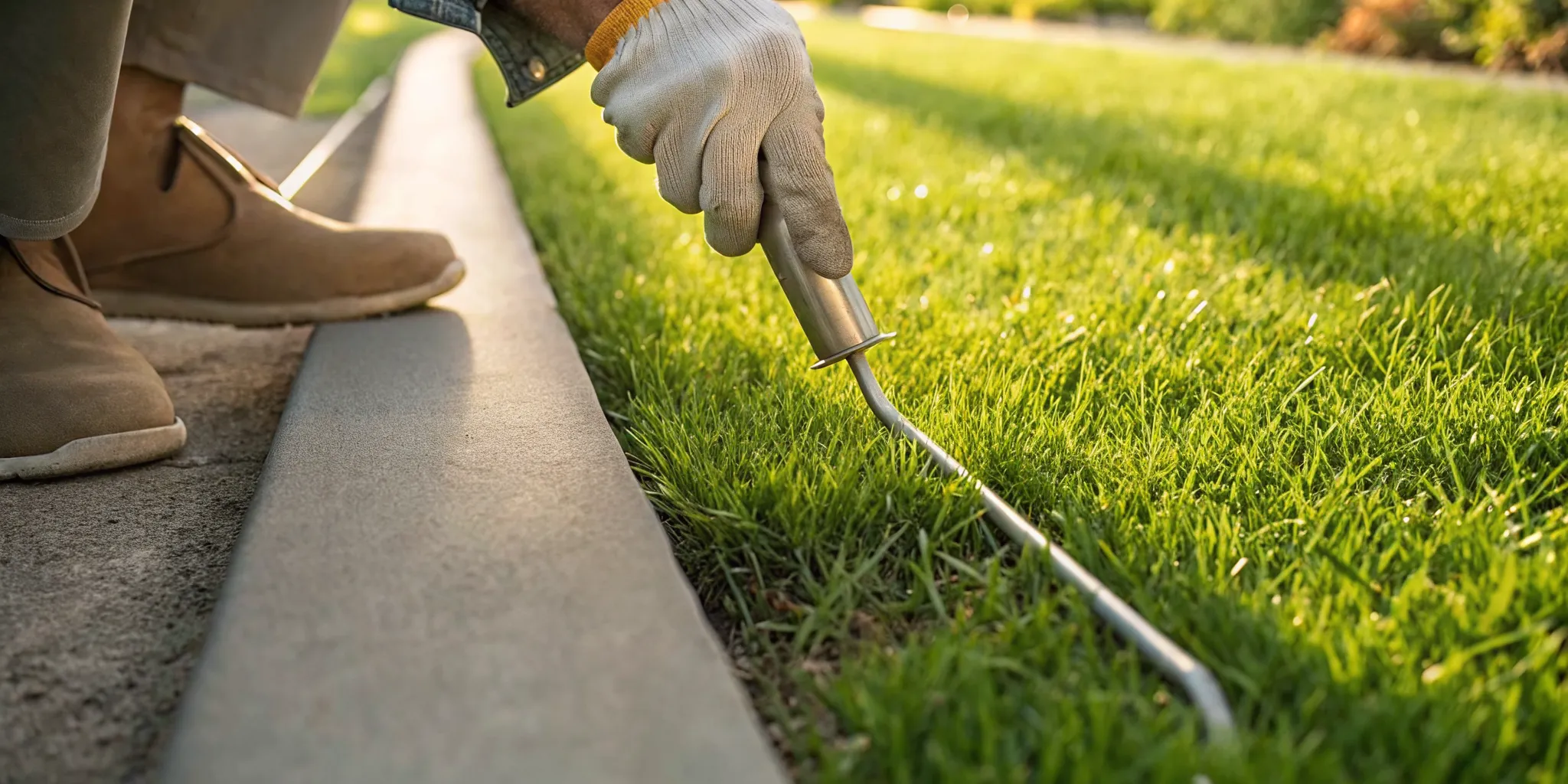
To get a clear picture of your soil, a pro will take many small samples from your yard. They use a tool to pull out 10 to 12 thin cores of dirt from many spots. This ensures the test shows the state of the whole lawn instead of just one spot. Each sample is taken at a depth of 3 to 5 inches. This depth is key because it is where the grass roots live and grow.
Picking samples in a random way is key to getting the right facts. If the samples are not taken from across the whole yard, the facts may be wrong. Experts at Penn State Extension say that taking samples at a steady depth is a must for the best results. Once the cores are gathered, they are mixed together and sent to a lab. This gives a full view of your lawn’s health that a single scoop of dirt could never provide.
Lab results versus DIY kits
While DIY kits are cheap and fast, they often lack the detail needed for a truly healthy lawn. A lab-based soil analysis for lawn care looks at many parts of the soil. It measures the feel of the soil and the amount of natural matter it holds. It also checks the pH level, which tells you if the soil is too sour for grass to grow. The University of Minnesota Extension says a lab test is the best way to find out which nutrients your soil needs.
A pro test also checks for the three big nutrients: nitrogen, phosphorus, and potassium. Most kits only give a rough idea of these levels. A lab gives exact facts that allow for a custom plan. This means you only put down the food your lawn can use. This saves you money and helps the earth by stopping the use of too many chemicals. With these facts, your lawn team can choose the best products to build strong soil and a lush yard.
Professional lab soil analysis vs. DIY test kits
While DIY kits can give a quick look at your dirt, ExperiGreen relies on professional laboratory testing to ensure complete precision. Home kits often miss small details that make a big change in how your grass grows.
Why lab results win on precision
A lab test uses high-tech tools to find what your yard needs. It checks for many items that DIY kits might miss. Labs look at the amount of nitrogen, phosphorus, and potassium. These are the three main parts of healthy grass.
Labs also look at pH levels and organic matter. This helps you know how to fix your yard without guessing. A soil analysis for your lawn done in a lab is the best way to see what your yard needs.
Labs also find things like lead or too much salt. These can hurt your plants or even your family. DIY kits rarely check for these risks. Knowing about these hidden issues helps you keep your yard safe and green.
Lab tests take the guesswork out of yard care. They give you a clear map to follow for a better lawn. These tests give you the facts you need to make the best choice for your grass.
The limits of home testing
DIY kits are easy to buy at the store. They use color strips to show results. But these strips can be hard to read. Small mistakes in how you take the dirt can lead to wrong results.
If you get the wrong info, you might buy the wrong plant food. This can lead to waste or even harm your yard. Too much plant food can hurt the soil and water near your home.
Home kits also do not give you a plan. They tell you a number but not how to fix it. You still have to guess which bag of food to buy. This can cost more in the long run.
You might spend money on things your yard does not need. Lab results save you cash by telling you exactly what to buy. They help you save time and keep your yard healthy.
| Feature | DIY Test Kits | Professional Lab Analysis |
|---|---|---|
| Accuracy. | Low to medium. | Very high. |
| Mineral Range. | Only basic items. | Full list of minerals. |
| pH Check. | Rough guess. | Exact number. |
| Expert Tips. | None. | Custom plan included. |
| Time Saved. | None. | High (pro does the work). |
Making the right choice for your yard
Picking the right test depends on your goals. A simple kit might work for a small spot. But if you want a lush, green yard all year, go with a pro. Our professional lawn care services take the doubt out of yard work.
We collect the dirt for you and send it to a top lab. We then use those facts to build a custom plan for your grass. Pro tests should be done every three to five years.
This keeps your yard on the right track. It also helps you make smart choices about how to feed your lawn. When you know what is in your dirt, you can grow a better yard with less work.
How professional soil analysis improves your lawn results
A lush lawn starts with the ground beneath your feet. Many homeowners guess what their grass needs, but this often leads to wasted time and money. At ExperiGreen, our professional soil analysis removes the guesswork by analyzing the biological and chemical health of your specific soil. This test gives our technicians a clear picture of what is happening in the dirt so we can give your grass exactly what it needs to thrive.
Customized plans for better growth
Every lawn is different, and a standard fertilizer might not be right for yours. Soil analysis lawn tests find the exact levels of nitrogen, phosphorus, and potassium in your yard. These are the three main nutrients that plants need to grow strong and healthy. When we know these levels, we can build customized lawn care programs that feed your grass precisely what it lacks.
By using data from a lab, you avoid the risk of putting down too much of one nutrient. Over-feeding your lawn can lead to runoff that harms the local water supply and the environment. A lab test is the best way to find what your soil needs without causing these issues. This targeted approach ensures your lawn stays thick and green while protecting the world around it.
Balancing pH and soil health
Your soil pH level acts like a gatekeeper for nutrients. If the soil is too acidic or too alkaline, your grass cannot take in the food you provide even if it is there. Most grass types grow best when the pH level is between 6 and 7. If the level drops too low, growth can slow down or stop entirely. Expert testing finds these imbalances so we can apply the right soil amendments to fix them.
Our pros use these results to improve the physical state of your yard. We look at organic matter and soil texture to see how well the dirt holds water and air. To help this process, we use natural products like sea plant extracts and beneficial bacteria. These tools help build the soil naturally over time. This creates a hardy root system that can better handle heat, drought, and pests throughout the year.
Saving time and money
Investing in a soil test now can save you a lot of cash later. It prevents you from buying bags of fertilizer or lime that your lawn does not actually need. Following the recommendations from a soil test helps you get the best results for every dollar you spend. You will see a better return on your lawn care work when you use the right materials at the right time.
Expert testing also helps find problems before they kill your grass. We look for high salt levels or other traits that might hurt plant health. Fixing these issues early means you won’t have to spend more on new sod or seed later. Getting professional lawn care services ensures that your yard gets the deep care it needs to stay beautiful for years to come.
Key soil health indicators measured in a professional laboratory
A pro lab gives you a deep look into your lawn. While DIY kits give quick answers, ExperiGreen utilizes professional lab testing to find exactly what your grass needs to grow thick and green. Using an advanced laboratory is the best way to find the true state of your soil and plan for the future. Experts use high-end tools to check for traits that affect how well your grass takes in food and water.
These tests give a clear snapshot of current nutrient levels in the ground. This data helps you make smart choices about how much food or lime to add. It stops you from wasting money on products your lawn does not need. It also keeps the land safe by stopping the over-use of chemicals that can run off into the water. By looking at the following markers, a lab helps build a plan just for your yard.

Primary nutrients for growth
The lab first looks for the three main things plants need to live. These are nitrogen, phosphorus, and potassium. Nitrogen helps the blades grow tall and stay green. Phosphorus is key for strong roots and new seed growth. Potassium helps the grass fight off stress from heat, cold, and pests. A lab can see if these levels are too low or if you have a build-up that could harm the soil.
Acidity and soil traits
The test also measures the pH level of your dirt. Most grass grows best when the pH is between 6.0 and 7.0. If the soil is too acidic, the grass cannot use the food you give it. The lab also checks for organic matter and soil texture. This tells you how well the ground holds onto water and air. Knowing these facts helps you pick the right soil amendment and testing services for your specific site.
- Checking pH levels: The lab finds out how acidic or alkaline your soil is. This score is key because it controls how well roots can take in nutrients. If the score is off, even the best fertilizer will not work well.
- Checking macronutrients: Experts check the levels of nitrogen, phosphorus, and potassium that drive plant health. The lab report tells you the exact amount of each to add for the best results.
- Finding secondary nutrients: The test looks for calcium, magnesium, and sulfur to check for cell wall strength and energy use. A lack of these can make grass look pale and weak.
- Finding micronutrients: A pro test checks for tiny amounts of iron, zinc, and copper that are key for making food through the sun. A lab can find these small gaps that DIY kits usually miss.
- Finding organic matter: This tells you how much decayed plant material is in the soil. High organic matter helps the dirt hold more water and nutrients while supporting good bugs in the ground.
- Spotting salts and metals: High salt levels can dry out roots and stop growth, so labs check for things like lead or extra salts in the dirt. This makes sure your yard is safe for your kids and pets to play on.
Getting these numbers right is the first step to a great lawn. A pro lab gives you a full guide to help your grass thrive. This saves you time and stops you from doing work that might fail. With the right data, you can build a lush, green yard that stays healthy all year long.
How often should you perform a soil analysis on your lawn?
Most lawns need a soil analysis every two to three years, which is why ExperiGreen builds regular diagnostic testing into our long-term turf care strategies. This frequency lets you track changes in your soil health as you add fertilizer and other amendments. If you notice your grass is thin or turning yellow, you may need to test it more often. Regular tests help you avoid over-feeding your lawn. This protects both your grass and the local water supply from too much waste.
Best test timing
For a healthy lawn, a soil analysis lawn test every three to five years is a good rule to follow. This timeline helps you see if your current care plan is working well. If you are starting a new yard or seeing slow growth, testing every two years is a better choice. Testing often gives you a snapshot of your soil nutrient levels so you can make smart choices about what to add.
At ExperiGreen, we use professional soil analysis for lawn care to build better yards. These tests find exactly what your grass lacks, like nitrogen or potassium. By knowing what is in your dirt, you save money on products you do not need. It also keeps your yard green and strong through every season.
The best time of year to test
Fall is the best time for a soil test. Results come back before the busy spring rush, which gives you time to plan. You can apply lime or other slow-acting feeds in the late fall so they work over the winter. This work leads to a faster green-up when the weather warms. If you miss the fall, early spring is your next best window.
Wait for the ground to dry out before you take your samples. Very wet soil can be hard to mix and might lead to wrong lab results. Also, do not test right after you have added food to the grass. If you just fed your lawn, wait at least six to eight weeks before you test again. This delay ensures the lab sees the natural state of your soil.
Regional tips for lawn care
In the Midwest, your window for testing is short. You must pull samples before the ground freezes in the late fall. Most experts suggest testing in September or October. This allows you to fix low pH levels before the snow falls. If you wait for spring, wait until the frost is gone and the soil is easy to dig.
In the Southeast, the window is much wider. You can test your soil almost any time of year because the ground rarely freezes. However, fall is still best for cool-season grass like fescue. For warm-season grass like Bermuda, testing in the spring helps you prep for the fast growth of summer. Following a set schedule helps our custom lawn care programs work well for your local area.
Don’t guess what your grass needs. Get a FREE Quote from ExperiGreen and start your custom lawn care program today!
Frequently Asked Questions
How many soil samples are needed for an accurate test?
To get the best results, you should collect ten to twelve core samples from different spots in your yard. Using a trowel or shovel, pull small amounts of dirt from about three to five inches deep. Mixing these samples together gives the lab a fair view of your entire lawn. This process prevents one small spot from changing your final results. According to experts, collecting soil from various places is key for accuracy.
How long do professional soil test results take?
You can usually expect to get your lab results back in about one to two weeks. This time allows the lab to dry, grind, and test your soil samples for various minerals and pH levels. Once the test’s done, a pro will review the data to build your custom care plan. Getting these facts early helps you prepare for the next growing season. At ExperiGreen, we’ll use these results to give your grass the exact nutrients it needs to thrive.
What is the makeup of healthy lawn soil?
Healthy soil is more than just dirt. For your grass to thrive, the ground should be about 50 percent solid matter and 50 percent air and water by volume. This balance allows roots to breathe and absorb food easily. If the soil’s too hard, air and water can’t reach the roots, which leads to weak growth. According to Sunday, this mix is vital for a strong and green yard.
How deep should you dig for a lawn soil sample?
Taking samples at a set depth ensures your test results are right. For most lawns, you should dig down about three to five inches to reach the root zone. If you only take dirt from the surface, you’ll miss important data about the minerals your roots actually use. According to Penn State Extension, samples must be taken at a set depth to be useful. This accuracy helps us choose the right fertilizer for your specific yard.
Ready to improve your lawn with a professional soil test?
If you do not test your soil now, you will keep wasting money on lawn products that do not work for your unique soil type. Poor soil health causes thin grass and bare spots that only get worse and cost more to fix if you wait too long to act. Starting a professional soil test today helps your lawn get the right nutrients it needs to grow thick, green, and healthy through every single season.
Ready to get a free instant quote? Call (561) 245-0015 to talk to a lawn care expert, get a free instant quote. And start your plan for a much better and greener lawn for your local home right now today.
ExperiGreen serves homeowners in Chicago, Charlotte, Canton/Akron, Cincinnati, Columbus, Detroit, Indianapolis, South Bend, and more.
- Chicago: https://experigreen.com/locations/illinois/chicago/
- Charlotte: https://experigreen.com/locations/north-carolina/charlotte/
- Canton/Akron: https://experigreen.com/locations/ohio/canton-akron/
- Cincinnati: https://experigreen.com/locations/ohio/cincinnati/
- Columbus: https://experigreen.com/locations/ohio/columbus/
- Detroit: https://experigreen.com/locations/michigan/detroit/
- Indianapolis: https://experigreen.com/locations/indiana/indianapolis/
- South Bend: https://experigreen.com/locations/indiana/south-bend/